Sigma Welded Aluminum Joints in Architectural Fenestration: Technical Specifications, Structural Integrity & Global Procurement Guide
An exhaustive technical evaluation of Shielded Inert Gas Metal Arc (Sigma) welded aluminum joinery for 6063-T6 architectural fenestration systems. Built for structural engineers, global procurement managers, facade consultants, and master builders seeking maximum structural rigidity, zero water bypass, and 50-year maintenance-free lifecycle ROI.
Understanding Sigma Welded Aluminum Joints in Structural Architectural Applications
In modern architectural engineering and high-performance commercial fenestration, the corner joint is the single critical point of failure for frame deflection, air leakage, and water infiltration. Global procurement specifications frequently face a fundamental choice between mechanical miter joinery (screws, corner keys, crimping, and topical sealants) and permanent structural fusion via Sigma Welded Aluminum Joints.
Sigma welding—derived from Shielded Inert Gas Metal Arc welding—is a precision arc-welding process engineered specifically for heat-treatable aluminum alloys like 6063-T6. Unlike standard field welding or manual oxy-fuel techniques, Sigma welding employs a concentrated electrical arc under a controlled shielding envelope of inert gases (high-purity argon or helium-argon mixtures). This prevents oxidation of the molten aluminum pool, ensuring continuous, pore-free metallurgical fusion across the full cross-sectional profile of the aluminum extrusion.
Structural Insight: Why Mechanical Fasteners Fail Over Time
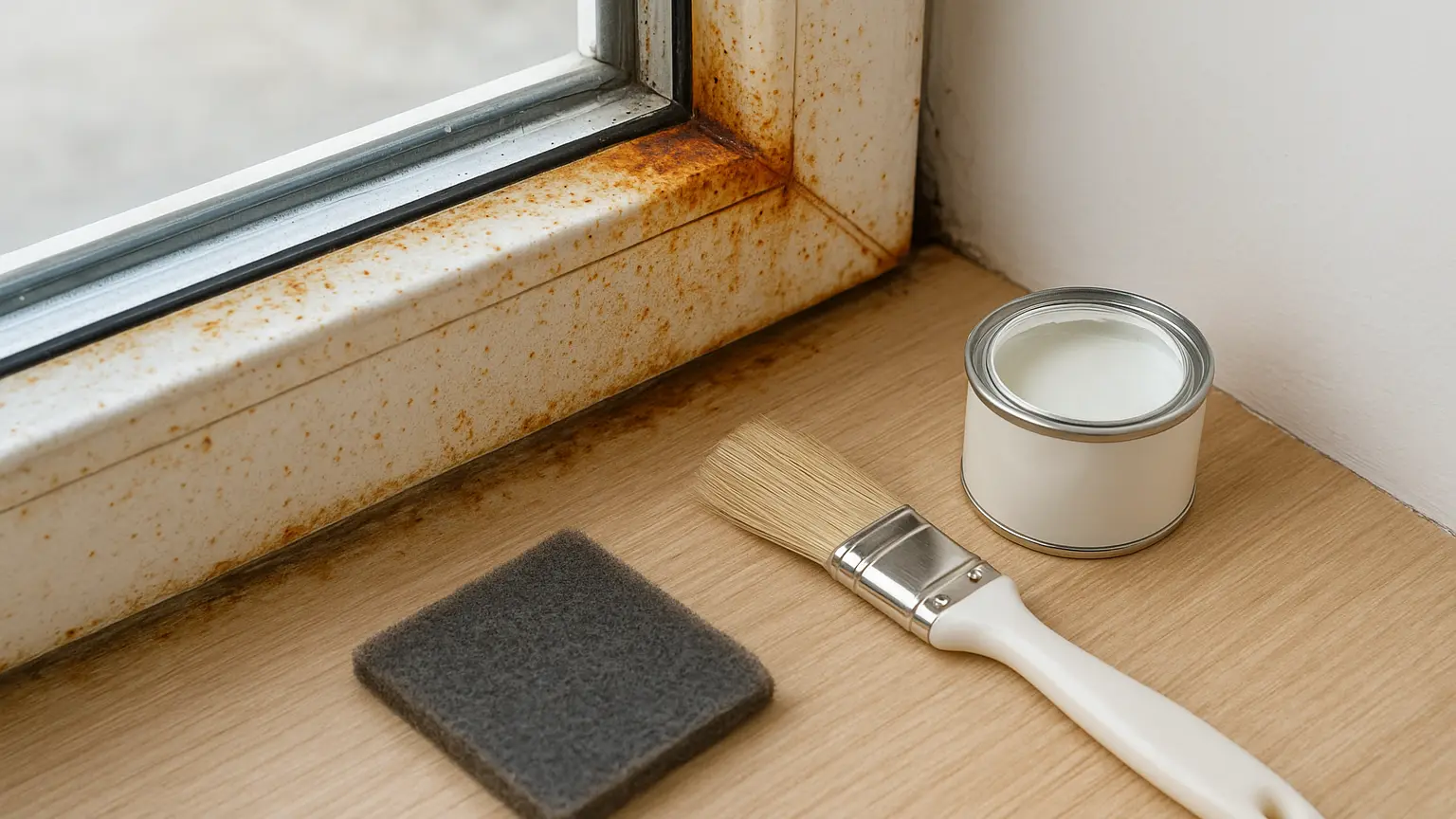
Mechanically joined aluminum corners rely on elastomeric gaskets, butyl sealants, and stainless steel fasteners holding aluminum corner keys. As ambient temperatures fluctuate, the differential thermal expansion coefficients between steel screws and aluminum profiles create microscopic movement. Over 5 to 10 years, dynamic wind loads cause mechanical holes to elongate, sealants to crack, and frames to rack—leading directly to water leaks and operating jams. Sigma welded joints eliminate mechanical play entirely, converting separate extrusions into a single monolithic structural frame.
At The Metal Window, located in Southern California and manufacturing custom metal fenestration since 1962, every window and door member is precision-mitred, held in pneumatic alignment fixtures, and Sigma-welded at every corner and internal muntin intersection. The weld bead is subsequently dressed and hand-finished smooth before surface treatment, ensuring a seamless aesthetic profile alongside uncompromised structural yield strength.
Key Mechanical Advantages of 6063-T6 Sigma Welded Extrusions
Continuous Shear Load Transfer: Wind loads applied to large insulated glass units (IGUs) are uniformly distributed across the welded perimeter rather than concentrated on localized screw threads.
Permanent Watertight Barrier: Eliminates internal frame corner joints where water can bypass primary glazing gaskets.
Zero Frame Racking: Maintains strict squareness during shipping, crane hoisting, and heavy seismic motion.
Enhanced Finish Longevity: High-grade powder coating and anodizing form an uninterrupted protective shell over the smoothed weld seam, preventing coastal salt-spray creep behind mechanically joined faces.
Engineered Fenestration Systems
Product Recommendations: Sigma Welded Fenestration for Global Projects
Designed for luxury residential elevations, high-traffic commercial facilities, and harsh coastal environments, our product range harnesses Sigma welded 6063-T6 extrusions for maximum structural longevity.
Custom Architectural Windows (Casement, Fixed, Awning)
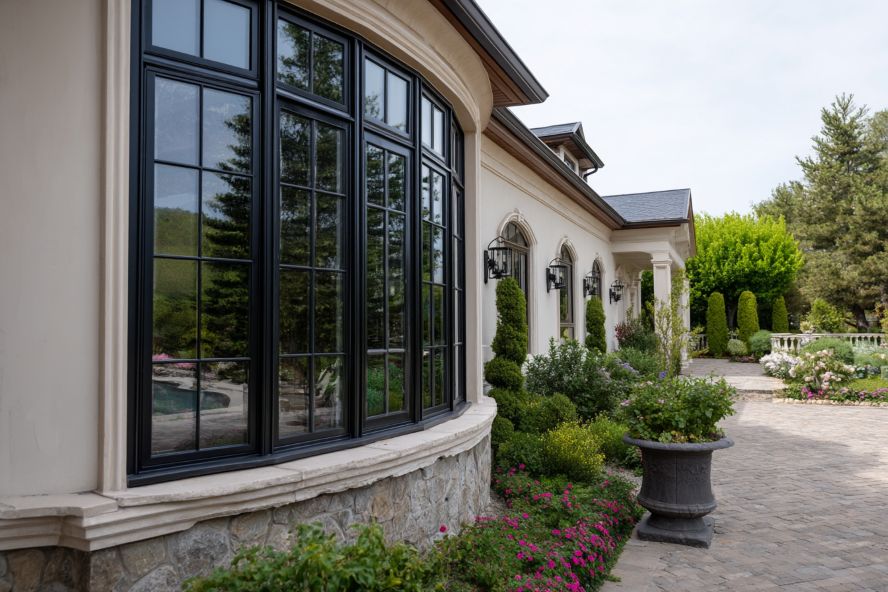
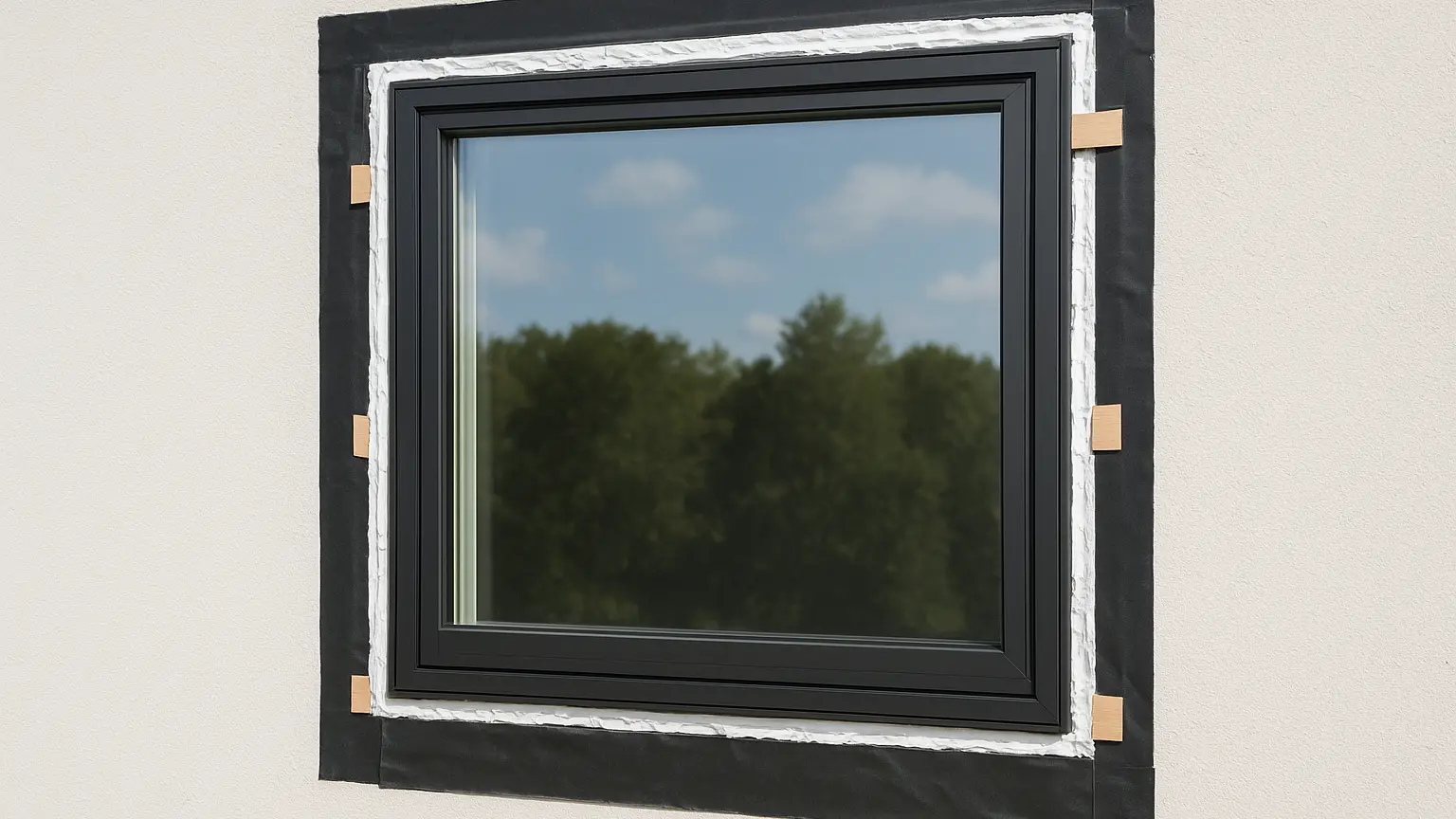
Built unit-by-unit to architect elevations, these windows utilize heavy-wall 6063-T6 aluminum extrusions joined via continuous Sigma welding. Features ultra-narrow sightlines, multi-point locking gear, and high-performance weather stripping.
100% Sigma-welded corner joints dressed smooth for seamless paint adhesion
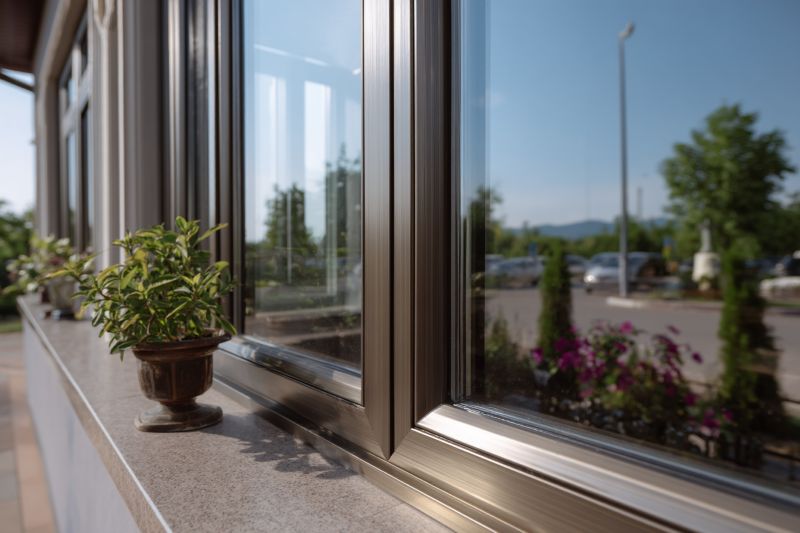
Available with high-efficiency thermally broken aluminum extrusions
Engineered to accommodate up to 1.25" heavy insulated or acoustic laminated glass
Ideal for coastal bluffs requiring resistance to C5-M corrosive atmospheric zones
Sliding and swinging doors experience severe dynamic cycles and heavy structural loads. Mechanical corner joints routinely sag under heavy glass weights. Our Sigma welded door panels and outer frames maintain permanent structural rigidity under continuous commercial operation.
Monolithic welded panel construction prevents door leaf sagging over time
Custom stainless steel tandem rollers rated for heavy, oversized glass panels
Flush low-profile threshold options engineered with integrated drainage channels
Fully customizable muntin layouts and steel-look narrow sightlines
Advanced thermal barrier technology combined with structural welded corners for extreme heating and cooling climates, lowering overall building energy load.
Heavy-duty screen frames in flat and long-leg profiles utilizing 16x18 charcoal fiberglass mesh and secure vinyl splines for tool-free cleaning and maintenance.
Quantitative analysis comparing Sigma Welded Aluminum Joints against conventional mechanical fasteners and structural adhesive crimp systems across critical engineering parameters.
Performance Metric
Sigma Welded Joints (The Metal Window)
Mechanical Screw & Corner Key Joints
Crimped Corner with Structural Adhesive
Corner Shear Strength (PSI)
38,000 – 42,000 PSI (Full Monolithic Fusion)
14,000 – 18,000 PSI (Point-loaded at screw threads)
Requires expensive custom crimping dies per profile
Technical Synthesis: Why Global Procurement Directors Spec Sigma Welding
When evaluating structural fenestration for major international projects, procurement teams must look beyond initial fabrication costs. Mechanically fastened systems present lower initial manufacturing complexity, but introduce significant long-term liability. The combination of thermal movement, wind-induced flexure, and seal breakdown inevitably results in air and water ingress—leading to expensive structural remediation and tenant claims.
By specifying Sigma Welded Aluminum Joints, architects and institutional developers lock in structural performance that matches the life of the building shell. The metallurgical bond creates a continuous load path, ensuring that wind pressures acting on large glass units are transferred directly into surrounding rough openings without inducing stress concentration points in the frame profile.
Global Market Dynamics
Future Procurement Trends in Architectural Fenestration
Key technological, regulatory, and sustainability shifts driving B2B purchasing decisions for commercial and residential aluminum fenestration worldwide.
1. Decarbonization and Circular Aluminum Sourcing
Global building codes and LEED v4.1 standards are increasingly demanding low-embodied-carbon building materials. B2B procurement managers are moving away from petroleum-based vinyl (PVC) frames and timber products that contribute to deforestation.
Aluminum extruded from 6063-T6 alloy is infinitely recyclable without structural degradation. At The Metal Window, our raw billet supply contains high percentages of post-industrial recycled aluminum, and our manufacturing process cuts zero timber and uses zero synthetic frame fillers—making welded aluminum the premier low-lifecycle-impact fenestration material.
2. Resilience Against Extreme Climate Events & Seismic Motion
With increasing frequency of extreme windstorms, atmospheric rivers, and coastal hurricanes, structural fenestration standards (such as ASTM E330 and High-Velocity Hurricane Zone requirements) are being revised upwards. Mechanically fastened frames fail when extreme negative wind load pressure pulls joint screws through thin aluminum extrusions.
Sigma welded corners provide dynamic moment resistance, holding large insulated glass units securely in place during high wind events and seismic building displacement.
3. Transition from Off-the-Shelf Stock to 100% Custom Fabrication
Modern architectural elevations prioritize unique structural geometry, narrow sightlines, steel-look historic replication, and non-standard rough opening sizes. Stock window importers cannot satisfy custom architectural intent without site cutting and compromising corner seals.
The global procurement market is rapidly adopting direct-from-manufacturer model where units are custom-engineered from architect BIM drawings, pre-welded in factory conditions, and shipped ready for immediate insertion.
Optimize Your Project Procurement
Speak directly with our engineering team to review your drawings, structural wind load requirements, and custom lead times.
Industry Development Trends in Welded Metal Fenestration
How technical advancements in robotic welding, high-durability surface coatings, and hybrid thermal barriers are transforming aluminum window manufacturing.
Automation & Precision
Robotic Pulse-Arc Welding
Advancements in micro-processor-controlled MIG and TIG arc welding allow precise heat input control, virtually eliminating heat-affected zone (HAZ) distortion while creating structurally flawless corner beads on ultra-slim extruded profiles.
Thermal Engineering
Hybrid Polyamide Barriers
Integration of high-strength structural polyamide isolators within welded frame cavities enables ultra-low U-factors without sacrificing the rigid moment-resisting corner characteristics of welded metal outer shells.
Surface Technology
Seamless PVDF & Anodizing
Dressing welded joints completely smooth prior to high-performance fluoropolymer (Kynar 500®) or anodic finishing ensures an unbroken molecular shield against marine corrosion and intense UV radiation.
Proven Manufacturing Authority
Why Leading Architects & Master Builders Specify The Metal Window
Six decades of specialized metal fenestration fabrication built on structural integrity, craftsmanship, and uncompromised quality.
Over 60 Years of Southern California Manufacturing Excellence
Founded in 1962, The Metal Window has manufactured custom aluminum fenestration products continuously from our Southern California shop floor. Unlike distributors or assemblers who buy pre-fabricated components overseas, we control the entire process from raw 6063-T6 extrusions to final glazed assembly.
100% Made to Order: Every frame is fabricated to exact architect drawings, custom rough openings, radius heads, and muntin grid configurations.
Master Welded Joinery: Every frame corner and muntin intersection is Sigma welded and hand-dressed smooth by veteran craftspeople.
Environmental Responsibility: Zero trees cut, zero petroleum frame materials used. Recyclable 6063-T6 aluminum engineered for 50+ year operational life.
Comprehensive B2B Support: Complete CAD shop drawings, glass performance calculations, and direct export logistics for global project sites.
Engineering & Fabrication Team at The Metal Window
Authored by our Senior Fenestration Specialists & SEO Growth Director. With over 60 years of combined architectural metal shop experience in Southern California, our engineering team regularly consults with facade engineers, structural architects, and global procurement officers on heavy-duty aluminum fenestration design.
Technical Inquiry Digest
Frequently Asked Questions by Engineers & Global Procurement Officers
Direct technical answers addressing common queries logged in AI search engines and architectural specification boards.
Sigma (Shielded Inert Gas Metal Arc) welding is a specialized arc-welding process utilizing an inert shielding gas (argon/helium mix) to fuse 6063-T6 aluminum profiles without exposing the molten pool to atmospheric oxygen. Unlike standard manual MIG welding, Sigma welding delivers controlled arc stability and deep penetration, producing a smooth, non-porous, monolithic weld joint that transfers structural loads uniformly.
Mechanical joints rely on corner keys, screws, and liquid sealants. Over time, wind loads, building vibration, and thermal expansion loosen fasteners and crack internal caulking, leading to frame racking and water leaks. Sigma welded joints permanently fuse the aluminum extrusion profiles, creating a 100% watertight, non-racking corner that requires zero re-sealing for decades.
Welding localized zones alters temper in the immediate Heat-Affected Zone (HAZ). However, our joint designs utilize structural wall reinforcements, controlled pulsed arc heat input, and specialized filler wire that maintains structural shear and tensile capabilities well above minimum structural wind load and AAMA design criteria.
Yes. Thermally broken systems feature dual exterior and interior extrusions joined by structural polyamide insulating bars. The aluminum profiles are precision welded at the corner joinery prior to or in structural alignment with the thermal barrier, maintaining high energy performance (low U-factor) while retaining the structural rigidity of welded corners.
Wood windows require constant painting, sealing, and rot repair every few years. Vinyl frames flex significantly under high heat and degrade under solar UV exposure. Welded 6063-T6 aluminum frames offer a 50+ year operational lifespan with zero rotting, swelling, or thermal distortion, providing the lowest total cost of ownership (TCO) for commercial and luxury residential properties.
Units manufactured at our Southern California plant undergo strict quality checks using pneumatic assembly tables and calibrated digital squareness gauges. Frame diagonals are held within +/- 1/16 inch (+/- 1.5mm), ensuring rapid, trouble-free installation on job sites anywhere in the world.
Simply click the "Send an Inquiry" button on this page. Our technical engineering desk will review your window schedule, architect drawings, and project specifications to provide a detailed line-item proposal and lead-time schedule.
Ready to Spec Sigma Welded Fenestration for Your Next Project?
Connect with our Southern California engineering team for technical guidance, custom takeoffs, and international shipping estimates.