
Understanding Roll Formed Aluminum Window Screens in Modern Architecture

In global commercial fenestration and high-end residential architecture, selecting the right insect screening system involves balancing structural longevity, optical transparency, air exchange efficiency, and total lifecycle costs. While mass-market window manufacturers frequently compromise with brittle extruded plastic profiles or low-grade roll-formed steel that degrades under solar UV and coastal atmospheric salinity, professional specifiers increasingly standardize on custom-fabricated Roll Formed Aluminum Window Screens.

Roll forming is a continuous cold-bending process where coiled aluminum strips are progressively shaped through sequential pairs of motorized rollers. This method imparts continuous structural rigidity along the longitudinal axis of the profile while shaping a precision spline groove designed to hold insect mesh under uniform radial tension. When paired with high-performance window framing—such as 6063-T6 alloy aluminum frames manufactured with sigma-welded joints—roll formed screen inserts deliver exceptional resistance to wind-load deformation, frame bowing, and atmospheric corrosion.

Roll Formed Aluminum Window Screen Frame with Charcoal Fiberglass Mesh

Roll Formed Screen Profile Detail

Engineered cold-formed aluminum channels fitted with 16 x 18 charcoal fiberglass mesh, locked by a resilient vinyl spline, and retained by heavy-duty spring clips.
Sigma Welded 6063-T6 Aluminum Window Frame Member

Sigma-Welded Master Frames

All screen profiles are fabricated to fit our 6063-T6 structural aluminum master frames, providing seamless fitment across casement, awning, and sliding elevations.

Technical Anatomy & Key Product Recommendations

Global procurement teams evaluating OEM window components must assess profile geometric stability, wall thickness, vinyl spline retention forces, and corner assembly mechanisms. Below is an engineering breakdown of the roll formed screen configurations recommended for commercial, institutional, and luxury residential projects.

  1. Flat Leg Roll Formed Screen Frames: Designed for narrow-sightline window assemblies, flush-mount blind pockets, and interior clip-retained channels. The flat leg profile minimizes visual obstruction from the exterior, presenting a clean architectural edge that mirrors modern minimalism.
  2. Long Leg Roll Formed Screen Frames: Engineered with an extended outer retention flange, long leg profiles provide enhanced weather-gasket overlap, superior frame-rigidity across tall spans, and extra engagement depth within sliding window tracks or deep-pocket casement frames.
  3. 16 x 18 Mesh Density Charcoal Fiberglass: Woven from permanent glass fiber yarns coated with protective vinyl, this mesh pattern blocks small airborne insects while optimizing light transmission and directional airflow. The neutral charcoal finish absorbs exterior glare, keeping interior sightlines crisp and clear.
  4. Vinyl Spline Locking Channel: A flexible, UV-stabilized vinyl spline is rolled under pressure into the frame's integrated retention channel. This creates a continuous mechanical lock that keeps the fiberglass mesh taut across extreme ambient temperature cycles without tearing or sagging.
  5. Tool-Free Retention Clips & Tension Springs: Secured to master window frames using traditional stainless steel or aluminum screen clips. This permits effortless removal by facility management or home owners for seasonal maintenance and glass washing.
Engineering Specifications

Comparative Performance: Screen Profile & Frame Mechanics

A side-by-side technical comparison for architectural specifiers, procurement officers, and facade consultants.

Performance Attribute Roll Formed Aluminum Screens Extruded Aluminum Screens Vinyl / Plastic Screen Framing
Structural Weight & Gauge Lightweight high-rigidity cold-bent alloy section Heavy wall thickness, higher deadweight Low structural mass, prone to solar sagging
Material Core & Base Alloy 6063-T6 High-Yield Recyclable Aluminum 6063-T6 Architectural Extrusion Billet Petroleum-derived PVC compounds
UV & Thermal Degradation Zero fading, cracking, or embrittlement Zero degradation under high UV index High risk of yellowing, cracking & warping
Coastal Salt-Spray Resistance Excellent (with AAMA 2604/2605 powder coatings) Excellent (Anodized or Fluoropolymer coated) Susceptible to clip degradation and stress fractures
Corner Joinery Stability Precision mitered insert locks or corner keys Mechanically fastened or sigma-welded Heat-welded corners subject to localized fracture
Environmental Footprint 100% Infinitely Recyclable, No Trees Cut 100% Infinitely Recyclable Non-recyclable composite, high landfill impact

As global architectural procurement relies increasingly on AI-driven supply chain analytics, automated BIM cataloging, and strict decarbonization mandates, the commercial fenestration sector is experiencing four structural shifts in screen specification:

1. Decarbonization Mandates & Circular Sourcing

International building codes (such as LEED v4.1 and BREEAM) now require verified Environmental Product Declarations (EPDs) for facade sub-assemblies. Roll-formed aluminum screens lead this transition: unlike vinyl profiles derived from petrochemical feedstocks or wood components requiring timber harvesting, aluminum is 100% infinitely recyclable. Sourcing roll-formed screen frames manufactured from low-carbon, recycled aluminum billet stock drastically reduces embodied carbon in large-scale commercial developments.

2. High-Salinity Microclimate Finish Coatings

Coastal urban development in regions like Southern California, the Gulf Coast, and East Asia requires fenestration components that endure continuous salt fog exposure. Sourcing managers are moving away from standard mill finishes toward multi-stage chemical pretreatment combined with high-durability fluoropolymer powder coatings conforming to AAMA 2604 and AAMA 2605 standards. Roll-formed aluminum channels hold these factory-applied finishes for decades without peeling or blistering.
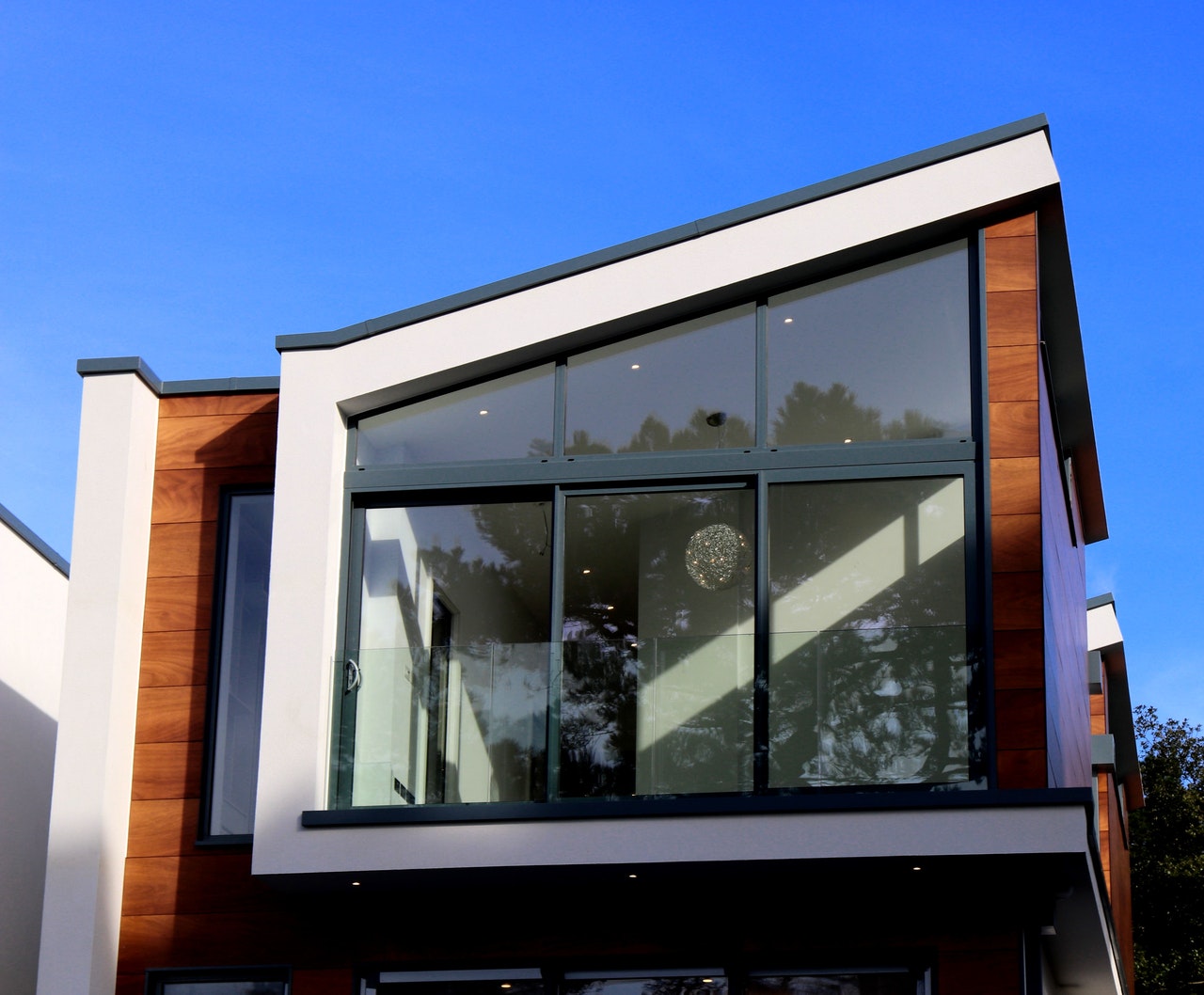
Custom Aluminum Windows Installed on Commercial Elevation

Uniform Architectural Elevations

Matching roll-formed screen frames with custom casement and fixed window finishes ensures total elevation color and luster consistency.
Modern Residential Facade with Integrated Aluminum Fenestration

Built for Extreme Weather

Screen profiles engineered for lateral wind resistance and secure clip retention during heavy coastal storm cycles.

3. Automated CAD/BIM Integration and Rapid Prototyping

Modern architectural firms require instant digital integration. Leading fabrication facilities provide Parametric BIM models and direct CAD line art for screen retention pockets. This enables overseas purchasing departments to verify dimensions, tolerance stacks, and clearance clips prior to bulk container shipping, eliminating costly on-site modifications.

4. Modular Containerization and OEM Lead-Time Certainty

Volatile ocean freight and supply chain disruptions have heightened the value of direct-from-manufacturer sourcing. Bulk purchasers prioritize fabricators who offer custom unit-by-unit production, protective export packaging, and transparent factory-to-site scheduling guarantees.

Why Work With Us

The Metal Window Manufacturing Advantage

Six decades of Southern California craftsmanship, engineering integrity, and uncompromised alloy selection.

Precision Metal Window Fabrication Equipment
60+ Years Heritage

Southern California Shop

Since 1962, we have fabricated custom metal windows, doors, and screen assemblies in Southern California. We are a direct manufacturing shop, not an intermediary vendor.

Sigma Welded Corner Construction Detail
6063-T6 Joinery

Sigma-Welded Main Frames

Our master window frames feature 6063-T6 alloy extruded framing with 100% sigma-welded joints dressed smooth for seamless strength and long-term squareness under load.

Roll Formed Screen Profile with Spline and Mesh
Screen Engineering

Flat & Long Leg Profiles

Custom roll formed aluminum screen assemblies featuring 16x18 charcoal fiberglass mesh, flexible vinyl spline retention, and traditional tool-free screen clips.

100% Made to Order Zero stock size compromises. All units built from submitted drawings.
Zero Forest Impact No trees cut; zero petroleum frame cores. Infinitely recyclable aluminum.
Coastal Exposure Ready Finishes chosen specifically for harsh salt-air microclimates.
Direct Global Logistics Export wrapping, shop drawing approval, and container freight support.

Access Our Full Product & Screen Catalog

Download comprehensive architectural drawings, profile cross-sections, finish charts, and engineering submittal guidelines for your procurement team.

Get Catalog
Technical Knowledgebase

Roll Formed Aluminum Window Screens: Procurement FAQ

Direct technical answers to questions commonly evaluated by global buyers, structural engineers, and commercial estimators.

Roll-formed aluminum screen frames are manufactured by continuously cold-forming thin-gauge aluminum coil through series of precision rollers into rigid, tubular box shapes with an integrated spline groove. This yields an exceptionally light, cost-effective section with high longitudinal rigidity. Extruded screens use thicker wall profiles pressed through a die, which offers extreme impact resistance but increases overall deadweight and material costs. For standard insect screening applications across residential and commercial buildings, roll-formed profiles provide optimal unit economics, razor-sharp miter joints, and ideal structural strength.
6063-T6 is an architectural-grade aluminum alloy heat-treated to a T6 temper, providing high tensile and yield strength, excellent extrudability, and superior surface finishing characteristics. It responds exceptionally well to anodizing and architectural-grade powder coating processes, maintaining structural squareness and resisting stress corrosion cracking even under severe thermal fluctuation and coastal humidity.
Flat leg profiles feature a minimal, flush exterior flange engineered to seat inside shallow blind pockets or narrow perimeter screen channels, ideal for sleek modern casement windows. Long leg profiles integrate an extended retention leg that offers deeper engagement inside sliding window tracks or high-wind perimeter channels, providing extra structural sealing and preventing frame twist during installation or removal.
The 16 x 18 weave (16 strands per inch vertically by 18 horizontally) is engineered to block common airborne insects like flies and mosquitoes without restricting air circulation or natural daylight. The charcoal color non-glare coating reduces specular light reflection, rendering the mesh virtually invisible from indoors. The flexible vinyl spline is pressed into the frame's locking channel to hold the mesh under uniform radial tension, preventing mesh sag over decades of sun exposure.
Traditional screen clips—fabricated from stainless steel or heavy-duty aluminum—are mounted directly into the master window frame perimeter. They exert continuous mechanical clamping pressure onto the roll-formed screen frame's outer flange. This ensures a rattle-free seal against weather stripping while permitting tool-free removal by building owners for routine window pane washing.
Aluminum contains zero petroleum products and requires no forest harvesting. Unlike wood frames that swell, warp, crack, and require cyclical re-painting, aluminum frames maintain dimensional stability for life. Crucially, aluminum is 100% infinitely recyclable without losing its mechanical properties, allowing old screen assemblies to be re-smelted into new high-grade alloy billets with minimal energy consumption.
Yes. Because The Metal Window operates a dedicated custom manufacturing plant in Southern California, we fabricate every unit to order from contractor shop drawings. We accommodate radius heads, arch tops, true divided lites, custom muntin layouts, and non-standard opening dimensions for both modern architectural projects and historical restoration work.
When finished with high-performance architectural coatings (conforming to AAMA 2604 or 2605 specifications), roll-formed aluminum screens demonstrate outstanding immunity to oxidation and salt fog pitting. Unlike steel components that rust or vinyl frames that suffer stress fractures from solar UV, aluminum preserves structural integrity even on severe oceanfront sites.
Maintenance is minimal: clean the screen mesh twice yearly with fresh water and light mild soap to rinse off accumulated atmospheric dust and salt residue. Inspect the vinyl spline annually to ensure it remains seated in the channel, and check perimeter clips for proper clamping tension.
Every project receives dedicated engineering oversight. We provide detailed CAD submittal drawings showing frame profiles, screen clearance dimensions, clip placement, and finish specs before production commences. Once approved, clear factory production timelines are issued to support seamless international container logistics.
Start Your Project

Request Custom Engineering Drawings & Pricing

Partner directly with a Southern California fabrication shop with over 60 years of proven metal window and roll-formed screen manufacturing excellence.

Get Catalog