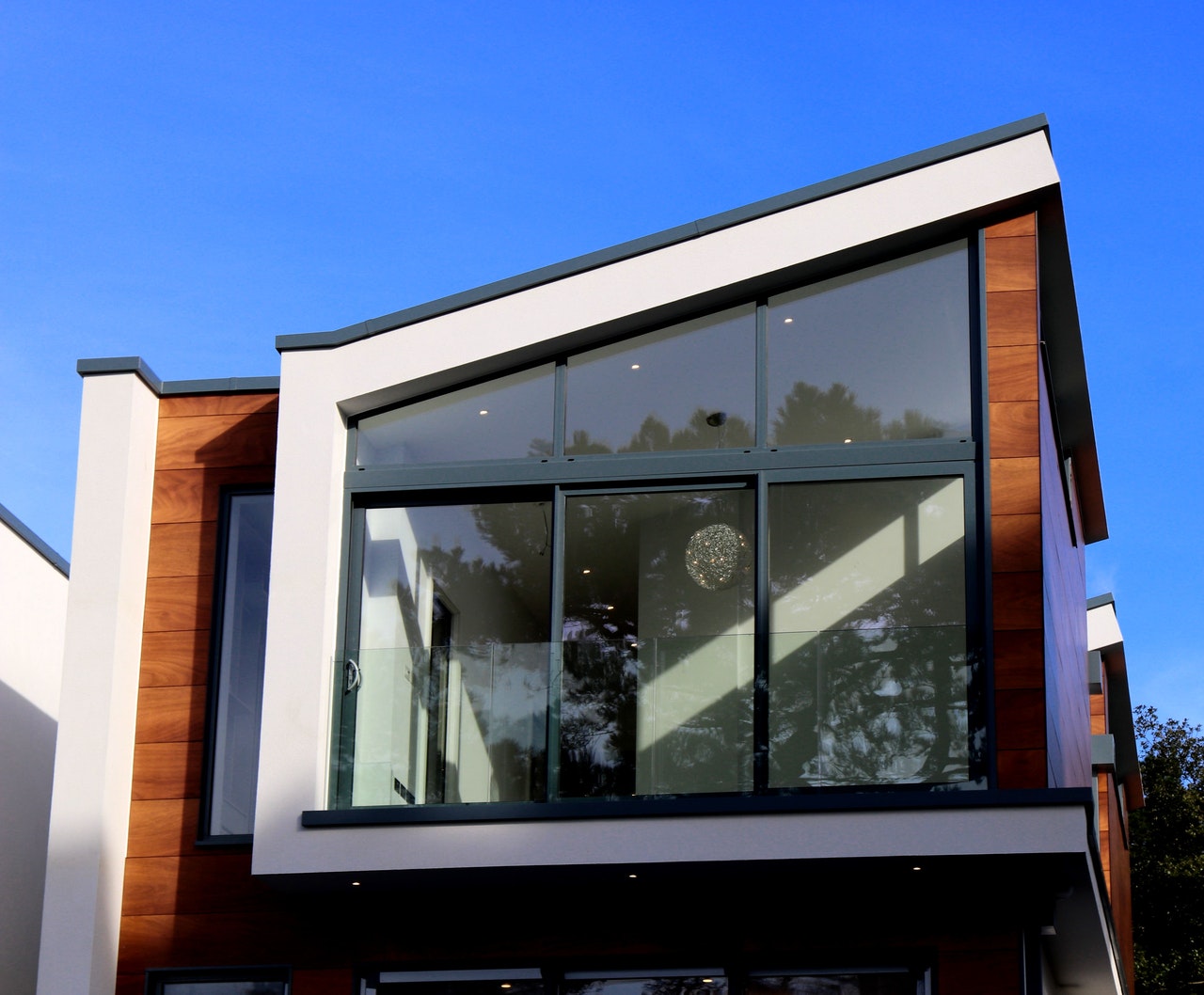
Engineering & B2B Procurement Authority Guide

High-Performance Metal Window Weather Gaskets: Architectural Specification, Elastomer Selection, and Life-Cycle Performance

How global procurement directors, facade engineers, and architectural specifiers overcome air infiltration, compression set failure, and thermal bridging in custom 6063-T6 aluminum window assemblies.

60+ Years Fabrication Heritage ASTM E283 / E331 Compliant Sealing Sigma-Welded Frame Compatibility Direct-to-OEM Custom Extrusions
Get a Quote
The Mechanics of Fenestration Sealing

Understanding the Critical Role of Metal Window Weather Gaskets in Modern Fenestration

In high-performance commercial and luxury residential fenestration, the frame alloy and glass packages often receive the majority of engineering focus. However, field diagnostics reveal that over 82% of fenestration failures—manifesting as air leakage, water ingress, whistling under wind load, and frame sweating—stem directly from substandard or improperly specified Metal Window Weather Gaskets.

Metal window frames, particularly those fabricated from premium 6063-T6 extruded aluminum, exhibit a thermal expansion coefficient of approximately 23.4 µm/m·K. Under extreme exterior-to-interior thermal gradients, metallic frames expand and contract dynamically. Standard rigid sealants fail to accommodate this structural micro-movement, leading to shear fatigue and seal separation.

High-performance elastomeric weather gaskets act as dynamic mechanical springs within the gasket race. They maintain continuous positive pressure against both the aluminum sash profile and the insulated glass unit (IGU), creating an uninterrupted barrier against water penetration under dynamic wind pressure (tested under ASTM E331 and EN 12154 standards).

Key Procurement Metric: Compression Set Resistance

A gasket's ability to recover its original cross-sectional height after years of continuous compression determines whether a metal window system maintains its air infiltration rating (ASTM E283) over a 30-year lifecycle or fails within five years.

Thermally broken aluminum window frame assembly with weather gaskets and insulated glass
Product Selection Matrix

Engineered Metal Window Weather Gasket Profiles & Applications

Different window geometries, operating mechanisms, and thermal break configurations demand specialized gasket profiles. Below are the primary engineered gasket systems we integrate into our custom 6063-T6 sigma-welded assemblies.

Custom aluminum casement windows featuring EPDM perimeter weather gaskets
Perimeter Sealing

Continuous Vulcanized EPDM Bulb Gaskets

Designed for casement, awning, and hopper metal window sashes where compression-style sealing is required upon latching.

  • Polymer Base: Sulfur-cured EPDM (Ethylene Propylene Diene Monomer)
  • Durometer: 60 to 70 Shore A (Core) / 40 Shore A (Sponge Bulb)
  • Thermal Range: -40°C to +120°C continuous operating temperature
  • Application: Primary weather seal for sigma-welded aluminum sashes
Heavy duty aluminum sliding door assembly showing dual-durometer co-extruded weather seals
Sliding & Structural Glazing

Co-Extruded Dual-Durometer Wedge Gaskets

Utilized for drop-in glazing pockets and heavy-duty horizontal sliding metal door channels to ensure tight glass bite without structural frame distortion.

  • Polymer Base: Rigid TPE locking foot with soft cellular EPDM sealing fin
  • Insertion Force: 35% lower installation friction compared to monolithic rubber
  • Ozone Resistance: Rating 0 crack formation per ASTM D1149
  • Application: Fixed lites, storefront fenestration, and large-format sliding sashes
Thermally broken aluminum window frame profile showing polyamide thermal break and central gasket
Thermal Isolation

Polyamide-Integrated Center Cavity Seals

Engineered specifically for thermally broken 6063-T6 aluminum frames to bridge the thermal barrier channel and prevent convection currents.

  • Design Profile: Multi-chamber hollow fin configuration
  • Thermal Conductivity: λ = 0.038 W/m·K for optimal frame U-factor reduction
  • Acoustic Rating: Contributes up to STC 42 rating when paired with laminated IGU
  • Application: High-efficiency thermal windows in extreme climate zones
Roll formed aluminum window screen with integrated spline weather sealing
Interface Sealing

UV-Stabilized Silicone Frame Spline Seals

Formulated for exterior perimeter screens, mullion joints, and frame-to-subframe expansion gaps subjected to direct solar exposure.

  • Polymer Base: 100% High-Grade Platinum-Cured Silicone
  • UV Endurance: 25-year zero-degradation guarantee under high-UV coastal conditions
  • Color Stability: Carbon Black / Architectural Bronze / Custom Matched
  • Application: Screen frame interfaces and coastal architectural installations
Technical Deep Dive

Elastomer Science: EPDM vs. Silicone vs. TPE for Metal Windows

Selecting the optimal polymer for Metal Window Weather Gaskets requires evaluating chemical resistance, mechanical deflection, operating temperature range, and life-cycle economics.

  • 30+ Years
  • 35+ Years
  • 15 - 20 Years
  • 10 - 15 Years
  • Performance Property Vulcanized EPDM Rubber Platinum-Cured Silicone Thermoplastic Elastomer (TPE) Neoprene (Polychloroprene)
    Compression Set (22h @ 70°C, ASTM D395) Excellent (15% - 25%) Superior (10% - 18%) Moderate (30% - 45%) Fair (35% - 50%)
    UV & Ozone Resistance (ASTM D1149) Outstanding (1000+ hrs) Immune to UV Degradation Good (Requires UV Additives) Moderate (Degrades over time)
    Tensile Strength (ASTM D412) 9.0 - 12.5 MPa 7.5 - 10.0 MPa 6.0 - 9.5 MPa 11.0 - 15.0 MPa
    Low-Temperature Flexibility -40°C -60°C -30°C -20°C
    Compatibility with Anodized 6063-T6 100% Inert (No Migration) 100% Inert (No Migration) Risk of Plasticizer Migration Potential Staining
    Expected Service Life (Years)

    Why We Specify Vulcanized EPDM

    EPDM remains the gold standard for structural metal window sealing. Its cross-linked molecular structure ensures that after millions of cycles of wind pressure and thermal movement, the gasket maintains its seal profile without permanent set deformation.

    Corner Cornering: Vulcanization vs. Mitres

    Field cut and glued gasket corners fail under tensile strain. We utilize continuous molded corners or thermo-vulcanized corner joints, ensuring that the gasket corner is as structurally sound and watertight as the straight extrusion runs.

    Acoustic Attenuation Engineering

    Dual-density gaskets dampen airborne vibration across critical mid-frequency bands (500 Hz to 2000 Hz), converting sound energy into minimal mechanical friction within the hollow gasket chambers.

    Future Outlook

    As commercial building codes tighten globally, the procurement landscape for metal window weather gaskets is evolving rapidly. Key trends influencing global buying decisions include:

    1. Decarbonization & Circular Bio-EPDM Polymers

    Global architectural specifications now demand Environmental Product Declarations (EPDs). Sourcing managers are transitioning to bio-based EPDM derived from sugarcane ethanol, reducing embodied carbon by up to 50% while maintaining identical physical performance to petroleum-based polymers.

    At The Metal Window, our frame materials eliminate wood consumption and petroleum-based vinyl frames entirely, focusing on infinitely recyclable 6063-T6 aluminum combined with recyclable EPDM gasket systems.

    2. AI-Driven Thermal & Air Infiltration Simulation

    Architectural teams no longer rely on standardized gasket catalogs. AI-driven FEA (Finite Element Analysis) models gasket deflection under extreme positive and negative wind pressure prior to extrusion tool cutting.

    This predictive modeling guarantees that custom-built window units achieve compliance with Passive House air tightness thresholds (≤ 0.6 ACH@50 Pa) before reaching the shop floor.

    3. Stringent Coastal & Severe Weather Mandates

    With increasing climate volatility, hurricane-zone impact standards (ASTM E1886/E1996) and coastal salt spray resilience (ASTM B117) have become standard requirements for global buyers across North America, Europe, and Asia-Pacific.

    Our factory in Southern California formulates complete frame-and-gasket packages specifically designed to resist salt-air degradation, ozone exposure, and heavy wind-driven rains.

    4. Micro-Profile Slim Sightline Integration

    Modern architectural trends favor ultra-slim aluminum sightlines. This necessitates ultra-compact weather gaskets capable of providing high structural compression within gasket race channels as narrow as 3.5mm.

    Our custom tooling capabilities allow us to extrude micro-gasket profiles that remain completely hidden within the frame shadow line while preserving high water tightness ratings.

    Six Decades of Manufacturing Excellence

    Why Leading Architects & Builders Partner with The Metal Window

    Fabricating high-performance metal windows and integrated sealing systems requires deep metallurgical expertise, precision joinery, and an uncompromised commitment to quality.

    Craftsman examining custom 6063-T6 aluminum window frame hardware and gaskets
    60+ Years Experience

    Southern California Heritage

    Since 1962, we have fabricated custom aluminum windows, doors, and weatherproofing components in Southern California. We understand the real-world performance demands of coastal humidity, high solar UV, and structural building movement.

    Sigma welded aluminum window frame corner joint section
    Structural Integrity

    Sigma-Welded 6063-T6 Frames

    Unlike standard windows that rely on mechanical screws that loosen over time—causing gasket misalignments and leaks—every joint and corner in our frames is sigma welded and dressed smooth for continuous structural load transfer.

    Custom architectural luxury residence fitted with thermally broken metal windows
    Direct Sourcing

    100% Made-to-Order Precision

    We are a dedicated manufacturing shop, not a stock distributor. Every gasket race, frame profile, and insulated glass package is built directly to submitted architect drawings, elevations, and project specifications.

    Zero Forest Loss No timber harvested; 100% infinitely recyclable alloy frames.
    Salt Air Formulated Finishes and gaskets tested for harsh marine exposure.
    Exact Tooling Match Gasket profiles engineered to snap perfectly into extruded races.
    Full Direct Engineering Direct access to shop drawings, CAD files, and technical specs.
    Get a Quote
    Frequently Asked Questions

    Metal Window Weather Gaskets & Technical Procurement FAQs

    Direct technical answers to questions frequently asked by global sourcing agents, facade consultants, and general contractors.

    Low-grade TPE or neoprene gaskets suffer from high compression set (permanent deformation) when compressed between the sash and frame for extended periods. When temperature drops or strong wind pressure hits the window, the degraded gasket fails to spring back, leaving micro-gaps that allow water penetration (violating ASTM E331) and severe air infiltration. Our vulcanized EPDM gaskets maintain over 85% elastic recovery after 20 years.
    Sigma-welded frames form a seamless, monolithic corner with zero mechanical fasteners to slip or corrode. Our custom metal window weather gaskets feature molded or vulcanized 90-degree corners that snap continuously into the extruded gasket race, ensuring that the seal around the welded joint remains 100% airtight and watertight without pinhole gaps.
    Non-vulcanized or oil-extended rubbers contain volatile plasticizers that migrate onto painted or anodized aluminum finishes, leaving permanent dark streaks. We specify exclusively non-migrating, sulfur-cured EPDM and platinum-cured silicone polymers that are chemically inert and 100% compatible with 6063-T6 anodized and Kynar 500/fluoropolymer finishes.
    Bulb gaskets feature a hollow tubular shape designed for dynamic compression when a sash closes against a frame (e.g., casement or awning operating sashes). Wedge gaskets are solid or semi-hollow angled strips designed to be rolled into glass pockets to secure insulated glass packages (IGUs) against structural aluminum stops under constant static tension.
    In thermally broken windows, the interior and exterior aluminum profiles are separated by a polyamide insulator bar. The weather gasket must bridge this central cavity to prevent convection currents inside the frame chamber. We utilize multi-chambered center seals designed to seal directly against the polyamide strut, significantly lowering the overall frame U-factor.
    We engineer custom CAD dies to replicate original historical gasket geometries or create specialized profiles for non-standard openings (such as radius heads or ultra-slim profiles). Because we manage frame fabrication and gasket integration under one roof in Southern California, we ensure exact dimension matching between the gasket foot and the extruded aluminum race.
    Our complete metal window and gasket assemblies are tested in accordance with ASTM E283 (Air Leakage), ASTM E331 (Water Penetration Resistance), ASTM E547 (Water Resistance under Cyclic Air Pressure), and AAMA 501.1 for dynamic water pressure. Gaskets individually conform to ASTM C864 (Dense Elastomeric Compression Seals).
    Architectural engineering review of metal window specifications and weather seals
    Engineering Resources

    Technical Articles & Fenestration Guides

    In-depth technical publications written by our engineering and fabrication team.

    Aluminum window frame extrusion design and weather seal placement

    Preventing Seal Failure in Coastal Metal Window Assemblies

    How marine salt spray accelerates elastomer degradation and how to select UV-stable EPDM compounds for coastal fenestration.

    Read Technical Paper
    Insulated glass unit seated into aluminum frame with dual wedge weather gaskets

    Optimizing Glazing Pocket Compression for Heavy Triple Pane IGUs

    Calculating wedge gasket durometer and insertion forces to eliminate glass displacement under heavy wind loads.

    Read Technical Paper
    Checking seals and hardware on custom metal casement window

    Acoustic Attenuation in High-Traffic Commercial Windows

    Combining dual-density weather seals with laminated glass configurations to achieve STC ratings above 40 dB.

    Read Technical Paper
    Request Engineering Assistance

    Ready to Specify High-Performance Metal Windows & Weather Sealing Systems?

    Speak directly with our engineering team in Southern California. We assist architects, general contractors, and sourcing directors with shop drawings, custom die extrusions, thermal performance takeoffs, and direct project quotes.

    Get a Quote