Engineered to ASTM B221 standards, certified for SONCAP compliance, and custom-fabricated for high-humidity, high-salinity Nigerian urban environments.
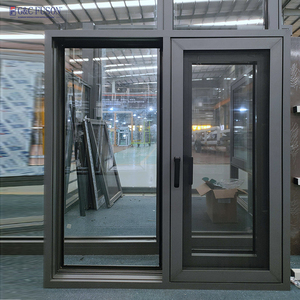
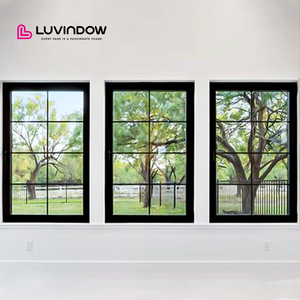
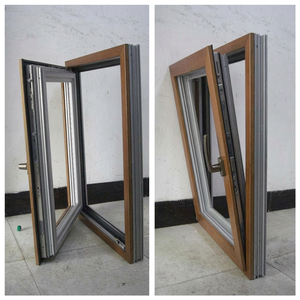
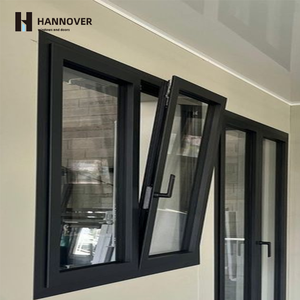
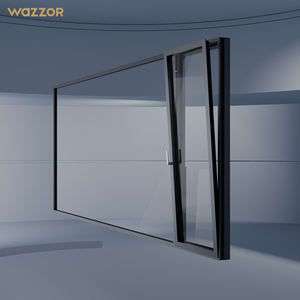
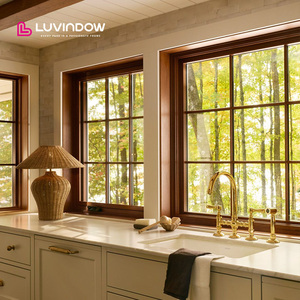
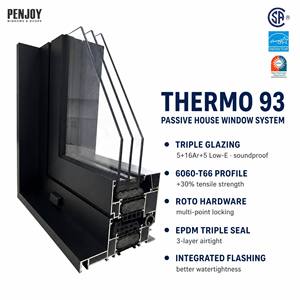
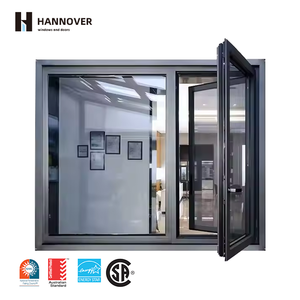
Quantifiable structural benchmarks verified through 60+ years of cumulative metallurgical engineering.
In high-end real estate developments across West Africa, standard window framing frequently suffers from corner separation, structural sagging, and water infiltration within 24 to 36 months. This degradation is directly caused by cheap mechanical crimping and steel screws that loosen under wind-load vibrations and thermal expansion. Our manufacturing facility eliminates these vulnerability points entirely by utilizing Sigma-welded joints across all sashes, frames, and screen channels.
Unlike timber which swells under tropical humidity, or unreinforced UPVC/vinyl which warps under equatorial UV radiation (reaching ambient temperatures exceeding 45°C on dark profiles), 6063-T6 structural aluminum maintains absolute dimensional stability. This ensures smooth casement operation, perfect acoustic seal alignment, and long-term tension retention on roll-formed screen sashes year after year.
Analyzing the macro-economic and environmental drivers reshaping window fenestration imports in Lagos, Abuja, and Port Harcourt.
With malaria and mosquito-borne illness control remaining a critical priority in residential architectural design across West Africa, insect screen integration is not an accessory—it is a fundamental building safety requirement. However, typical fixed mesh solutions block up to 40% of natural airflow, driving up air-conditioning power consumption in off-grid power environments.
Our roll-formed aluminum window screens featuring 16 x 18 charcoal fiberglass mesh deliver the ideal balance: micro-aperture protection against midges and mosquitoes while maintaining an open-area ventilation ratio of 72%. Retained by high-grade UV-stabilized vinyl splines, the screens withstand heavy daily usage without sagging or unravelling.
From the ongoing reclamation projects in Eko Atlantic City to luxury residential estates in Lekki Phase 1, Ikoyi, and Abuja's Maitama District, Nigerian real estate developers are shifting away from cheap, thin-gauge local aluminum fabrications. B2B buyers now demand certified China-manufactured thermally broken window packages with Low-E double glazing to lower Solar Heat Gain Coefficients (SHGC) and meet green building standards.
| Performance Metric | China 6063-T6 Welded Roll-Formed System | Local Steel Frame Fabrication | Standard Generic Vinyl (UPVC) |
|---|---|---|---|
| Structural Tensile Strength | High (≥ 210 MPa) | Moderate to High | Low (≤ 50 MPa) |
| Coastal Salt Air Corrosion | Excellent (PVDF/Qualicoat Finish) | Extremely Poor (Rusts rapidly) | Good (Non-metallic) |
| Thermal Expansion Integrity | Zero warping, high precision | Expands/Binds sashes | High expansion (Warps under UV) |
| Insect Screen Integration | Roll-Formed Flat/Long-Leg (Toolless removal) | Tacked wire mesh (Rusts, fixed) | Plastic frame clips (Brittle) |
| Lifespan in West Africa | 30+ Years Zero-Maintenance | 3-5 Years (Requires repaint) | 5-8 Years (Yellows/Cracks) |
Customized engineering configurations tailored to micro-climates across the Nigerian federation.
Salt-laden sea breezes off the Gulf of Guinea quickly erode standard metal coatings. Our window packages specified for Lagos coastal zones receive high-performance PVDF fluorocarbon factory finishes and stainless steel 316 hardware, paired with long-leg roll-formed screen frames to resist direct ocean breeze shear forces.
Central Nigeria experiences intense direct sunlight and extreme daytime thermal heat gain. We supply double-glazed thermally broken casement windows with Low-E gas-filled glass units, reducing internal HVAC cooling loads by up to 32% while providing 42dB acoustic isolation against urban traffic noise.
Industrial airborne particulate matter and acidic soot require heavy-duty seal gaskets and easy-to-clean screen mechanisms. Our roll-formed aluminum screen frames feature standard tension clips allowing maintenance staff to instantly remove and wash mosquito meshes without tools.
During the annual Harmattan season, fine dust particles penetrate standard window tracks. Our specialized multi-point locking casements with double EPDM weatherstripping create a dust-tight compression seal, preventing airborne particulates from entering air-conditioned interiors.
Streamlining China-to-Nigeria B2B imports with complete CAD support, stringent QC, and sea freight protection.
We eliminate expensive jobsite modifications. Prior to cutting any aluminum raw material, our engineering desk generates full CAD submittal drawings detailing net frame dimensions, glass bite depths, hardware locations, wind-load calculations, and masonry opening tolerance gaps. Your project team in Nigeria reviews and signs off on every millimeter before production starts.
To match varied architectural reveals, we manufacture roll-formed screen frames in two primary styles:
Shipping fenestration products from China to West African ports (Apapa, Tin Can Island, Onne) requires rigorous export packaging. Every window assembly is wrapped in protective scratch-resistant film, edge-protected with high-density foam corners, and secured in fumigated plywood crates. We supply all documentation necessary for smooth Nigerian Customs clearance, including SONCAP (Standards Organisation of Nigeria Conformity Assessment Program) certificates, Form M compliance documents, and detailed packing lists mapped to unit tags.
Direct answers regarding regulatory compliance, shipping logistics, and technical specifications.
Our manufacturing facility works directly with accredited international inspection agencies (such as Cotecna, SGS, or Intertek) to issue the mandatory Product Certificate (PC) and Certificate of Conformity (CoC) required for SONCAP clearance at Nigerian ports. We ensure all alloy tempers, glass impact standards, and powder coating thicknesses match SONCAP technical guidelines prior to container loading.
6063-T6 aluminum undergoes artificial aging to achieve optimal yield strength (≥170 MPa) and hardness. Cheap local fabrications often use scrap aluminum melt (T5 or non-standard tempers) which contains impurities. Under high winds, thermal stress, or heavy structural glass loading, sub-standard metal bends, cracks around screw holes, and oxidizes rapidly in West African humidity.
Standard factory production time for a 40ft High Cube container order (approx. 300–450 units) is 20 to 25 business days following CAD shop drawing approval. Ocean transit time from Foshan/Nansha/Ningbo ports to Lagos (Apapa/Tin Can) averages 30 to 40 days depending on the shipping line (e.g., Maersk, COSCO, MSC).
Yes. Our roll-formed aluminum screen channels are treated with a pre-passivation coating and finished with high-durability architectural powder coating (Qualicoat Class 2 certified) or anodizing (≥15 microns). The 16 x 18 insect mesh is composed of high-tenacity vinyl-coated fiberglass which is completely immune to rust, salt pitting, and coastal degradation.
We supply a complete spare-parts kit with every container shipment, including spare friction hinges, multi-point lock handles, rubber EPDM gaskets, vinyl screen splines, and spare screen mesh rolls. Furthermore, all our hardware tracks use standardized international architectural dimensions for straightforward long-term servicing.
We support both full container load (FCL) commercial development projects and LCL (Less than Container Load) shipments for luxury private villa builds. Our minimum order threshold starts at 50 square meters of total fenestration area, with full customization of profile color, glazing type, and screen specification.
Partner with China’s premier manufacturer of high-performance roll-formed aluminum window screens and thermally broken window systems tailored for the Nigerian market. Contact our technical sales engineering team today.