Engineered to comply with SANS 10400-XA thermal envelope requirements, AAAMSA wind-load standards, and South Africa's rigorous residential security demands.
Deciphering climatic microclimates, national building standards, and structural security requirements for high-yield B2B imports from Chinese factories.
Sourcing metal windows for South Africa requires precise regional engineering. In the Highveld (Johannesburg, Pretoria), fenestration faces extreme diurnal temperature swings and high solar UV indices. Here, thermal break aluminum frames with Polyamide PA66GF25 strips are vital to prevent thermal bridging and indoor heat gain. Conversely, in Coastal Regions (Durban, Cape Town, Gqeberha), aggressive marine air accelerates pitting corrosion. Factories must supply 6063-T6 extrusions coated with Qualicoat Class 2 or AkzoNobel Interpon powder coats, certified to withstand 2,000+ hours of neutral salt spray testing.
Compliance with the South African National Standards (SANS 10400 Parts A, N, and XA) is non-negotiable for commercial developers and residential architects. Chinese manufacturers serving this market must supply fenestration packages audited for maximum U-values (W/m²·K) and Solar Heat Gain Coefficients (SHGC). Furthermore, fenestration installed in coastal high-rises must meet AAAMSA (Association of Architectural Aluminium Manufacturers of South Africa) wind deflection criteria, resisting design wind pressures up to 3000 Pa without structural displacement or water ingress.
With ongoing power grid instability across South Africa, HVAC reliance during extreme summer heatwaves and cold winter nights has become problematic for commercial tenants and homeowners alike. High-performance Chinese aluminum windows featuring double-glazed Low-E IGUs (Insulated Glass Units) with argon gas fills act as thermal capacitors. By maintaining interior ambient temperatures up to 6°C longer during electrical load-shedding events, thermal-break fenestration transforms from a simple building envelope component into an essential passive energy survival system.
Why profile composition, corner joinery, and glass specifications dictate long-term lifecycle ROI in South African building projects.
| Technical Feature | Standard Market Grade (Low Cost) | Premium OEM China Factory Standard | Impact on South African Projects |
|---|---|---|---|
| Alloy Composition | Recycled / Mixed Aluminum Scrap | Virgin 6063-T6 Aluminum Extrusion | Eliminates structural cracking under wind load; resists severe coastal salt air corrosion. |
| Corner Joinery | Mechanically Screwed & Crimped | Sigma-Welded & Dressed Smooth Joints | Creates a monolithic metal frame that never opens water leak paths or racks out of square. |
| Thermal Insulation | Unbroken Solid Metal Profile | PA66GF25 Polyamide Thermal Break Bar | Reduces thermal conductivity by 65%, meeting SANS 10400-XA energy compliance. |
| Surface Coating | Standard Decorative Powder Coat (40µm) | Qualicoat Class 2 / PVDF Fluorocarbon (80µm+) | Prevents chalking, fading, and blistering under harsh Highveld UV solar radiation. |
| Security Glazing | Single Monolithic Annealed Glass | Double Laminated Toughened Safety Glass | Provides forced-entry intrusion resistance and superior sound dampening (Rw > 38 dB). |
Traditional metal windows imported into Africa often utilize mechanically screwed corner cleats. Over years of thermal expansion and structural wind vibration, mechanically joined corners loosen, breaking sealant barriers and allowing rainwater infiltration. Direct manufacturing processes using sigma-welded aluminum corners weld frame members together seamlessly. The corner becomes as strong as the profile itself, ensuring zero frame racking during building movement.
Sub-standard surface finishes deteriorate rapidly in coastal ports like Durban or Cape Town. OEM Chinese export factories utilize automated electrostatic vertical powder coating lines applying PVDF (Polyvinylidene Fluoride) coatings. These specialized finishes resist chemical degradation, industrial pollution, and salt air oxidation, backed by 15 to 25-year factory warranties against discoloration and chalking.
Fenestration security is a dominant selection criteria for South African buyers. Advanced factory window designs incorporate multi-point shoot-bolt locking systems, anti-lift sliding sills, and heavy-duty friction stays. When paired with high-tensile stainless steel security mesh screens (304/316 grade), the window serves as an effective security barrier without sacrificing aesthetic sightlines.
From luxury residential estates in Sandton to coastal developments in Camps Bay, explore where Chinese metal windows excel.
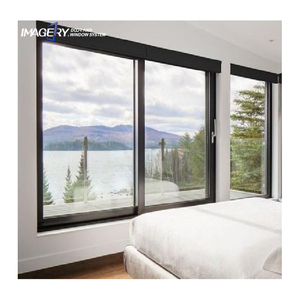
Modern architectural philosophy in South Africa emphasizes seamless indoor-outdoor living. Gated estates in Johannesburg (Waterfall Estate, Steyn City) and Natal coastal developments prioritize large-format floor-to-ceiling sliding glass panels. OEM factories in China produce customized heavy-duty aluminum sliding doors with narrow interlocking sightlines (as thin as 20mm), capable of supporting panel weights up to 400 kg with effortless fingertip sliding mechanisms.
Key Spec: Double-tempered 6mm+12Ar+6mm Low-E glass with flush-fit stainless steel drainage tracks.
With rising municipal electricity tariffs in South Africa, commercial asset managers are retrofitting outdated single-glazed steel windows with thermally insulated aluminum systems. Custom Chinese factory fabrication allows exact frame matching to existing structural rough openings, reducing onsite structural alteration costs while lowering tenant HVAC loads by up to 30%.
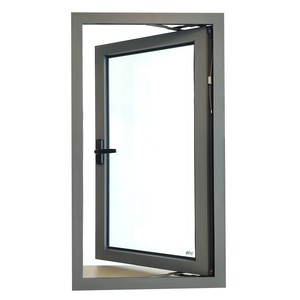
Key Spec: Top-hung awning and inward-tilt casement profiles with integrated solar-reflective glass tints.
Combining mass-production cost efficiencies with bespoke engineering to deliver submittal-ready fenestration packages.
No two architectural projects in South Africa are identical. Top factories eliminate field fitting errors by producing unit-by-unit CAD/BIM shop drawings. Profile extrusions, hardware placement, glass bite, and net structural opening sizes are signed off by your project team prior to any metal cutting.
Leading Chinese exporters conduct rigorous in-house quality assurance checks, including air-tightness testing (ISO 9050), water penetration under dynamic pressure, wind load resistance, and operation cycling tests. Windows are fully assembled, factory-glazed, and quality inspected before crating.
Transporting heavy glass and extruded metal frames over 6,000 nautical miles requires bulletproof packaging. Products are protected with protective film, foam corner wraps, and packed inside steel-reinforced fumigated plywood crates optimized for container loading (FCL) to South African ports.
Key financial, tariff, and shipping considerations for South African property developers, main contractors, and window distributors.
Importing aluminum doors and windows into the Southern African Customs Union (SACU) territory requires correct tariff classification under HS Code 7610.10 (Aluminum doors, windows, and their frames). Importers must register with the South African Revenue Service (SARS) Customs division and secure an ITAC import permit where applicable. Working with an experienced Chinese exporter ensures commercial invoices, packing lists, and Certificates of Origin (COO) match customs paperwork requirements precisely to avoid port clearance delays.
Sea freight routes from main Chinese port hubs (Foshan, Ningbo, Shenzhen, Shanghai) typically connect directly to South African commercial ports:
Direct answers to essential technical, regulatory, and commercial procurement queries.
Connect directly with our engineering team to review submittal drawings, request SANS-compliant glass packages, and receive instant factory-direct pricing for your project container shipments.