Precision-engineered 6063-T6 aluminum profile systems combined with structural safety laminated glass certified to European standards (EN 14449, EN 1279, EN 12150).
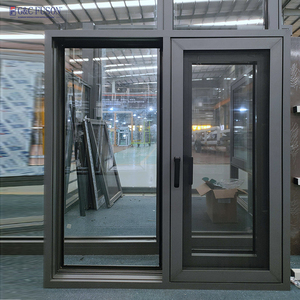
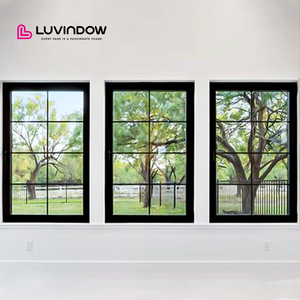
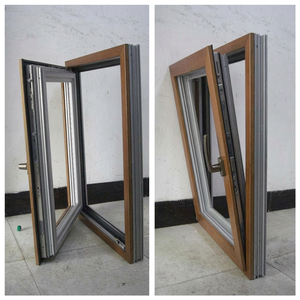
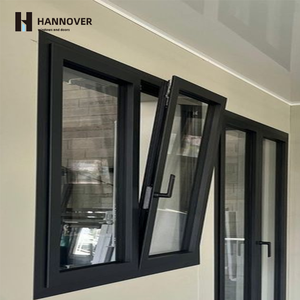
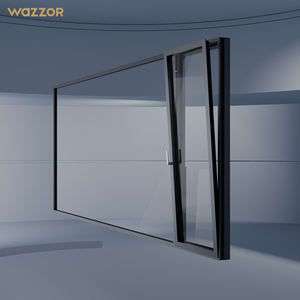
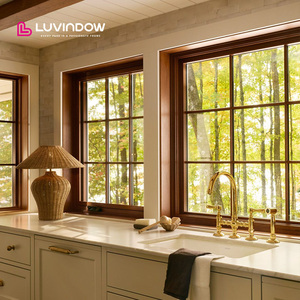
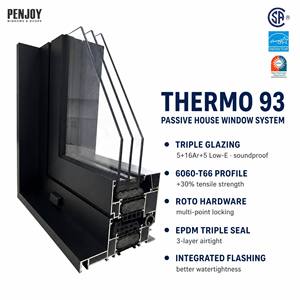
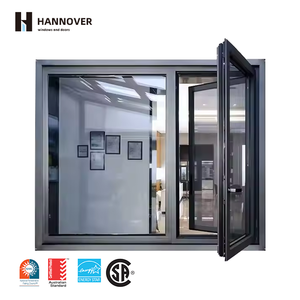
Denmark's construction and architectural sector operates under some of the most stringent building efficiency standards globally. Governed by Bygningsreglementet 2018 (BR18), modern residential and commercial developments across Zealand (Sjælland), Jutland (Jylland), and Funen (Fyn) demand window assemblies with total thermal transmittance rates (Uw) not exceeding 0.80 W/m²K, alongside strict solar radiation balance (g-value) calibrations. For developers, façade contractors, and architectural hardware importers in Copenhagen, Aarhus, and Odense, sourcing structural laminated glass and custom aluminum systems from China has evolved from a simple cost-reduction tactic into a strategic high-technology partnership.
As a leading Chinese custom manufacturer of premium aluminum framed windows, doors, and structural laminated glass units, our production framework integrates high-grade 6063-T6 extrusions, advanced polyamide thermal barriers, and precision-engineered insulated glass packages (IGUs). Laminated glass plays a critical dual role in Nordic architecture: providing structural safety against extreme North Sea storm surges while delivering the acoustic attenuation required for modern high-density urban living.
A deep exploration into structural interlayers, thermal break continuity, and seamless frame joinery designed for maritime climates.
Standard Polyvinyl Butyral (PVB) offers exceptional sound damping and impact retention. However, for frameless glass balustrades and high-wind coastal facades in Esbjerg or Aalborg, we incorporate SentryGuard Plus (SGP) ionoplast interlayers—5 times stronger and up to 100 times stiffer than traditional PVB, preventing post-breakage collapse.
Mechanical screw-and-crimp joinery common in budget fabrications eventually loosens under thermal stress, opening micro-gaps for water ingress. Our profiles feature full sigma-welded joints dressed smooth. The welded corner acts as a continuous monolith of 6063-T6 aluminum alloy that will never rack out of square.
Thermal bridging at glass edges is a primary cause of condensation in cold Scandinavian winters. By deploying Thermo Plastic Spacers (TPS) and Swiss warm-edge bars filled with molecular sieves, thermal conductivity along the IGU perimeter is reduced by over 65% compared to legacy aluminum spacers.
Selecting the optimal glass composition for Danish architectural submittals requires balancing thermal insulation, solar gain, and structural load capacity.
| Glazing Configuration | Interlayer Type | Ug Value (W/m²K) | Light Transmittance (LT %) | Solar Factor (g-value) | Acoustic Rating (Rw) | Primary Danish Application |
|---|---|---|---|---|---|---|
| 6mm Low-E + 12Ar + 6.38mm Clear Laminated | Standard Acoustic PVB (0.38mm) | 1.1 W/m²K | 74% | 0.52 | 38 dB | Urban Apartment Infill / Copenhagen Renovations |
| 6mm Low-E + 16Ar + 8.89mm SGP Laminated | SGP Structural (0.89mm) | 1.0 W/m²K | 71% | 0.48 | 41 dB | Coastal Water-front Residences & High Wind Zones |
| 4mm Low-E + 12Ar + 4mm + 12Ar + 8.76mm Triple Laminated | Dual Acoustic PVB (0.76mm) | 0.6 W/m²K | 63% | 0.38 | 45 dB | BR18 Energy Class 2020 / Passive House Villas |
| 8mm Toughened Low-E + 16Ar + 10.76mm SGP Toughened Laminated | SGP Structural (1.52mm) | 0.5 W/m²K | 68% | 0.42 | 48 dB | Commercial Curtain Walls & Structural Canopies |
From North Sea coastal winds to urban acoustic isolation, explore how our laminated glass assemblies deliver localized performance.
Coastal structures in western Jutland face high salt spray exposure and relentless wind-driven rain. Our 6063-T6 aluminum frames are coated with high-durability fluorocarbon (PVDF) or 25-micron marine-grade anodizing. Paired with SGP structural laminated glass, these units withstand wind pressures up to 3500 Pa without seal failure or frame deflection.
Downtown Copenhagen renovation projects require strict preservation of historic sightlines while neutralizing noise from harbor traffic and metro lines. Utilizing asymmetric glass thickness (e.g., 8mm outer + 6.76mm inner acoustic laminated glass), our systems dampen low-frequency urban traffic rumble down to Rw 46-48 dB.
Commercial construction in Denmark prioritizes low operational carbon footprints. By supplying argon-filled triple-glazed laminated assemblies featuring double-silver Low-E coatings, solar heat gain (g-value) is precisely tuned to prevent summer overheating while maximizing daylight transmission (LT > 65%).
As Denmark advances toward its ambitious goal of 70% greenhouse gas reduction by 2030, the architectural fenestration market is undergoing three core shifts:
We combine over six decades of metal window fabrication experience with modern automated glass processing technologies.
Every order sent to Denmark is manufactured 100% to order based on custom submittal drawings. Before any raw aluminum profile is extruded or glass pane is cut, our engineering desk provides shop drawings showing net frame dimensions, glass bite, weep hole positioning, and hardware anchors for architect sign-off.
All structural laminated glass batches undergo rigorous impact, boil, and humidity chamber testing in accordance with EN 14449 and EN 1279. Insulating units are hermetically sealed using dual-pass butyl primary sealant and structural silicone secondary seals to eliminate argon gas leakage.
In addition to glass and framing, we manufacture custom flat-frame and long-leg insect screens utilizing roll-formed aluminum profiles and 16x18 charcoal fiberglass mesh. Secured via traditional stainless steel clips, screens can be detached for cleaning without specialized tools.
Shipping glass across maritime freight routes to Danish ports (such as Copenhagen or Aarhus) requires specialized packing. Units are shrink-wrapped with moisture-absorbing desiccants, corner-protected with high-density EVA foam, and locked inside fully enclosed fumigated plywood crates.
Key technical and logistical insights regarding sourcing laminated glass and aluminum windows from China.
Compliance with Bygningsreglementet (BR18) is achieved by customizing the Insulated Glass Unit (IGU) stack. We combine soft-coat Low-E glass (such as Saint-Gobain Planitherm or equivalent), 90%+ Argon gas fill, and warm-edge thermoplastic spacers (TPS). This setup achieves unit U-values down to 0.5-0.7 W/m²K, well within BR18 requirements.
SGP (SentryGuard Plus) is a rigid ionoplast interlayer that is 100 times stiffer and 5 times stronger than standard PVB. In storm-prone coastal regions like West Jutland, SGP retains its structural stiffness even if both glass panes are broken, preventing wind collapse and water intrusion.
Mechanically screwed or crimped aluminum corners rely on rubber gaskets and joint sealants that deteriorate over time under thermal expansion and coastal salt air exposure. Sigma-welded joints physically fuse the 6063-T6 aluminum alloy into a single continuous frame piece, eliminating corner leakage and structural loosening permanently.
Yes. Custom fabrication is our standard workflow. Buyers submit architectural elevations or CAD drawings, and our factory produces full shop submittal drawings detailing frame sightlines, mullion connections, hardware placement, and glass bite for formal approval before production.
Export shipments are accompanied by CE documentation confirming compliance with EN 14449 (Laminated Safety Glass), EN 12150 (Toughened Safety Glass), and EN 1279 (Insulating Glass Units). Test reports cover acoustic insulation, impact resistance (EN 12600 1B1), and thermal transmittance.
Production lead time for custom laminated glass and thermally broken window systems typically ranges from 20 to 30 days depending on volume and glass tempering complexity. Ocean transit from Ningbo/Shanghai to Copenhagen or Aarhus ports takes approximately 30 to 35 days.