Pre-engineered thermal break profiles, high-impact casement frames, and customized fenestration packages fabricated specifically for structural durability in extreme cold zones.
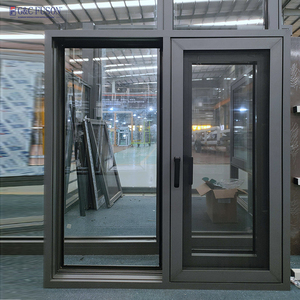
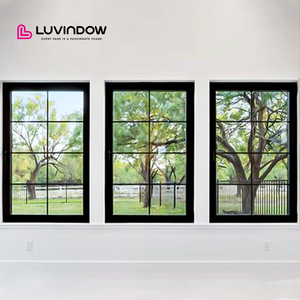
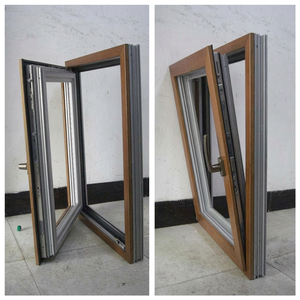
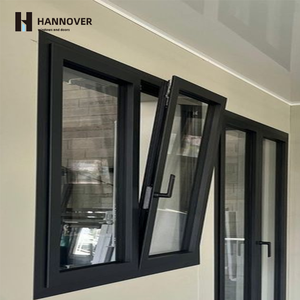
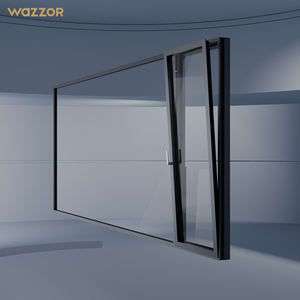
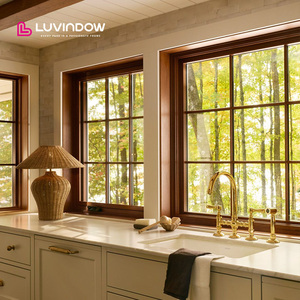
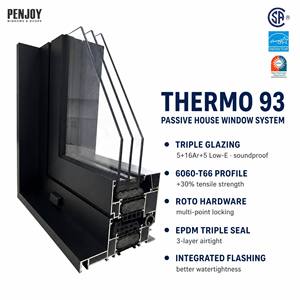
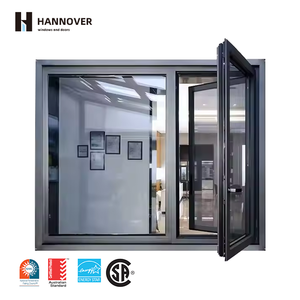
An in-depth analysis of how leading Chinese extruders deliver advanced architectural profiles, thermal barrier fenestration, and custom CAD-engineered systems to Russian commercial and residential developments.
Commercial facades and high-density apartment blocks in Western Russia demand structural frame integrity capable of absorbing intense wind pressures while maintaining extreme thermal isolation. Chinese anodized aluminum profiles utilize sigma-welded structural corners and multi-chamber PA66GF25 polyamide thermal barriers, mitigating interior condensation during central heating shifts.
Projects across Novosibirsk, Ekaterinburg, and Krasnoyarsk experience sub-zero temperatures dropping to -50°C. Conventional mechanical crimped frames and thin powder coatings fail due to differential thermal contraction. 6063-T6 solid alloy extrusions with deep anodization preserve dimensional stability without micro-cracking, swelling, or structural seal breakdown.
Developments in Vladivostok, Nakhodka, and Kamchatka require windows and structural curtain walls immune to marine salt fog and harsh pacific gales. Chinese top-tier exporters deliver high-micron anodized aluminum profiles treated with electrolytic sealed oxide layers, passing 3,000-hour acetic acid salt spray (AASS) testing without pitting.
Understanding the transition from European hardware imports to high-precision, direct-from-factory Chinese manufacturing partnerships.
Russian real estate developers and general contractors have rapidly shifted procurement channels toward top-tier Chinese extrusion plants. By bypassing European intermediaries, Russian buyers gain direct access to custom die creation, advanced 6063-T6 metallurgical standards, and scaled production capacities capable of delivering multi-ton structural profile shipments directly via overland rail (Manzhouli/Zabaikalsk) or maritime shipping to Vladivostok.
Key advantage lies in custom shop drawing adaptability: Chinese manufacturers build strictly to architect submittals, providing full BIM model integration, structural wind load verification, and thermal calculations tailored to Russian building codes (SNiP and GOST).
While liquid paint and standard powder coating can degrade under intense freeze-thaw cycles and UV exposure reflected by snow, anodized aluminum chemically converts the metal surface into an integral aluminum oxide layer. In cold-climate urban environments like Moscow and Chelyabinsk, anodized finishes offer unyielding surface hardness (HV ≥ 300), preventing ice-scraper abrasion, road-salt erosion, and chalking.
The Russian architectural sector increasingly specifies Electrolytic Matte Black, Deep Bronze, and Natural Metallic Silver anodized profiles for contemporary commercial facades, modern passive house villas, and public infrastructure projects.
| Performance Feature | Standard Powder Coated Profiles | Premium Anodized Profile (China Export Standard) | Impact on Russian Procurement & Building Life |
|---|---|---|---|
| Surface Layer Bond | Adhesive organic paint film (Subject to peeling under ice tension) | Integral Oxide Conversion (Qualanod 15-25µm) | Zero risk of delamination during extreme -40°C freezing cycles. |
| Sub-Zero Abrasion Resistance | Moderate (Scratched by ice removal tools) | Extreme (Mohs Hardness ~ 7-8, HV ≥ 300) | Eliminates structural frame scraping and cosmetic wear in urban centers. |
| Thermal Break Integration | Standard PVC / Low-grade insulation strips | Technoform PA66GF25 Polyamide Structural Strips | Achieves lower U-factors (≤0.80 W/m²·K), preventing interior frame frost. |
| Joint Engineering | Mechanically crimped & screwed joints | Full Sigma-Welded Corner Dressings | Hermetic seal preventing moisture ingress into thermal cavities. |
| Regulatory Alignment | Varies widely | Fully Certified to GOST 22233-2018 & ISO 9001 | Accelerates Russian state architectural approval and customs clearance. |
Combining 60+ years of collective metallurgy experience, automated extrusion lines, and rigorous cold-climate testing protocols.
We strictly utilize virgin 6063-T6 aluminum ingots, refusing scrap metal diluents. T6 heat treatment ensures optimal tensile yield strength (≥ 210 MPa) and shear resistance, allowing slim sightline frames to hold multi-ton triple-glazed glass units without deflecting under heavy snow loads.
Unlike standard mechanical crimping that relies on corner cleats and sealant pastes—which degrade over years of expansion—our frame members are sigma welded at every joint and dressed smooth. A welded joint behaves as one monolithic metal structure, eliminating water leak paths permanently.
Every order is manufactured strictly to your project’s custom dimensions. Our engineering team reviews architect plans, generates detailed CAD takeoffs showing exact glass bite, frame depth, weep hole drainage channels, and hardware mounting points prior to cutting any billet.
Direct answers regarding logistics, regulatory certifications, thermal ratings, and customized manufacturing procedures.
Solid 6063-T6 aluminum maintains absolute dimensional stability across extreme temperature fluctuations (+40°C to -50°C). Timber absorbs humidity, causing swelling, warping, and rot, while PVC becomes brittle and prone to structural cracking in Siberian cold. Anodized aluminum carries vastly larger glass units with slimmer profiles, and requires zero repainting or chemical maintenance throughout its 50+ year service life.
GOST 22233-2018 sets stringent structural, chemical composition, and heat insulation standards for aluminum alloy profiles used in Russian building envelopes. Our factories utilize high-density polyamide isolation strips (PA66GF25) inserted into precision-extruded aluminum channels. Full laboratory test reports detailing tensile strength, wind pressure rating, and thermal conductivity coefficients are provided for smooth state expert evaluation (Gosexpertiza).
For standard residential and interior applications, Class 10 or 15 (10–15 microns) is sufficient. However, for Russian commercial towers, industrial complexes, or coastal cities (such as Vladivostok and Sochi), we strongly recommend Class 20 or Class 25 (20–25 microns) Qualanod-certified anodization. This guarantees protection against aggressive anti-ice salts, industrial sulfur emissions, and marine ocean spray.
Orders are dispatched via two primary logistics channels: direct overland container rail freight through Manzhouli / Zabaikalsk and Suifenhe / Grodekovo customs posts (serving Moscow, Ekaterinburg, Novosibirsk, and Central Russia), or maritime container transport to Vladivostok/Vostochny ports followed by the Trans-Siberian railway connection. Profiles are individually plastic-sleeved, corner-protected, and wrapped in heavy wooden crates engineered for multi-modal transit.
A thermal break is a continuous structural barrier made of low-thermal-conductivity material (polyamide PA66 reinforced with 25% glass fiber) placed between the exterior and interior aluminum profiles. It breaks the thermal bridge, preventing cold transmission into conditioned spaces and eliminating frame sweating (condensation). Thermally broken profiles are legally mandated across Russia for all heated residential and commercial buildings.
Yes. OEM/ODM customization is our standard operating mode. We manufacture windows, tilt-and-turn systems, heavy-duty sliding doors, and curtain wall extrusions according to exact submittal drawings. We integrate European-standard hardware grooves (such as C-notch and 16mm axial systems) compatible with premium multi-point locking operators designed for heavy double/triple glazing packages.
Submit your CAD elevations, project schedules, or wholesale extrusion inquiries today. Receive detailed engineering shop drawings, thermal calculations, and competitive FOB/CIF quotation packages within 24 hours.