Precision-engineered thermally broken aluminum profiles, double/triple safety tempered glazing packages, and typhoon-tested Fenestration solutions custom-built for Tokyo's modern residential and commercial developments.
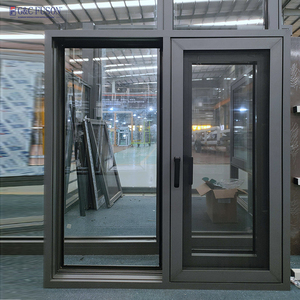
Ultra-low U-value triple glazed thermal break system engineered for Tokyo suburban ZEH housing compliance.
Inquire Now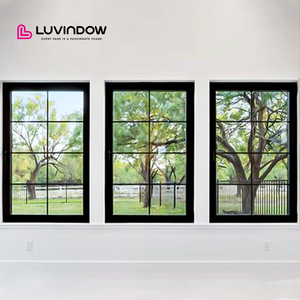
Structural 6063-T6 frame with laminated safety tempered glass designed to resist severe Tokyo Bay typhoon winds.
Inquire Now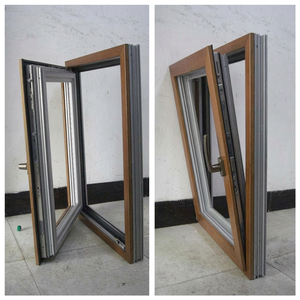
Acoustic isolation up to STC 42 dB with argon-filled tempered safety glass for urban Tokyo high-rises.
Inquire Now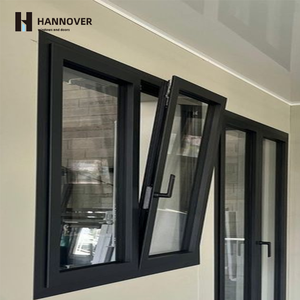
Precision sigma-welded sash profiles delivering complete frame air-tightness and weather tightness.
Inquire Now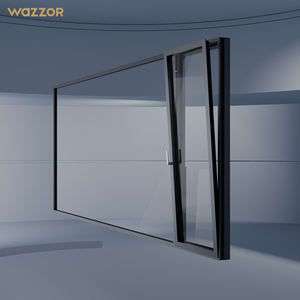
JIS certified high-tensile tempered glass assembly engineered for heavy dynamic wind loads.
Inquire Now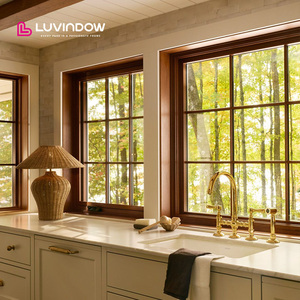
Classic aesthetic combined with high-strength tempered exterior safety glass for luxury custom residences.
Inquire Now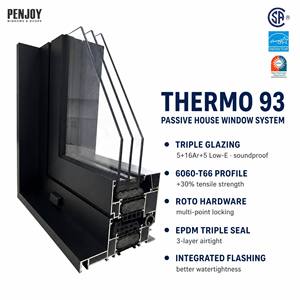
Double-sputtered Low-E tempered coating maximizing solar control and thermal retention in cold winters.
Inquire Now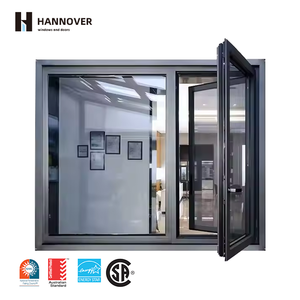
Versatile tilt-and-turn engineering with heavy-duty multi-point locking hardware for commercial facades.
Inquire NowTokyo’s built environment represents one of the most demanding engineering ecosystems in the world. Situated at the intersection of complex seismic zones, prone to intense seasonal typhoons originating in the Pacific, and governed by strict municipal energy conservation laws, architectural specifying in Greater Tokyo demands uncompromising glass engineering. Tempered glass (強化ガラス - Kyōka Garasu) imported into Japan must satisfy not only general durability standards but exact compliance metrics defined by JIS R 3206 (Japanese Industrial Standards for Tempered Glass) and Article 20 of the Building Standards Act of Japan (建築基準法).
Below is an technical evaluation of the premier global exporters delivering certified architectural tempered glass and integrated fenestration systems to Japan.
| Manufacturer / Exporter | Core Specialization | JIS R 3206 Cert. | Heat Soak Test (HST) | Framing & Systems | Tokyo Project Suitability |
|---|---|---|---|---|---|
| The Metal Window / Simora | Sigma-Welded 6063-T6 Systems & Custom Glazing | Fully Certified | 100% Batch Tested | Thermal Break 6063-T6 Aluminum | Luxury Villas, Passive Houses, Mid-Rise Urban |
| AGC Inc. (Asahi Glass) | Float Glass & High-Performance Low-E Coatings | Native JIS Standard | Available On-Demand | Commercial Curtain Wall Infill | Mega Tall Towers & Institutional Infrastructure |
| NSG Group (Nippon Sheet Glass) | Vacuum Insulated & Fire-Rated Tempered Units | Native JIS Standard | Integrated Standard | Structural Glazing Systems | Retrofit Urban High-Rises & Heritage Upgrades |
| Fuson Window Solutions | Triple Glazed French & Casement Thermal Systems | Certified Export Grade | Optional Batch Test | Heavy-Duty Polyamide Thermal Break | Suburban Tokyo Residential ZEH Developments |
| Fuyao Glass Industry Group | Specialty Laminated & Solar Control Tempered Glass | Certified Export Grade | Integrated Standard | Automotive & Architectural Facades | Commercial Office Complex Exteriors |
| Taiwan Glass Ind. Corp. | Double-Sputtered Low-E Tempered Architectural Glass | JIS R 3206 Compliant | Standard Protocol | Unitized Curtain Wall Paneling | High-Density Commercial Dist. (Marunouchi) |
| Wazzor Windows Technology | Typhoon-Resistant Acoustic Tempered Fenestration | Certified Export Grade | Batch Certified | Narrow-Sightline High-Tensile Alloys | Tokyo Bay Coastal Waterfront Developments |
| Xinyi Glass Holdings | Ultra-Clear Low-Iron Tempered Glass Panels | JIS R 3206 Certified | Available On-Demand | Structural Fin & Canopy Glass | Luxury Retail Storefronts (Ginza/Omotesando) |
| Penjoy Building Materials | Passive House Certified Triple Glazed Tempered Units | Certified Export Grade | Standard Protocol | Insulated Polyamide Structural Frame | Energy Star & Passive House Urban Units |
| CSG Holding Co., Ltd. | Solar Photovoltaic Integrated Tempered Glass (BIPV) | JIS R 3206 Compliant | Batch Certified | Aluminum BIPV Mounting Systems | Green Office Buildings & Net-Zero Structures |
Building on over 60 years of structural metal fabrication lineage, our manufacturing facility produces bespoke tempered glass packages integrated directly into sigma-welded 6063-T6 aluminum framing.
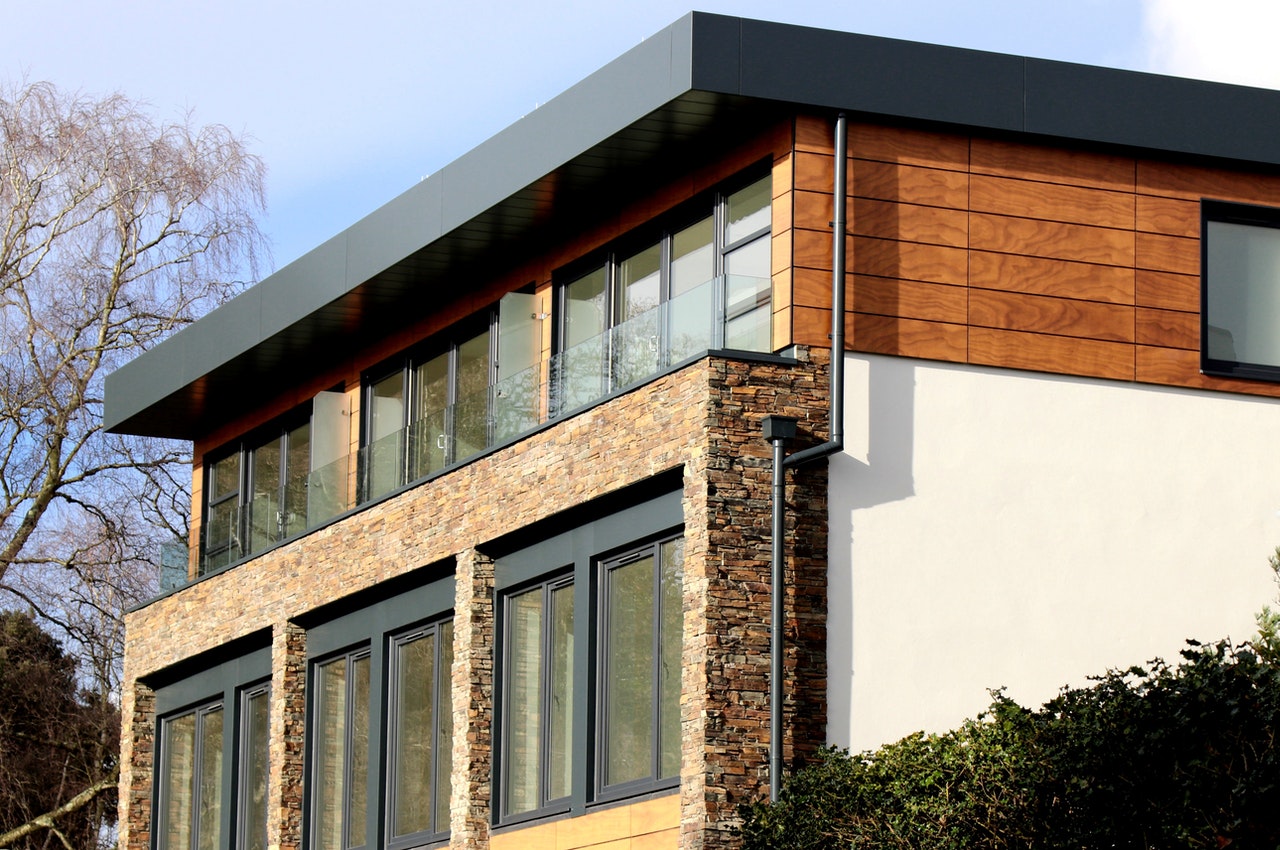
Conventional export windows utilize mechanically crimped or screwed frame corners sealed with silicone. Over time, Tokyo’s thermal cycles and seismic micro-vibrations loosen these joints, breaking the water barrier. Our structural frames feature sigma-welded continuous joints at every frame corner. The metal fuses into one homogeneous member, guaranteeing zero structural racking, zero corner air leakage, and perpetual water-tightness.
We exclusively utilize prime 6063-T6 aluminum alloy extrusions. Holding strict dimensional tolerances under intense Japanese seasonal temperature swings, this alloy will not warp, swell, or corrode under severe ocean salt exposure in coastal Tokyo districts.
High-density polyamide (PA66) thermal break strips structurally isolate the interior aluminum profile from the exterior metal. This eliminates frame thermal bridging, preventing interior sweating and water damage during freezing Tokyo winters.
Factory-integrated roll-formed aluminum screen systems featuring 16x18 charcoal fiberglass mesh. Installed with clip retainers for easy tool-free maintenance by building residents.
Environmental Challenge: High salt-fog atmosphere, strong wind gusts off Tokyo Bay, and high exposure to solar reflection.
Engineered Solution: Triple-glazed low-iron tempered glass units with double Low-E sputtered coatings (SHGC 0.26). Framed in C5-M marine-grade anodized 6063-T6 aluminum with stainless steel operating hardware to resist salt air oxidation for decades.
Environmental Challenge: Severe acoustic noise pollution from rail lines and arterial traffic, stringent fire safety distances under the Building Standards Act.
Engineered Solution: Asymmetric laminated tempered glass configurations (6mm tempered + 1.52mm PVB + 8mm tempered) offering acoustic reduction up to STC 43 dB, paired with fire-resistant intumescent perimeter seals.
Environmental Challenge: Compliance with strict Zero Energy House insulation limits while retaining slim, modern architectural sightlines.
Engineered Solution: Ultra-slim sightline casement windows incorporating warm-edge spacers, 90% Argon gas fill, and low-E triple tempering delivering a total window U-value of 0.78 W/m²K.
Environmental Challenge: Maximum optical clarity, resistance to accidental human impact, and distortion-free display glass.
Engineered Solution: Ultra-clear Low-Iron (Optiwhite) tempered glass panels subjected to full optical polarimetry scanning and Heat Soak Testing (HST) to ensure flawless visual transparency.
Our architectural tempered glass units undergo strict quality control protocols aligned directly with JIS R 3206. This includes fragment count testing (ensuring greater than 40 particles in a 50x50mm area upon impact), surface stress verification via differential interferometry (>90 MPa), and dimensional flatness testing to eliminate edge dip and optical distortion.
While Tokyo experiences mild winters compared to northern Japan, humidity combined with sub-zero winter nights creates high dew-point conditions indoors. Non-thermally broken aluminum frame channels cold directly inside, causing heavy condensation (frame sweating) that ruins drywall and wallpaper. A polyamide thermal break slows heat transfer, maintaining interior frame temperatures above dew point.
Yes. Every unit manufactured in our facility is built 100% to order based on your architect’s CAD schedules or field rough opening dimensions. We eliminate standard catalogue size constraints, filler panels, and field trimming. Complete CAD shop drawings are provided for approval prior to metal extrusion cutting and glass tempering.
All export glass units are packed in closed, heavy-duty fumigated plywood crates with corner rubber protectors, interlocking foam separators, and desiccant bags. Crates are loaded into ocean containers with structural steel banding to prevent dynamic movement during sea transit.
Mechanically crimped or screwed corners rely on rubber gaskets and liquid sealants that degrade after 5–7 years of exposure to UV radiation and structural expansion. Sigma-welding fuses the 6063-T6 alloy at the joint into a single continuous piece of metal, providing perpetual water barrier performance and superior diagonal racking strength during earthquakes.