Fabricated from solid 6063-T6 extruded aluminum profiles with continuous sigma-welded joints, multi-layer thermal breaks, and coastal-grade anti-corrosion surface treatments.
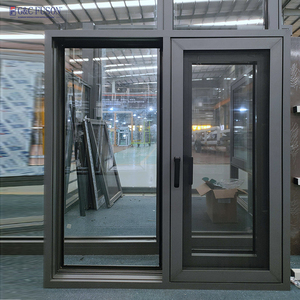
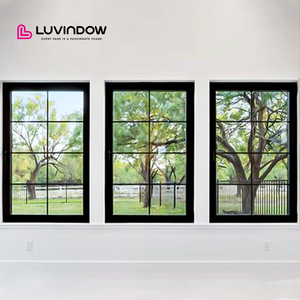
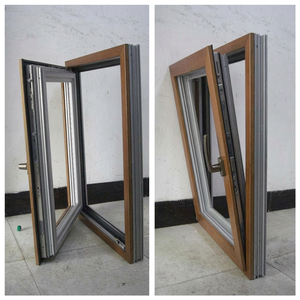
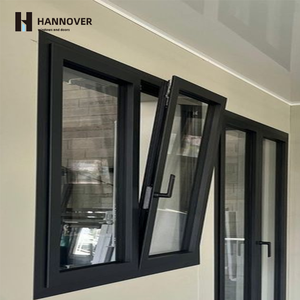
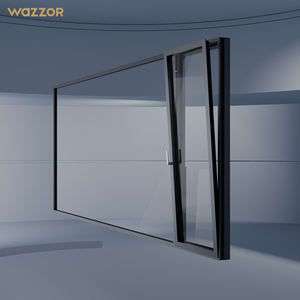
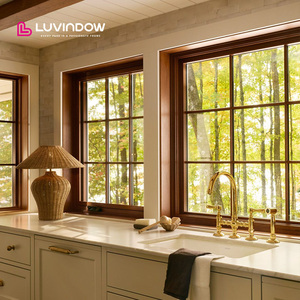
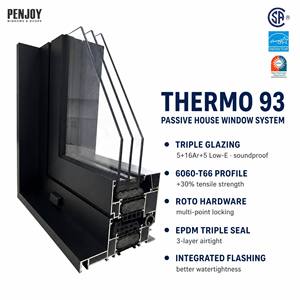
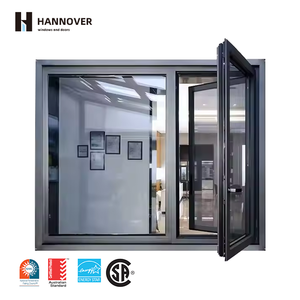
The global architectural fenestration landscape demands framing materials that deliver structural longevity, uncompromising dimensional stability, and superior thermal isolation. When sourcing thermal windows for major construction developments in Morocco, evaluating raw material composition is paramount. Standard commercial windows frequently rely on lightweight 6063-T5 aluminum extrusions; however, our enterprise manufacturing standard mandates the exclusive utilization of 6063-T6 structural-grade aluminum alloy.
The T6 heat-treatment and artificial aging process yields an ultimate tensile strength exceeding 205 MPa and a yield strength of 170 MPa. This ensures frame extrusions resist deflection under severe wind-load conditions, structural racking, and high thermal stress without twisting or bowing. Unlike timber, which expands and rots under humidity, or vinyl (uPVC), which degrades rapidly under Morocco’s elevated Solar Heat Gain coefficient (SHGC) environment, 6063-T6 aluminum maintains absolute structural geometry over decades of continuous service.

A critical point of failure in low-grade aluminum fenestration lies at the frame joints. Conventional fabricators rely on mechanical corner cleats, self-tapping screws, and liquid caulking. Over time, building settlement, wind pressure vibration, and thermal expansion cause these mechanical joints to loosen, opening direct water infiltration paths and compromising structural integrity.
Our factory eliminates this vulnerability through 100% Sigma-Welded (MIG/TIG shielding gas) corner construction. Every frame miter, sash joint, and mullion intersection is fused at the atomic level, transforming separate extrusions into a single, continuous monolithic frame. After welding, joints are CNC-dressed smooth to yield an imperceptible visual seam. A sigma-welded corner cannot loosen, rack out of square, or leak water throughout the entire lifecycle of the building.
Polyamide 66 reinforced with 25% glass fiber thermal break strips separate interior and exterior aluminum profiles, reducing U-values to under 1.3 W/m²K and stopping interior condensation sweating.
Custom Insulated Glass Units (IGUs) incorporating Low-Emissivity (Low-E) coatings, warm-edge spacers, and Argon gas fill optimize Solar Heat Gain Coefficients (SHGC) for intense desert sunlight.
Architectural powder coatings compliant with Qualicoat Class 2 standards provide maximum protection against salt fog, marine corrosion, and UV discoloration along Atlantic coastlines.
Morocco presents one of the most diverse climatic topographies in North Africa, ranging from high-humidity coastal marine zones along the Atlantic and Mediterranean to intense heat microclimates in the interior valleys, and freezing sub-zero conditions in the High Atlas Mountains. Deploying standard fenestration leads to elevated HVAC energy expenditure, glass thermal stress fractures, and frame corrosion. Our engineering team customizes thermal window specs based on localized Moroccan microclimates:
Primary Environmental Challenges: Marine salt spray, high atmospheric humidity, continuous salt fog, and heavy wind pressure.
Engineering Solution: 6063-T6 aluminum frames treated with Marine-Grade Qualicoat powder coating or 25-micron anodization. Stainless steel 316 hardware components and EPDM multi-point compression gaskets prevent saline air intrusion while maintaining structural air-tightness under wind pressures up to 3000 Pa.
Primary Environmental Challenges: Extreme solar radiation, ambient temperatures exceeding 45°C, high diurnal temperature swings, and blowing silica sand.
Engineering Solution: Wide Polyamide thermal break profiles (up to 34mm) paired with reflective double or triple glazing featuring spectrally selective Low-E coatings. This setup limits SHGC to < 0.25, reflecting infrared radiation before it enters conditioned interior spaces and eliminating thermal stress fractures.
Primary Environmental Challenges: Sub-zero winter temperatures, snow loads, and extreme thermal conduction losses.
Engineering Solution: High U-value optimized thermal break windows utilizing argon-filled triple-glazed units (Ug values down to 0.6 W/m²K). Heavy-duty casement hinges carry weighted insulated glass packages without sagging over time.
Primary Environmental Challenges: High ambient urban noise, architectural heritage compliance, and narrow sightline requirements.
Engineering Solution: Ultra-thin profile thermal break casement and tilt-and-turn windows fitted with acoustic laminated glass packages (STC up to 48 dB). Custom powder coating options reproduce classic Mediterranean bronze, dark anodized black, or custom RAL tones.
Morocco’s national commitment to sustainability is formalized under the Règlement Thermique de Construction au Maroc (RTCM). This building code sets strict thermal performance thresholds for commercial residential developments, hospitality projects, and public infrastructure to cut national energy consumption. Standard non-thermally broken aluminum fenestration no longer meets mandatory U-factor maximums in modern urban centers like Casablanca Finance City or Marrakech luxury developments.
By integrating thermal break aluminum windows with Polyamide PA66 insulating strips, our window assemblies achieve frame U-factors compliant with RTCM requirements across all 6 thermal zones of Morocco. Reducing conductive heat transfer through the fenestration envelope directly decreases air conditioning loads by up to 35% during peak summer months, delivering measurable Return on Investment (ROI) for building developers and asset managers.
Moroccan residential and luxury hotel projects require natural ventilation during temperate evenings without compromising interior comfort. We manufacture two distinct insect screen systems to complement our thermal window series:
Both screen variants utilize durable 16 x 18 charcoal fiberglass mesh locked via high-grade vinyl splines and secured with traditional spring clips, allowing tool-free removal by homeowners for cleaning.
As an international fenestration manufacturer with over six decades of shop-floor experience, we cater directly to architects, general contractors, real estate developers, and building material distributors across Morocco. Every order is custom fabricated to submittal drawings—eliminating stock size constraints, filler panels, or jobsite modifications.
Essential insights regarding technical specifications, customs clearance, shipping, and architectural compliance for importing thermal windows into Morocco.
A streamlined, quality-controlled engineering pipeline designed for seamless international procurement.
Send project schedules or CAD elevations. Our engineers verify wind-load specs, thermal targets, glass performance, hardware requirements, and profile series.
We generate unit-by-unit shop drawings detailing net frame dimensions, glass bite, thermal break locations, swing directions, and flashing details for architect sign-off.
Extrusions are CNC cut, sigma welded at every corner, dressed smooth, surface finished with marine powder coating, glazed, and fitted with high-performance hardware.
Units are individual-labeled to match drawing schedules, wrapped in protective foam, export-crated, and loaded into containers for direct sea freight to Morocco.
Connect directly with our engineering team for technical consultations, shop drawing submittals, or factory-direct price estimates.