Precision-fabricated utilizing high-tensile structural profiles, thermal break technology, and marine-grade multi-layer coatings certified for export to Sri Lanka.
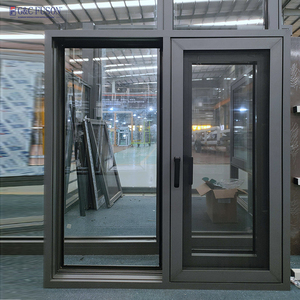
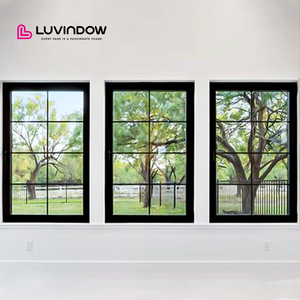
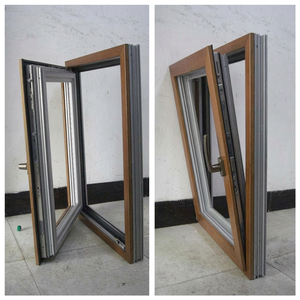
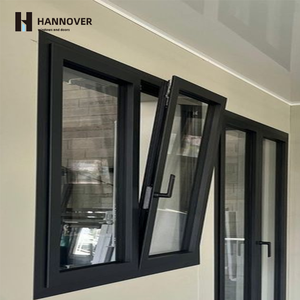
An authoritative evaluation of metallurgical specifications, atmospheric corrosion mitigation, thermal efficiency, and wind load dynamics for commercial and residential developments across the Sri Lankan island environment.
Procuring door and window fenestration systems for Sri Lanka demands a comprehensive understanding of localized environmental stress factors. Sri Lanka’s geography presents extreme atmospheric conditions ranging from aggressive coastal salt spray (marine environments in Galle, Colombo, and Hambantota) to high relative humidity (exceeding 85% year-round) and intense monsoonal wind pressures (South-West and North-East monsoons). Standard residential aluminum sliding doors frequently fail due to oxidized track mechanisms, frame pitting, structural racking under gust loads, and thermal bridging.
To overcome these failure modes, sourcing directly from high-capacity Heavy Duty Aluminum Sliding Doors Factories specializing in customized export-grade extrusions is imperative. Structural profiles constructed from high-tensile 6063-T6 aluminum alloy offer an yield strength superior to standard T5 temper profiles, ensuring structural integrity even under dynamic wind pressure loads exceeding 3000 Pascals (Pa).
Unlike standard mechanically screwed or crimped joints that loosen under continuous usage and atmospheric stress, all frame members and sliding sashes are sigma-welded at every joint. A fully welded corner creates a monolithic metal structure, completely eliminating water ingress channels and structural corner drop.
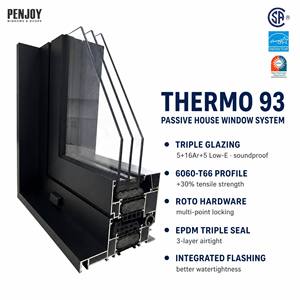
Tropical climates require thermal isolation to prevent solar energy transfer into air-conditioned interior zones. Our heavy-duty sliding door systems incorporate 24mm to 34mm polyamide (PA66GF25) thermal break strips, dramatically lowering the Solar Heat Gain Coefficient (SHGC) and overall U-values.
Coastal salt-fog environments in Sri Lanka digest inferior surface coatings within 24 months. Our factory applies Fluoropolymer (PVDF) or Qualicoat Class 2 powder coatings with a minimum thickness of 25 microns, certified to withstand 3,000+ hours of continuous salt spray testing (ASTM B117).
| Performance Parameter | Standard Commercial Sliding Door | Our Factory Heavy Duty System (Sri Lanka Spec) | Engineering Benefit |
|---|---|---|---|
| Aluminum Alloy & Temper | 6063-T5 (Yield: ~110 MPa) | 6063-T6 Structural Grade (Yield: ~170 MPa) | 55% higher resistance to frame deflection under typhoon winds. |
| Corner Joint Construction | Mechanically Crimped / Screwed | 100% Sigma Welded & Dressed Smooth | Zero water leakage; zero joint distortion over 30+ year lifespan. |
| Track Hardware & Rollers | Standard Nylon Rollers (50kg load) | Heavy-Duty Stainless Steel Quad-Rollers (300kg+ load) | Effortless fingertip glide for massive double/triple-glazed panels. |
| Monsoon Water Tightness | 150 Pa – 300 Pa | 750 Pa High-Sill Drainage System | Prevents indoor water flooding during severe monsoonal storms. |
| Glass Configuration | Single 5mm / Clear Double Glazing | Low-E Double/Triple Glazed + Argon Gas Fill | Cuts indoor HVAC power consumption by up to 35% in tropical heat. |
Engineered for diverse structural typologies across the Western, Southern, and Central Provinces.
Oceanfront hospitality developments require maximum glass openings to offer panoramic Indian Ocean views. However, relentless ocean salt spray corrodes standard hardware. Our heavy-duty sliding doors feature 316-marine-grade stainless steel multi-point locking gear, heavy roller tracks, and anti-corrosive powder finishes that maintain optical brilliance and operation despite continuous exposure to sea mist.
High-rise residential towers in Colombo face immense atmospheric wind pressures at elevated heights. Our reinforced structural mullions, thick-walled 6063-T6 aluminum profiles (up to 3.0mm wall thickness), and acoustic laminated glass packages reduce high-altitude wind noise and ambient city traffic sound while providing absolute structural safety.
In the cooler, humid hill capital regions, thermal insulation and condensation control are critical. Thermally broken aluminum sliding doors with double-glazed Low-E coating trap internal ambient temperature, preventing internal glass sweating and protecting interior teak flooring and drywall finishes from dampness.
High-footfall commercial spaces demand continuous durability. Our heavy-duty bottom tracks are engineered with flush-threshold options for ADA compliance and smooth transit, supported by quad-bogie rollers tested to over 100,000 continuous opening and closing cycles without performance degradation.
The Sri Lankan construction sector is experiencing a massive pivot toward sustainable, high-durability building envelopes. With the rise of high-end boutique tourism, green building certification requirements (SLGBC), and increasing electricity tariffs across the country, developers are abandoning low-grade non-thermal windows in favor of high-performance architectural systems.
Over 60 years of precision metal fabrication experience dedicated to custom-engineered architectural orders.
Every order for Sri Lanka is manufactured 100% to order based on your submittal drawings. Our engineering team prepares detailed CAD shop drawings outlining net frame dimensions, glass bite, weep hole placements, and anchor points prior to metal cutting.
Before crating, every sliding door panel undergoes strict quality checks: frame squareness testing, seal integrity inspection, corner weld ultrasonic testing, and smooth roller operation validation under simulated structural loads.
International shipping demands heavy-duty protection. Products are individually wrapped in protective films, edge-guarded, and secured in fully enclosed plywood crates engineered to resist moisture and sea transport movement.
Partner directly with an established custom manufacturer. Send us your project elevations, architectural schedules, or rough opening sizes for a comprehensive technical proposal and factory-direct quote.
Get a Quote