Engineered for high-rise commercial structures, coastal villas, and luxury residential projects across Bogotá, Medellín, Cartagena, and Cali.
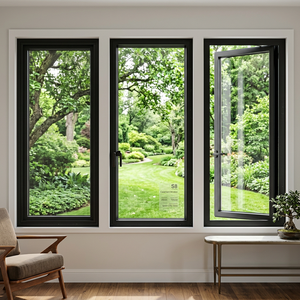
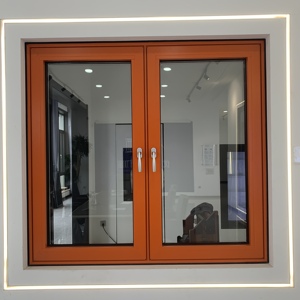
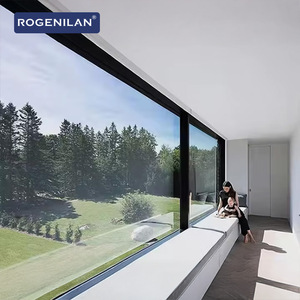
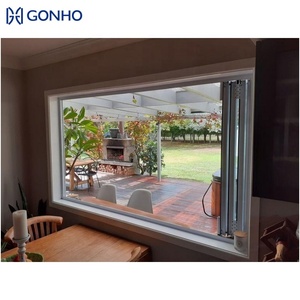
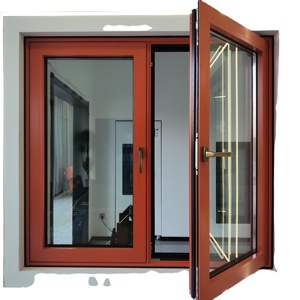
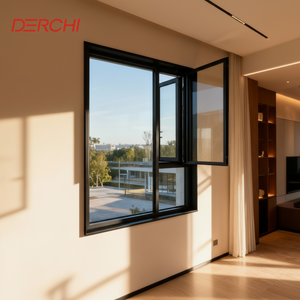
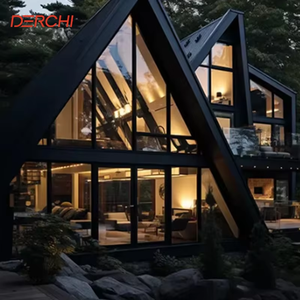
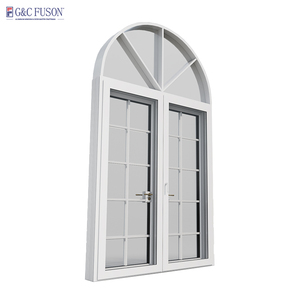
Colombia represents one of the most microclimate-diverse construction landscapes in South America. From the high-altitude, low-temperature, UV-intensive environment of Bogotá (2,640 meters above sea level) to the warm, humid, hyper-saline coastal conditions of Cartagena, Barranquilla, and Santa Marta, fenestration systems imported into Colombia must comply with stringent structural, thermal, and mechanical criteria.
For architectural firms, property developers, and construction procurement managers operating within Colombia, sourcing windows from international exporters requires moving beyond standardized catalogue solutions. Windows must be custom-manufactured to exact submittal shop drawings, utilizing structural 6063-T6 aluminum alloys, robust thermal breaks, and specialized glass glazing matrices engineered to withstand local seismic forces governed by the NSR-10 (Norma Sismo Resistente Colombiana) standard.
Custom aluminum window exporters serving Colombia must tailor profile formulations and glazing specifications to three distinct geographic zones:
A. The High-Altitude Andean Zone (Bogotá, Manizales, Tunja):
Characterized by significant diurnal temperature swings (ranging from 4°C at night to 22°C during peak solar exposure) and aggressive solar irradiance. Fenestration systems in this zone require high thermal resistance to prevent interior heat loss while managing solar gain. Thermally broken aluminum extrusions equipped with 24mm PA66GF25 polyamide insulating bars are vital to prevent thermal bridging and interior frame condensation ("sweating") that damages interior millwork and drywall finishes.
B. The Coastal Tropical Zone (Cartagena, Barranquilla, Buenaventura):
Exposed to high atmospheric salinity (Category C5-M marine environments), intense hurricane-level wind pressures, and constant thermal humidity. Standard vinyl (pVC) or untreated metals disintegrate or yellow rapidly under these conditions. Aluminum window exports specified for coastal Colombia must feature 70% Fluoropolymer PVDF (Kynar 500) surface coatings or anodized finishes rated for over 3,000 hours of continuous salt fog exposure. Furthermore, integration of laminated impact glass compliant with Miami-DADE NOA standards ensures resilience against extreme wind-driven rain loads.
C. The Intermediate Valleys (Medellín, Cali, Bucaramanga):
Known for temperate climates where natural ventilation, maximum daylighting, and acoustic isolation are prioritized. In dense metropolitan zones like El Poblado in Medellín, urban traffic noise necessitates high STC (Sound Transmission Class) ratings. Laminated glass configurations utilizing acoustic Polyvinyl Butyral (PVB) interlayers combined with heavy-duty tilt-and-turn operational hardware provide optimal ambient sound dampening exceeding 40 dB.
A technical comparison of factory-direct custom manufacturing versus mass-market window alternatives.
Unlike vinyl that warps under direct tropical sunlight or timber that rots in extreme humidity, extruded 6063-T6 structural aluminum maintains exact dimensional stability under load, resisting sagging, twisting, and atmospheric degradation over decades.
Mechanically screwed window corners rely on rubber gaskets and sealants that dry out, split, and leak under structural stress. Our profiles feature continuous Sigma-welded corners dressed smooth, fusing the frame into a single continuous piece of structural metal.
Incorporating multi-chamber thermal breaks filled with high-density polyamide insulation, paired with argon-filled double or triple glazing packages, reducing thermal exchange by up to 65% and keeping interior spaces whisper-quiet.
Below is an architectural performance breakdown comparing standard domestic profiles against our exported specification-grade custom aluminum window systems.
| Performance Metric | Standard Commercial Window | Our Export Specification (6063-T6) | Architectural Relevance for Colombia |
|---|---|---|---|
| Structural Alloy Grade | 6063-T5 or Recycled Scrap Al | 6063-T6 Virgin Billet Alloy | High shear strength for wind loads & high-rise structural demands. |
| Corner Joinery Method | Mechanical Screwed & Crimped | 100% Full Sigma Welded Joints | Prevents corner gap separation caused by seismic drift (NSR-10). |
| Acoustic Insulation (STC) | 24 - 28 dB (Single Glass) | 38 - 45+ dB (Double Laminated) | Crucial for urban projects in high-density corridors like Medellín & Bogotá. |
| Thermal Transmittance (U-Value) | 3.8 - 4.5 W/m²K | 1.4 - 1.8 W/m²K (Thermal Break) | Reduces HVAC cooling loads in coastal zones and retains heat in Andean zones. |
| Corrosion Resistance | Standard Powder Coating (500 hrs) | 70% PVDF / Anodized (3000+ hrs) | Resists salt air oxidation in oceanfront developments (Cartagena/Santa Marta). |
| Hardware Durability | Generic Zinc Castings | Stainless Steel 304 / German Multi-Point | Prevents hardware failure, sagging sashes, and air infiltration over time. |
Importing custom architectural windows into Colombia requires strict adherence to international shipping protocols, DIAN customs documentation, and protective packaging methods to ensure zero damage during maritime transit.
Before any raw aluminum profile is cut, our engineering shop generates detailed submittal shop drawings derived from your architect’s CAD files or site elevation schedules. Every net opening dimension, frame depth, glass bite clearance, drainage weep location, and swing orientation is confirmed in writing. This eliminates costly field modifications at job sites in Colombia.
Extrusions are precision-cut, notch-milled, and sigma-welded at every frame and sash connection. Thermal break profiles undergo automated polyamide crimping. Insulated glass units (IGUs) are constructed with dual perimeter seals (polyisobutylene primary seal and silicone secondary seal) to guarantee argon retention before being pre-glazed into frames.
Windows traveling via ocean freight to Colombian ports (such as Puerto de Buenaventura on the Pacific coast or Puerto de Cartagena on the Atlantic coast) undergo rigorous export wrapping. Frames are fitted with heavy-duty corner protectors, wrapped in scratch-resistant protective film, and sealed inside fully enclosed, fumigated solid wooden crates engineered for crane handling and containerized transport.
We provide full export documentation packs tailored for Colombian customs (DIAN - Dirección de Impuestos y Aduanas Nacionales), including Commercial Invoices, Detailed Packing Lists with HS Tariff Codes (e.g., HS 7610.10 for aluminum doors and windows), Certificates of Origin, and Bills of Lading (B/L) to streamline customs clearance and tax assessment.
Connect directly with our senior fenestration engineers to review your architectural drawings, request factory-direct wholesale pricing, or receive custom CAD submittal elevation schedules.