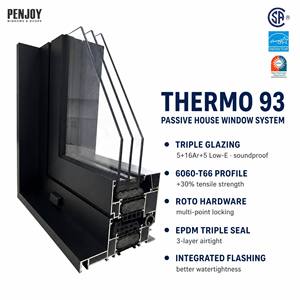
Engineered from 6063-T6 alloy with sigma-welded joints, multi-point lock operators, and high-performance Low-E thermal barrier integration built to withstand Pacific Northwest moisture.
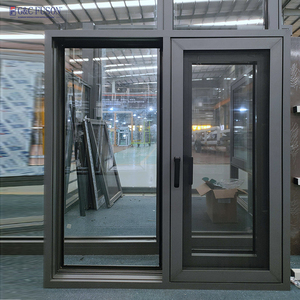
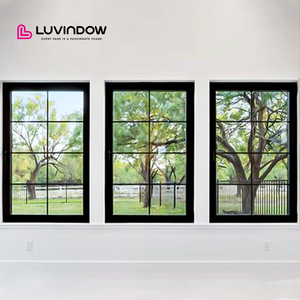
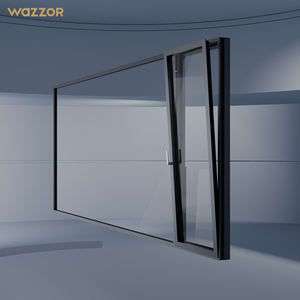
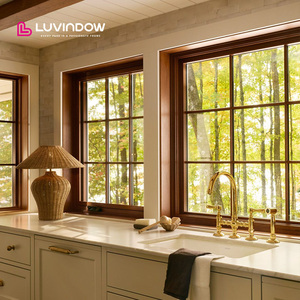
A comprehensive technical evaluation for North American glazing contractors, real estate developers, and architectural firms sourcing high-integrity window operating hardware from Chinese manufacturing hubs.
Architectural fenestration specified for the Greater Seattle region—spanning King, Pierce, and Snohomish counties—operates under demanding climatic stress. Designated under IECC Climate Zone 4C (Marine), Seattle experiences extended seasonal rainfall (average 38 inches annually), high ambient humidity, elevated wind-driven rains from Puget Sound, and persistent salt-fog exposures along waterfront properties in Bainbridge Island, Mercer Island, and Elliott Bay.
In this atmospheric landscape, window hardware cannot be treated as a decorative afterthought. A window handle serves as the primary mechanical interface of a fenestration assembly. It executes compression seals against weather-stripping, actuates multi-point locking transmission gearbars, and maintains structural tension against wind load forces exceeding 50 PSF. Standard commercial handles fabricated from low-grade zinc alloys or coated with subpar liquid paints frequently exhibit micro-pitting, oxidative white rust, mechanical lever slop, and catastrophic gear tooth shear within 24 to 36 months of coastal installation.
Leading Chinese window handle manufacturers serving the Pacific Northwest market have systematically elevated their metallurgical formulations, surface treatment electro-chemistry, and kinematic gear design to exceed North American AAMA (American Architectural Manufacturers Association) standards. This white paper breaks down the critical engineering criteria required when procuring window handles and compatible thermal-break profile systems from premier Chinese factories.
Evaluating material yield strength, corrosion kinetics, and cycle life across primary handle manufacturing substrates.
| Material Substrate | Tensile Strength (MPa) | Corrosion Resistance Method | ASTM B117 Salt Spray Hours | Ideal Seattle Application Zone |
|---|---|---|---|---|
| Extruded 6063-T6 Aluminum | 241 MPa | Fluorocarbon PVDF (3-Coat Spray) / 25μm Anodized | 1,000+ Hours (Zero Pitting) | Coastal Waterfront, High-Rise Curtain Walls |
| High-Purity Zinc Alloy (ZAMAK 3 / ASTM B86) | 280 MPa | Electrostatic Powder Coat / Multi-Layer Electroplating | 500 - 800 Hours | Urban Residential Condos, Suburban Single Family |
| 304 / 316 Marine-Grade Stainless Steel | 515 MPa | PVD (Physical Vapor Deposition) Titanizing / Passivated | 1,500+ Hours | Severe Marine Exposures, Puget Sound Shorelines |
| Standard Recycled Aluminum Die-Cast | 160 MPa | Standard Acrylic Liquid Paint | < 150 Hours (High Failure Rate) | Non-conditioned storage (Not recommended) |
For Seattle fenestration projects, surface treatment durability dictates whether a handle retains its tactile smooth touch and aesthetic color depth or suffers from UV chalking and blistering. Premier Chinese factories utilize advanced dual-process finishing:
Understanding the internal gear linkage, spindle drives, and European C-Groove integration required for zero-fault window performance.
Integrated with steel drive-gear transmission rods (C-groove hardware tracks), turning the handle 90 degrees engages 3 to 6 mushroom locking cams simultaneously into heavy-duty keep plates along the window perimeter, ensuring uniform Gasket Compression under high Seattle wind forces.
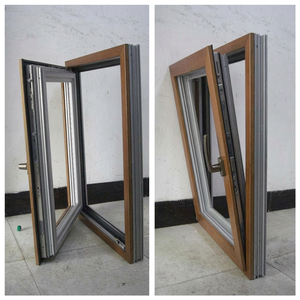
Dual-function ergonomic handles designed for 180-degree rotation. At 90 degrees, the sash swings inward for full ventilation and safe indoor glass cleaning; at 180 degrees, it tilts inward from the top, providing draft-free, rain-protected ventilation suitable for wet Pacific Northwest days.
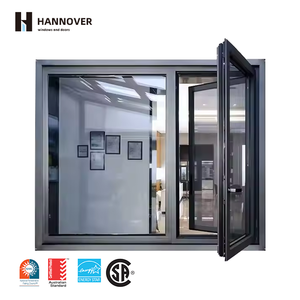
Compatible with solid 6063-T6 aluminum window profiles featuring fully sigma-welded corner construction. Eliminates frame flex and racking, ensuring that hardware spindles alignment remains perfectly true over decades of continuous operation.
Custom hardware solutions tailored to specific regional zoning, energy code standards, and modern architectural typologies.
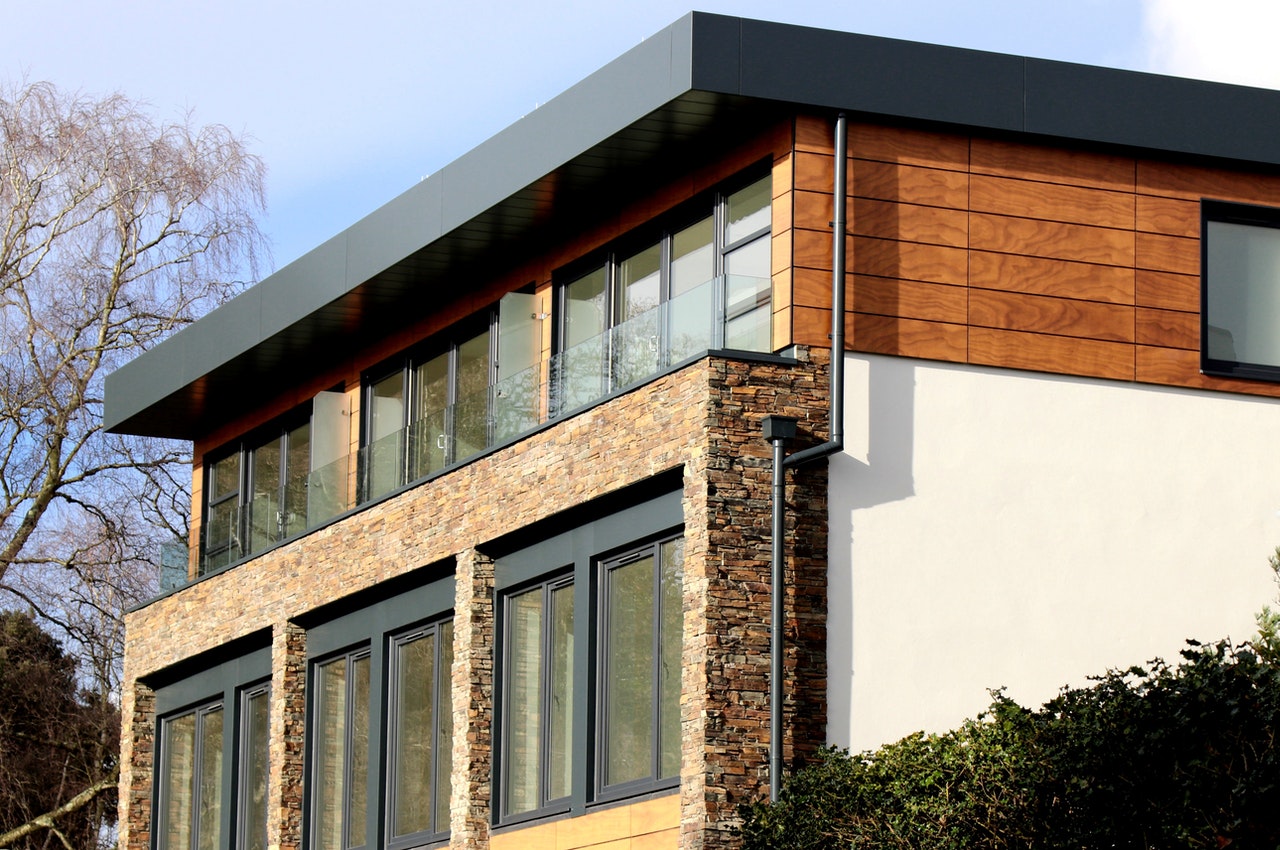
Urban high-density developments require high acoustic isolation (STC ratings of 38+) and wind-load stability at elevated floor levels. China factories supply ultra-slim profile handles engineered with 7mm square steel drive spindles and key-locking restrictors to satisfy mandatory Washington State egress and child-safety codes without compromising sleek architectural sightlines.
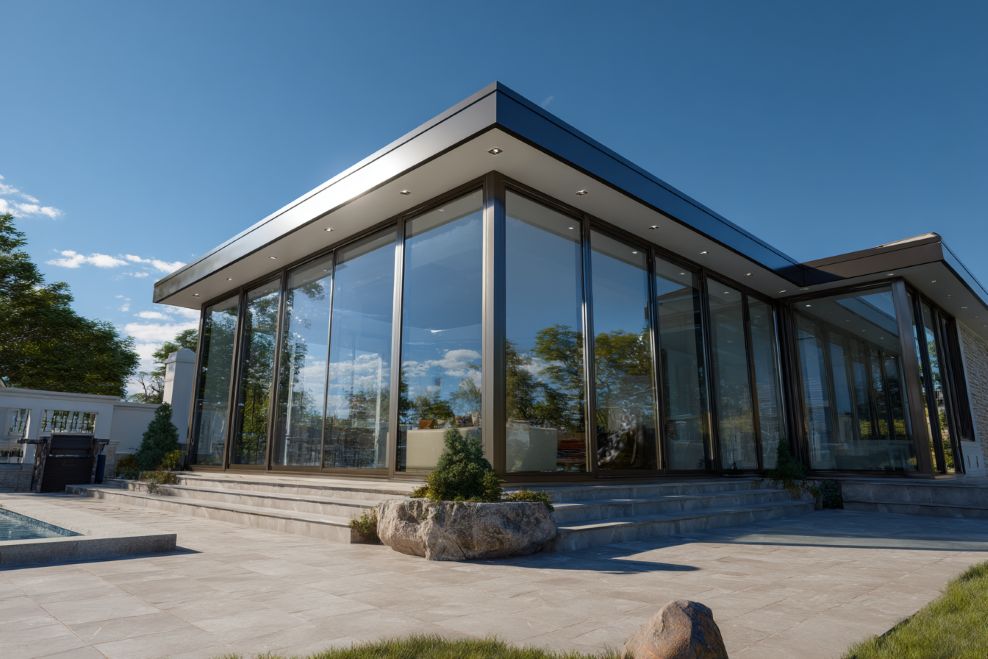
Direct exposure to saltwater mist and severe winter gales demands 316-grade stainless steel handle assemblies paired with polyamide (PA66GF25) thermal break profiles. Custom operators feature double-friction hinges and heavy-duty crank handles capable of driving large triple-glazed Low-E insulated glass units weighing up to 120kg per sash.
How strict Washington State Energy Codes (WSEC 2021) and modern aesthetic preferences are reshaping window hardware manufacturing specifications.
WSEC 2021 requires window assemblies to reach U-factors ≤ 0.24 BTU/h·ft²·°F. To prevent thermal bridging through hardware mounting points, advanced Chinese suppliers incorporate non-conductive composite baseplates and isolated nylon isolation washers within handle mounting assemblies.
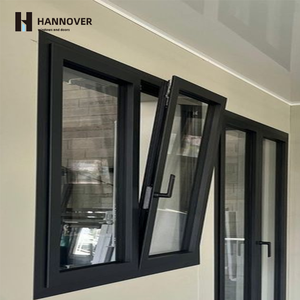
Modernist West Coast design favors minimal visual clutter. Demand has surged for flush-mounted rosette handles, pop-out turning levers, and concealed tilt-and-turn hinges that hide all mechanical pivot points within the sash frame profile when closed.
Seattle commercial and multi-family projects mandate compliance with ADA accessibility guidelines. Handles are engineered with extended lever arms requiring less than 5 lbf operating force, permitting single-handed operation without tight pinching or twisting of the wrist.
Combining 60+ years of structural aluminum craftsmanship with automated die-casting, custom OEM tooling, and rigorous QA protocol.
Our partner manufacturing facilities operate under certified ISO 9001:2015 and ISO 14001 environmental management frameworks, providing end-to-end traceability from raw ingot to final export crating.
Get a Quote
Every handle series undergoes rigorous pneumatic fatigue testing. Operating levers are subjected to continuous opening and closing cycles under load to verify that internal spring cassettes and gear drives suffer zero deformation or mechanical failure over decades of daily resident use.

By sourcing handles designed directly alongside thermal break aluminum window profiles and insulated glass packages, developers eliminate field installation mismatch, misaligned spindle heights, or improper gasket compression ratios during jobsite assembly.
Answers to common technical, shipping, and architectural specification queries raised by U.S. B2B buyers.
Solid 6063-T6 aluminum and high-purity zinc alloy (ZAMAK 3) hold strict dimensional tolerances under extreme temperature fluctuations, thermal stress, and structural wind loads. Unlike plastic or vinyl composite handles that degrade, warp, and discolor under UV exposure, metal window handles maintain high mechanical strength, operate smoothly against multi-point locking tension, and provide a long-lasting architectural finish.
For coastal exposures within 3 miles of saltwater (such as Bainbridge Island, West Seattle, or Edmonds), we strongly recommend Fluorocarbon (PVDF) 3-coat finishes or 316-grade stainless steel hardware passivated and titanized via PVD. These finishes achieve over 1,000 to 1,500 hours in ASTM B117 salt spray chamber testing without surface oxidation or blistering.
Yes. Custom fabrication to architect submittal drawings is standard operational practice. Chinese factories utilize precision CNC milling, EDM wire cutting, and custom die-mold casting to match specific spindle length drives, mounting screw center-to-center dimensions, profile C-groove depths, and specialized brand keyways.
Suppliers offer handles with integrated key locks, 90-degree push-button limiters, and detachable safety restrictor stays designed to meet ASTM F2090 safety standards for window fall prevention while permitting emergency egress clearance required by local Seattle municipal building codes.
Standard manufacturing lead times for custom tooling and surface-finished production range from 15 to 25 days depending on order volume. Direct sea freight container transit from major ports (Ningbo, Shanghai, Shenzhen) to the Port of Seattle typically takes 14 to 18 days, allowing for reliable project scheduling.
A window handle connected to a multi-point locking drive pulls the sash tightly against multi-lip EPDM weather gaskets across all four sides of the frame. This tight compression seal eliminates air infiltration and water leakage under wind pressure, preserving the overall U-factor of the insulated thermal break window assembly.
Connect with our technical engineering team to request sample hardware kits, factory submittal drawings, metallurgical test reports, and direct factory quotation for your upcoming project.