Engineered with high-tensile 6063-T6 structural alloy, multi-chamber thermal barriers, and advanced hurricane/monsoon-resistant sealing systems.
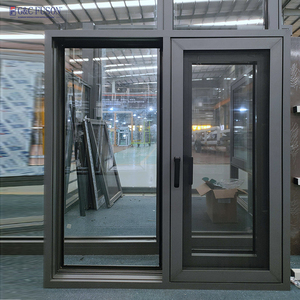
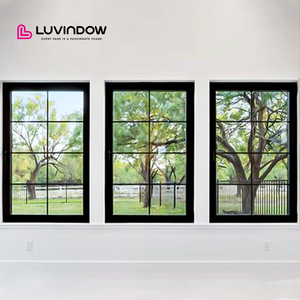
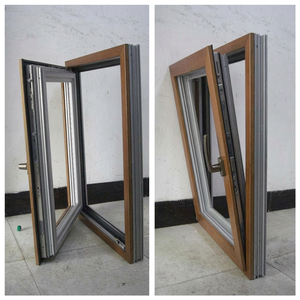
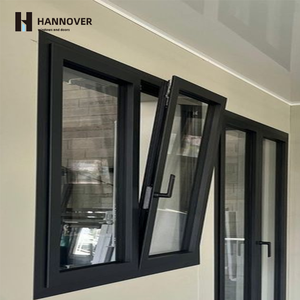
A comprehensive examination of material science, structural yield limits, and thermal barrier engineering designed to meet the rigorous demands of Kuala Lumpur's high-density skyline.
Aluminum alloy 6063 (composed of 0.2–0.6% Silicon and 0.45–0.9% Magnesium) is specifically formulated for architectural extrusions requiring high surface smoothness and structural durability. The T6 temper indicates solution heat treatment followed by artificial aging at 175°C to 190°C. This process precipitates Magnesium Silicide (Mg₂Si) uniformly throughout the metal matrix, elevating yield strength to ≥170 MPa and ultimate tensile strength to ≥205 MPa. For real estate developments in Kuala Lumpur—where wind velocity pressure at 200+ meters elevation frequently exceeds 2.5 kPa—6063-T6 provides the critical flexural rigidity required to eliminate frame deflection under extreme wind loads.
Compliance with European Standard EN 14351-1 is non-negotiable for premier international developments. Our aluminum window frame systems undergo third-party laboratory verification under strict Construction Products Regulation (CPR) protocols. Mandatory testing criteria include Air Permeability (EN 12207 Class 4), Watertightness under Dynamic Pressure (EN 12208 Class E1050—resisting continuous 1050 Pa water spray), Wind Load Deflection (EN 12210 Class C5), and Mechanical Load Durability (EN 12400 Class 3). CE certification guarantees that every structural profile exported to the Klang Valley market maintains identical quality metrics to units specified across the European Union.
Traditional aluminum window frames rely on mechanical corner cleats with mitered screws and chemical sealants. Over time, diurnal thermal expansion cycles in tropical climates cause sealant degradation, opening micro-gaps that permit rainwater infiltration. Our manufacturing process utilizes Sigma-Welded Corner Technology. Aluminum frame joints are precision-mitered and gas-shielded fusion welded along all interior structural webs. The welded corner is subsequently CNC-dressed smooth. This forms a continuous, monolithic metallic structure. A Sigma-welded joint possesses 100% of the base metal strength, entirely eliminating corner joint separation, frame racking, and water intrusion pathways for the lifespan of the building.
| Performance Standard / Metric | Standard Commercial Window (6063-T5) | Our CE Certified System (6063-T6) | Kuala Lumpur Building Impact |
|---|---|---|---|
| Ultimate Tensile Strength | 150 - 160 MPa | ≥ 205 MPa | Prevents frame bowing under high-rise wind loads in KLCC & Mont Kiara. |
| Corner Joint Integrity | Mechanically Crimped + Silicone Sealant | Full Sigma-Welded Monolithic Fusion | Zero water leakage during intense afternoon monsoonal downpours. |
| Watertightness Rating | Class 5A (200 Pa) | Class E1050 (1050 Pa Continuous) | Resists severe wind-driven rain penetration up to 150 km/h gusts. |
| Thermal Barrier Insulation | None or Low-grade PVC Inserts | PA66GF25 Polyamide Structural Struts | Reduces interior HVAC solar heat gain coefficient (SHGC) significantly. |
| Salt Spray Corrosion Test | 500 Hours (ASTM B117) | 3000+ Hours Qualicoat Class 2 PVDF | Resists high tropical humidity and atmospheric pollutant degradation. |
Analyzing thermal dynamics, monsoonal rainfall vectors, and urban acoustic damping demands across Kuala Lumpur's key residential & commercial sectors.
Kuala Lumpur’s high-rise luxury residential towers face severe wind pressures and intense solar exposure above the 20th floor. Standard non-thermally broken frames act as thermal conductors, transferring exterior equatorial heat directly into air-conditioned interiors. Our 6063-T6 thermal break windows incorporate 24mm to 34mm PA66GF25 polyamide glass-fiber reinforced insulation strips. Paired with double-laminated Low-E glass (6mm Toughened + 1.52PVB + 6mm Low-E), solar heat gain (SHGC) is reduced to 0.22, cutting residential HVAC power consumption by up to 35% in high-rise developments.
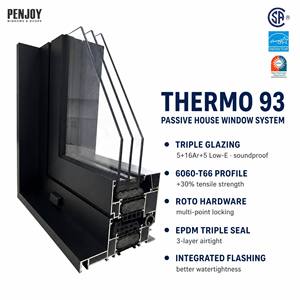
Tropical downpours in Damansara Heights, Kenny Hills, and Bukit Tunku deliver sudden rainfall intensities exceeding 100 mm/hour, combined with horizontal wind gusts. Standard sliding and casement frames without pressure-equalized drainage chambers flood weep holes, driving water over interior sills. Our frames utilize stepped multi-cavity profiles with hidden, gravity-check non-return drainage valves. Integrated continuous EPDM gasket lines form three independent weather seals (Exterior rain barrier, acoustic chamber, interior air seal), guaranteeing zero water ingress even under 1050 Pa static water head pressure.
Developments situated adjacent to major urban arterial routes—such as Jalan Tun Razak, Jalan Ampang, or elevated LRT/MRT lines—suffer from low-frequency traffic noise pollution (50 Hz – 400 Hz). Standard single glass windows achieve only STC 25-28 dB sound isolation. By combining our rigid, non-resonant 6063-T6 multi-chamber aluminum profile with asymmetric laminated acoustic glass units (6mm Clear + 0.76 Acoustic PVB + 8mm Clear), acoustic transmission is attenuated by STC 42 dB to STC 45 dB, creating serene interior indoor acoustic environments.
How low-carbon extrusion processes and thermal window envelopes directly contribute to GBI certification and ESG compliance for Malaysian property developers.
Malaysia's Green Building Index (GBI) awards significant points for Energy Efficiency (EE) and Indoor Environmental Quality (EQ). Specifying our CE-certified thermally broken 6063-T6 aluminum windows directly assists architectural teams in securing higher GBI Gold or Platinum ratings. Our profiles boast an overall frame U-factor as low as 1.4 W/(m²·K). By minimizing the overall Envelope Thermal Transfer Value (ETTV) of commercial glass facades, developers lower initial chiller equipment sizing requirements and ongoing operational carbon footprints.
Modern architectural aesthetics in Kuala Lumpur favor minimal frame exposure with maximum floor-to-ceiling glass expanses. Achieving slender sightlines without compromising structural strength requires exceptional mechanical properties. The high yield strength of our heat-treated 6063-T6 alloy allows profile face widths to be reduced to just 45mm while supporting heavy triple-glazed glass loads up to 180 kg per sash. Architects achieve unobstructed views of the KL skyline without risking structural frame deflection or hinge sagging over time.
Combining legacy metallurgical craftsmanship with fully automated European CNC processing lines to serve global building contractors and procurement entities.
Every project ordered for the Malaysian market is fabricated strictly to custom shop submittal drawings. Our engineering team converts architectural elevations into 3D CAD/BIM models, verifying structural wind load calculations, glass bite depths, anchor spacing, and egress clearance before a single metal profile is cut.
To combat Kuala Lumpur’s aggressive atmospheric humidity and UV index (often reaching UV level 11+), our profiles undergo a 3-coat 70% Kynar 500 / Hylar 5000 PVDF fluorocarbon spraying process. Certified to AAMA 2605 standards, this surface coating resists chalking, color fading, and chemical degradation for over 25 years.
We maintain standardized sea-freight export packaging protocols. Windows are wrapped in protective polyethylene films, edge-corner guarded, and locked inside ISPM-15 compliant fumigated wooden crates. Direct container loading ensures seamless customs clearance at Port Klang and site delivery across the Klang Valley.
Addressing common technical, regulatory, shipping, and architectural specification queries for B2B importers and developers in Kuala Lumpur.
In Kuala Lumpur's equatorial climate, timber frame profiles swell, warp, and split under high humidity and thermal cycling, requiring continuous scraping, painting, and chemical seal treatments. uPVC frames exhibit high thermal expansion coefficients, leading to sash sagging and frame yellowing under prolonged tropical UV exposure. Solid 6063-T6 aluminum maintains absolute structural dimension under heat and humidity, supports significantly larger glass packs with narrower sightlines, and eliminates ongoing frame maintenance costs over a 50+ year service life.
A thermal break is a low-conductivity structural insulator (such as PA66GF25 polyamide) inserted between the exterior and interior aluminum extrusion profiles. While Kuala Lumpur does not experience freezing winter temperatures, thermal breaks are essential for air-conditioned luxury residences and commercial offices. They block exterior ambient heat (32°C–36°C) from transferring into cooled interiors (20°C–22°C). This prevents frame sweating (dew-point condensation on interior aluminum faces) and drastically reduces monthly HVAC electricity expenditure.
Traditional mechanically crimped corners rely on internal aluminum brackets fastened with screws and sealed with liquid silicone. Diurnal thermal movement eventually breaks the silicone bond, creating concealed microscopic paths for wind-driven rain. Sigma-welded joinery uses gas-shielded fusion welding to weld every profile web and frame corner together into one continuous solid piece of aluminum. Because there are no mechanical seams or degrading sealants, welded corners cannot loosen, rack, or leak water under any monsoon weather conditions.
Yes. CE Certification under EN 14351-1 tests for structural wind resistance, water tightness, air permeability, and load-bearing safety—exceeding the structural requirements set by Malaysia's Uniform Building By-Laws (UBBL). Furthermore, our technical submittal packages include comprehensive structural calculations, wind load test reports, and glass stress analysis suitable for submission to CIDB registered consultants and local municipal authorities (DBKL).
Absolutely. We operate 100% custom fabrication lines tailored to exact architectural schedules. There are no mandatory stock size restrictions. We manufacture fixed window walls, casements, awnings, tilt-and-turn units, parallel opening windows, and multi-track heavy-duty sliding systems. Submit your architectural window schedules, CAD drawings, or rough opening dimensions, and our engineering department will produce detailed shop drawings for sign-off before production begins.
Once shop drawings are approved in writing, standard factory manufacturing takes approximately 20 to 25 days depending on project volume and custom powder-coating specifications. Ocean freight transit from our port to Port Klang typically requires 7 to 10 days. All shipments include full commercial documentation, packing lists, Certificate of Origin (COO), and CE compliance certificates to enable seamless custom clearance by your logistics freight forwarder in Malaysia.
Partner with an established manufacturer of CE-certified 6063-T6 aluminum window and door systems. Connect directly with our engineering sales team to receive CAD details, test reports, and project quotes for your Kuala Lumpur development.