
1. The Metallurgy & Structural Engineering of Coastal Metal Windows
Coastal environments (categorized as C4 to C5-M extreme marine corrosive atmospheres under ISO 12944) present a severe structural challenge to exterior window frames. Standard commercial aluminum windows fabricated from secondary recycled alloys or unverified scrap often contain micro-inclusions of zinc and iron. When exposed to constant ocean spray and high humidity, these impurities trigger rapid intergranular corrosion and surface pitting.
At The Metal Window, every coastal home metal window profile is exclusively extruded from prime 6063-T6 aluminum alloy. 6063-T6 is an architectural magnesium-silicon alloy heat-treated to a T6 temper, delivering an optimal tensile strength of 215 MPa (31,000 psi) and yield strength of 170 MPa (25,000 psi). This metallurgical composition provides exceptional structural rigidity for expansive glass panes while maintaining superior innate resistance to atmospheric oxidation.
Information Gain: Mechanical Screws vs. Continuous Sigma-Welded Joints in Coastal Zones
Most mass-market metal windows rely on corner cleats, mechanical screws, and injected silicone sealants to join frame corners. Under repeated hurricane-force wind cycles (cyclic loading), mechanical joints flex. This flexing breaks the fragile internal silicone bead, creating micro-crevices where trapped salt crystals trigger crevice corrosion and water leaks. In contrast, sigma welding (Shielded Inert Gas Metal Arc Welding) fuses the 6063-T6 aluminum profile members into a single continuous metallurgical body. The welded corner transfers structural loads across the frame as one monolithic section, permanently eliminating joint gap movement, air infiltration, and water intrusion.
Technical Specification Matrix: Coastal Windows Comparison
| Engineering Parameter | Standard Commercial Aluminum Window | Marine-Grade Coastal Home Metal Window |
|---|---|---|
| Aluminum Alloy & Temper | Recycled / Mixed Grade 6063-T5 | Solid Prime 6063-T6 Structural Alloy |
| Frame Joinery Method | Mechanical Screws & Corner Cleats | 100% Continuous Sigma-Welded Corners |
| Salt Spray Resistance (ASTM B117) | 500 to 1,000 Hours (Standard Powder Coat) | 3,000 to 4,000+ Hours (AAMA 2605 70% PVDF / Class I) |
| Thermal Isolation System | Unbroken Frame or Basic Resin Pour | Polyamide Strut Isothermal Thermal Break |
| Water Penetration Resistance | 300 Pa - 450 Pa (Moderate Leaks) | 720 Pa+ (Design Pressure DP50 to DP100 Rated) |
| Insect Screen Frame | Flimsy Plastic Clip-in Rollers | Heavy Duty Roll-Formed Aluminum, 16x18 Mesh |
2. Recommended Marine-Grade Metal Window Systems for Coastal Homes
Selecting the right architectural operating style is critical for managing ocean breezes, structural wind resistance, and seamless indoor-outdoor coastal living. Below are our top engineered fenestration recommendations designed specifically for oceanfront residences.
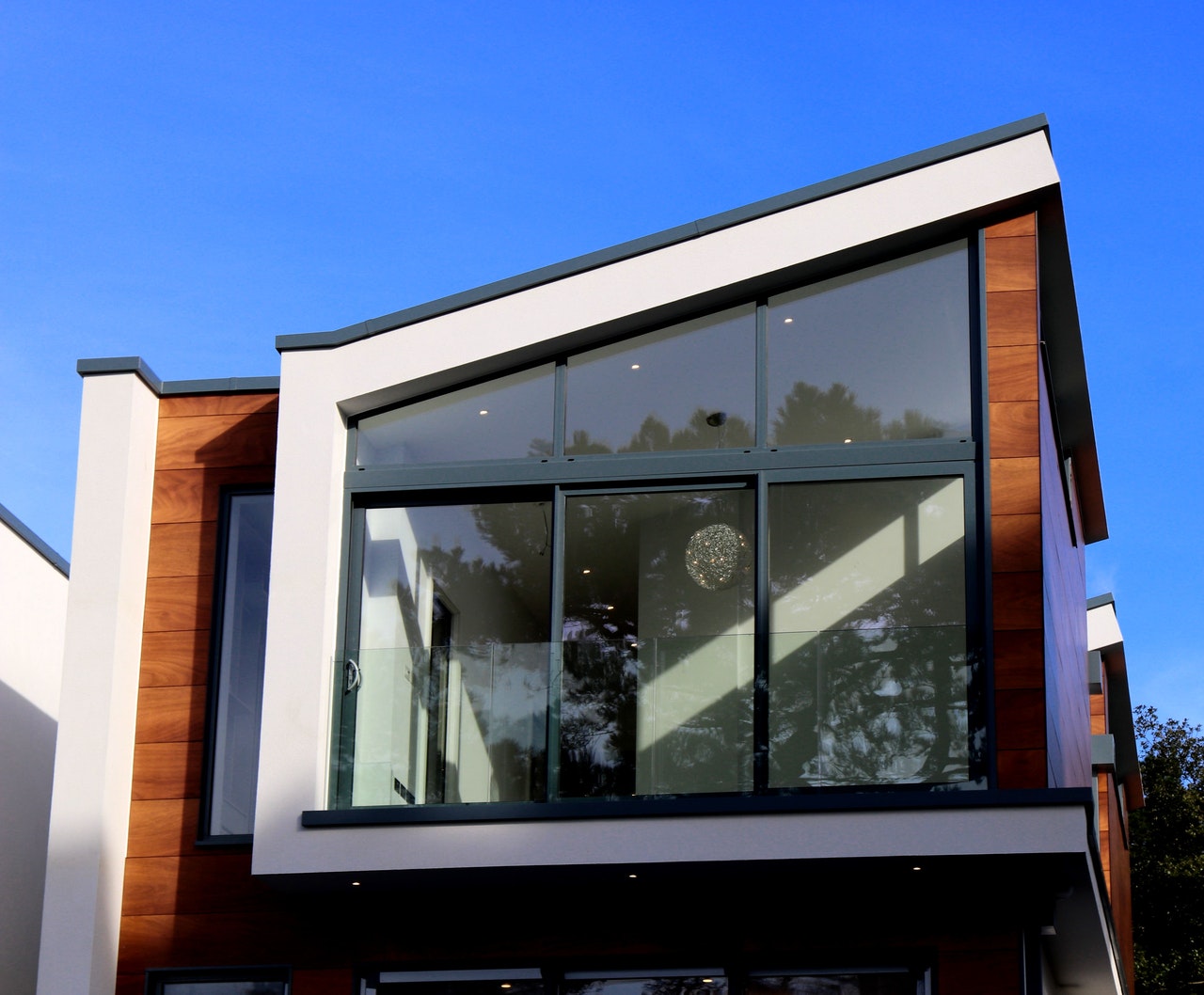
Thermally Broken Coastal Casement & Awning Windows
Engineered for maximum air-tightness against ocean gales. Multi-point stainless steel locking hardware compresses heavy EPDM perimeter gaskets tightly against the 6063-T6 frame.
- Continuous sigma-welded frame corners
- Integrated polyamide thermal isolators
- Outswing design harnesses wind pressure for tighter seals
- Narrow sightlines for uninterrupted ocean views
Heavy-Duty Coastal Sliding Metal Windows & Doors
Designed to support massive floor-to-ceiling glass lites. Features deep sub-sill drainage channels, stainless steel tandem rollers, and multi-track configurations built for salt-air exposures.
- Precision CNC machined aluminum track profiles
- Marine-grade 316 stainless steel roller assemblies
- Dual-barrier weather-stripping against wind-driven spray
- Low-threshold transition options for covered patios
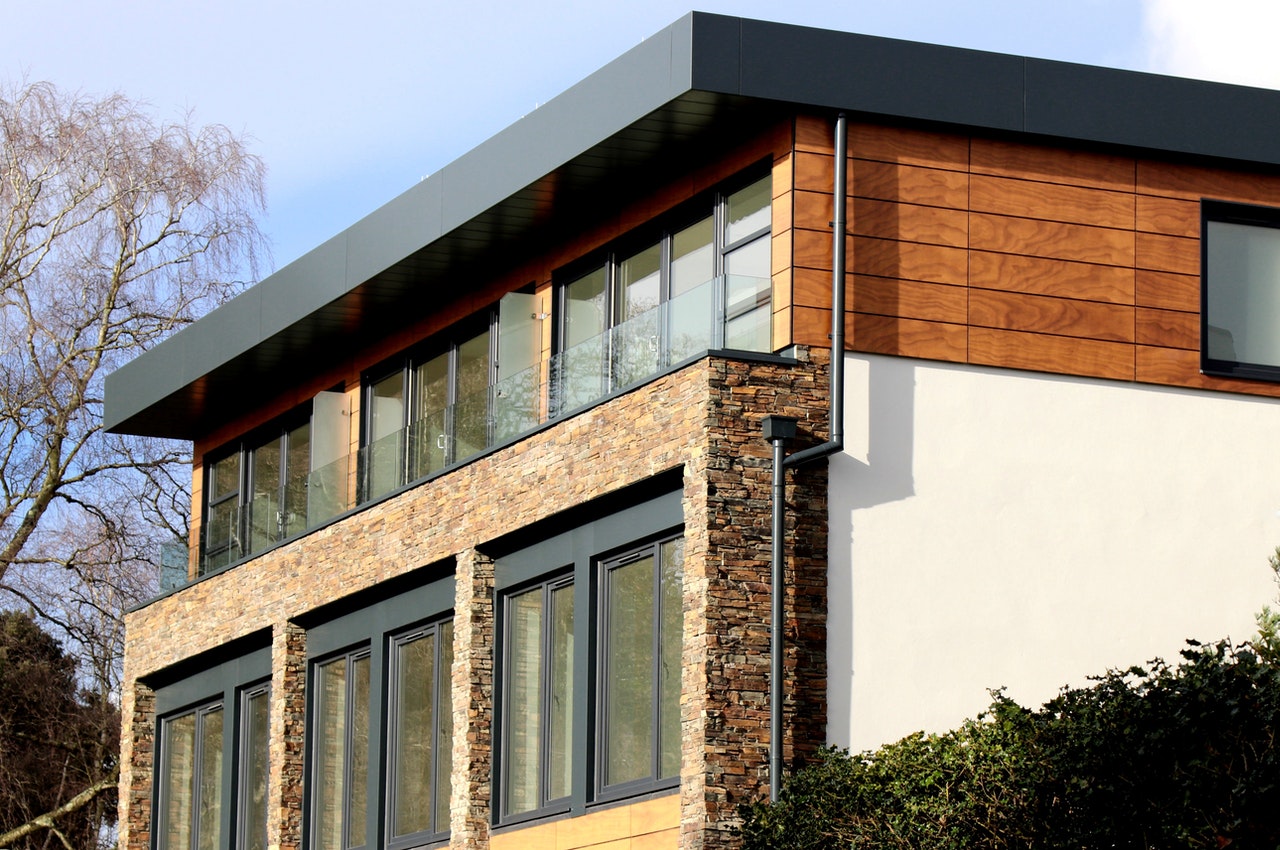
Fixed Picture & Oversized Structural Coastal Windows
Maximizes natural daylight while providing unmatched structural rating. Ideal for high-exposure multi-story coastal elevations requiring large expanse glass panes.
- Extruded 6063-T6 deep-profile glazing pockets
- Supports heavy triple-pane laminated oceanfront glass
- Custom true-divided or simulated muntin options
- AAMA 2605 high-performance PVDF finish standard

Roll-Formed Aluminum Screen Assemblies
Custom bug screens manufactured in flat and long-leg styles. Built with heavy gauge roll-formed aluminum frames and 16x18 charcoal fiberglass mesh for sea breeze ventilation.
- High-tensile charcoal fiberglass mesh (16 x 18 weave)
- UV-stabilized vinyl spline holding system
- Retained with traditional stainless screen clips
- Tool-free removal for effortless cleaning and maintenance
3. Global Procurement Trends in Coastal Metal Fenestration
As global architectural standards evolve under climate volatility and strict energy codes, procurement directors, developers, and international importers face a changing landscape in window specification. Below are the key strategic procurement trends shaping the industry:
A. Decarbonization & Embodied Carbon Compliance (EPDs)
International building codes (such as the EU Energy Performance of Buildings Directive and US LEED v4.1 certifications) now mandate full life-cycle carbon assessments. Timber fenestration demands continuous chemical resealing, while PVC/vinyl windows rely on non-recyclable petroleum feedstocks that release toxic phthalates when degraded by high coastal UV radiation. In contrast, architectural metal windows crafted from 6063-T6 aluminum are infinitely recyclable without structural degradation. B2B buyers are increasingly prioritizing aluminum manufacturers with verified circular supply chains and low embodied carbon footprints.
B. Digital Twin Integration & AI-Driven BIM Workflows
Modern global procurement relies on precision Building Information Modeling (BIM). Global developers require manufacturers to supply exact LOD 350 (Level of Development) digital twin models complete with thermal bridging values, structural wind-load parameters, and glazing performance metadata. Providing precise custom shop drawings and CAD/BIM integration early in the design phase prevents costly site modification delays during installation.
C. Severe Microclimate Adaptation & Elevating Design Pressure (DP) Ratings
Coastal zones are experiencing higher storm surges and violent wind velocities. Global buyers are moving away from regional baseline standards (like DP30) toward high-velocity hurricane specifications (DP50 to DP100). Metal window assemblies must now prove structural performance under cyclic pressure testing (ASTM E1886/E1996), proving that frames remain structurally sound even after impact from windborne debris.
4. Technical & Engineering Development Trends in Coastal Fenestration
Technological advancement in metal window fabrication has fundamentally disproven the historical myth that metal frames are thermally inefficient. Modern engineering breakthroughs include:
1. Polyamide Isothermal Barriers & Aerogel Infill
Early metal windows suffered from conductive thermal loss because raw aluminum rapidly transfers cold and heat. Modern coastal home metal windows incorporate structural polyamide 66 (PA66) glass-fiber reinforced thermal struts. Polyamide has an identical thermal expansion coefficient to aluminum, ensuring the joint never loosens during rapid coastal temperature fluctuations. Advanced high-efficiency profiles further incorporate insulating aerogel or expanded polyurethane within the internal extrusions, lowering overall frame U-factors to under 0.25 BTU/hr·ft²·°F.
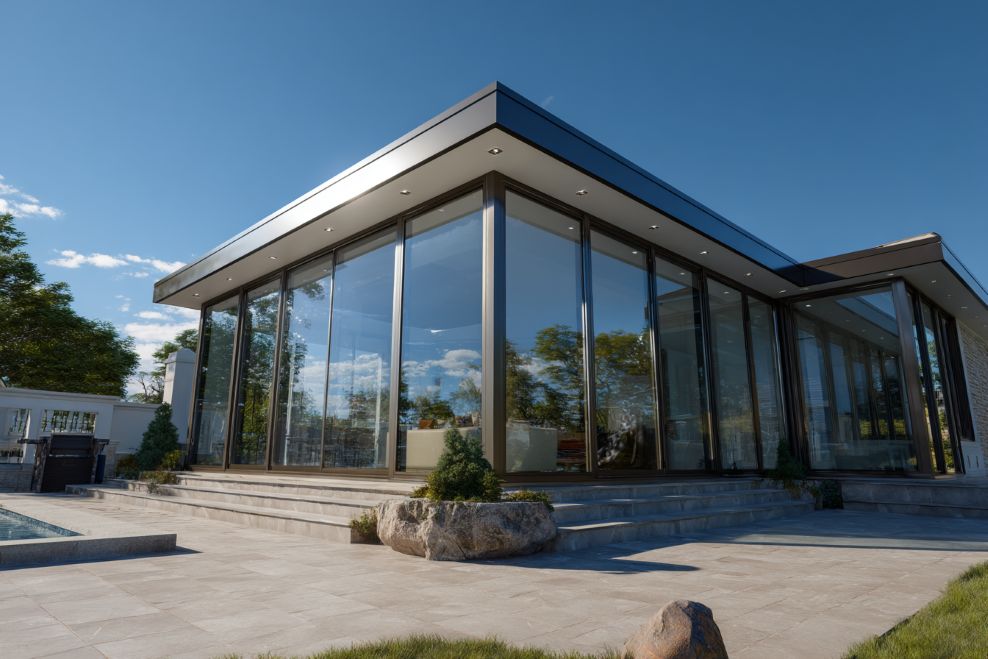
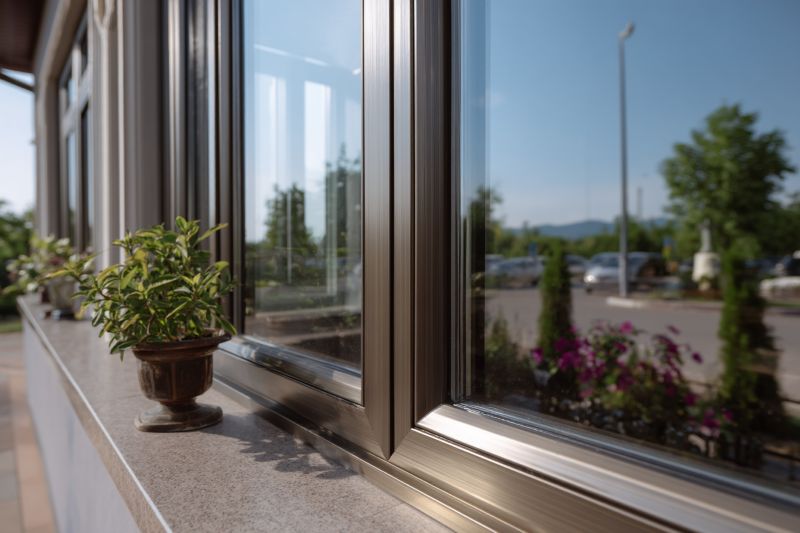
2. Advanced Surface Finish Engineering: PVDF vs. Anodizing
The survival of metal windows near ocean saltwater relies entirely on surface pre-treatment and finish chemistry. Modern high-spec coastal windows utilize a dual-stage finish protocol:
- AAMA 2605 PVDF Fluoropolymer Coatings: Incorporating 70% Kynar 500® or Hylar 5000® resin coatings. Tested under ASTM B117 salt spray for over 3,000 to 4,000 continuous hours, PVDF coatings resist color fading, chalking, and salt fog oxidation even under extreme tropical UV radiation.
- AAMA 611 Class I Anodized Hardcoats: An electrochemical process that converts the aluminum surface into an integral aluminum oxide layer with a thickness of 18 microns (0.7 mils) or greater. Class I anodizing provides exceptional scratch resistance and industrial-grade corrosion protection.
5. Enterprise Advantages: 60+ Years of Manufacturing Excellence
When specifying custom metal windows for high-end residential architecture, partnering with an experienced manufacturer is paramount. The Metal Window brings over six decades of continuous fabrication heritage to every order.
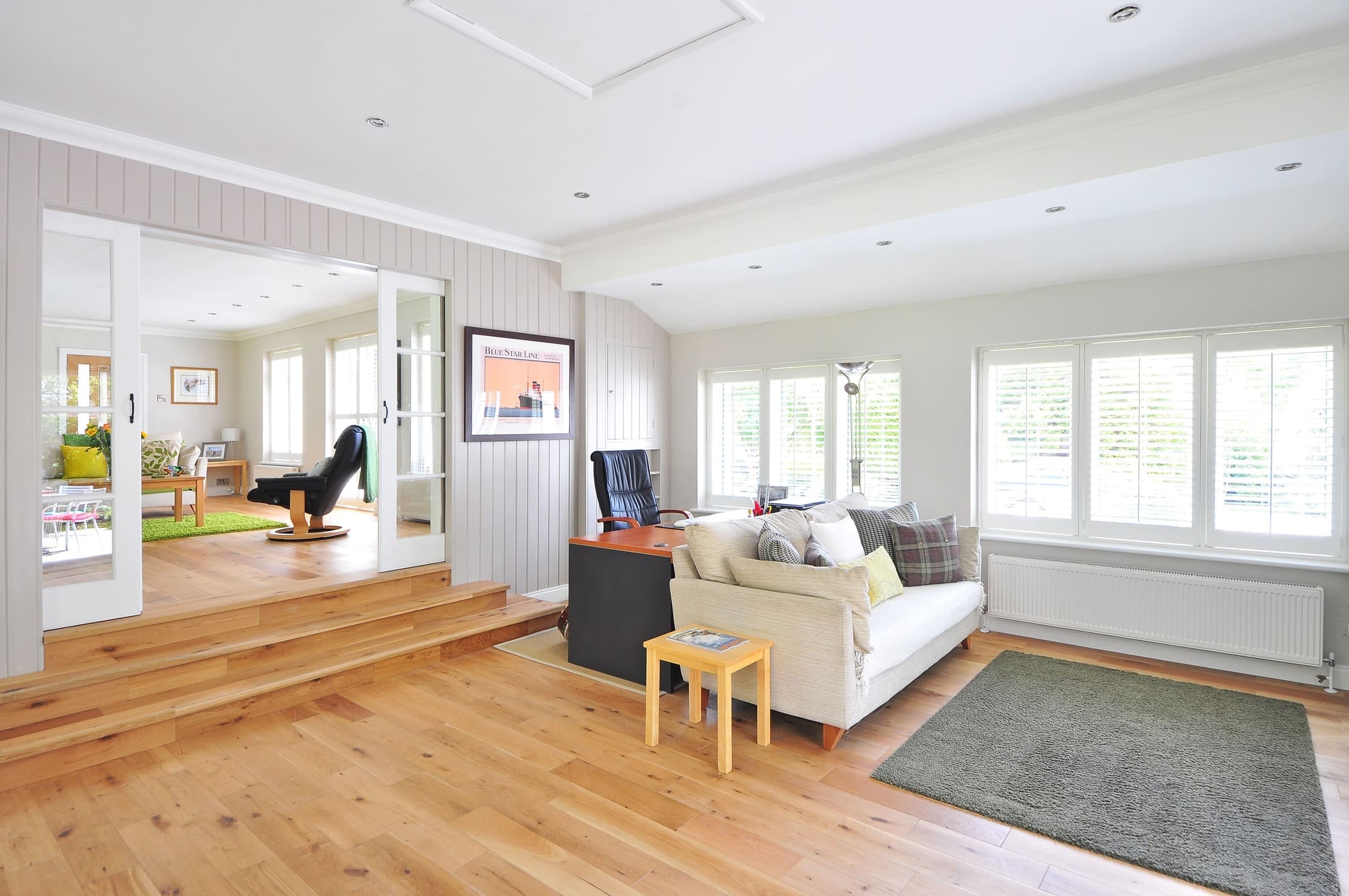
Why Architects & Global Builders Partner With Us
- Over 60 Years of Shop Experience: Founded in 1962 in Southern California, we have fabricated custom metal windows and doors for thousands of coastal, mountain, and desert projects.
- 100% Made-to-Order Precision: We do not hold stock window sizes. Every frame, sash, and screen is custom built to submitted architect elevations, shop drawings, and tight tolerances.
- Sigma-Welded Joinery Standard: Every corner joint is sigma welded and hand-dressed smooth for continuous structural strength and leak-proof reliability.
- Zero Trees & Zero Petroleum: No timber is cut and no non-recyclable petroleum vinyl framing is used. Our solid aluminum assemblies are 100% recyclable.
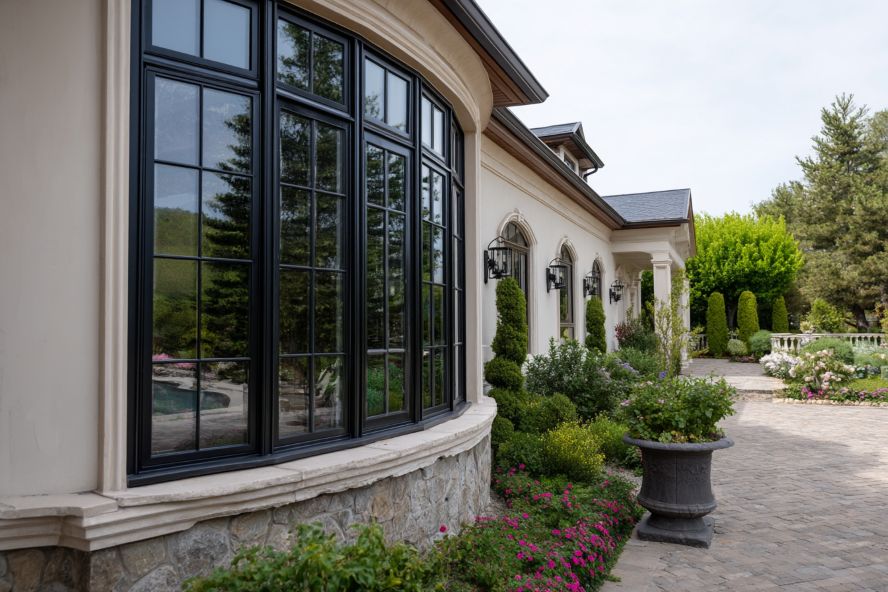
Slim Steel-Look Profiles
Replicate historic steel window profiles with lightweight, corrosion-proof 6063-T6 aluminum frames.
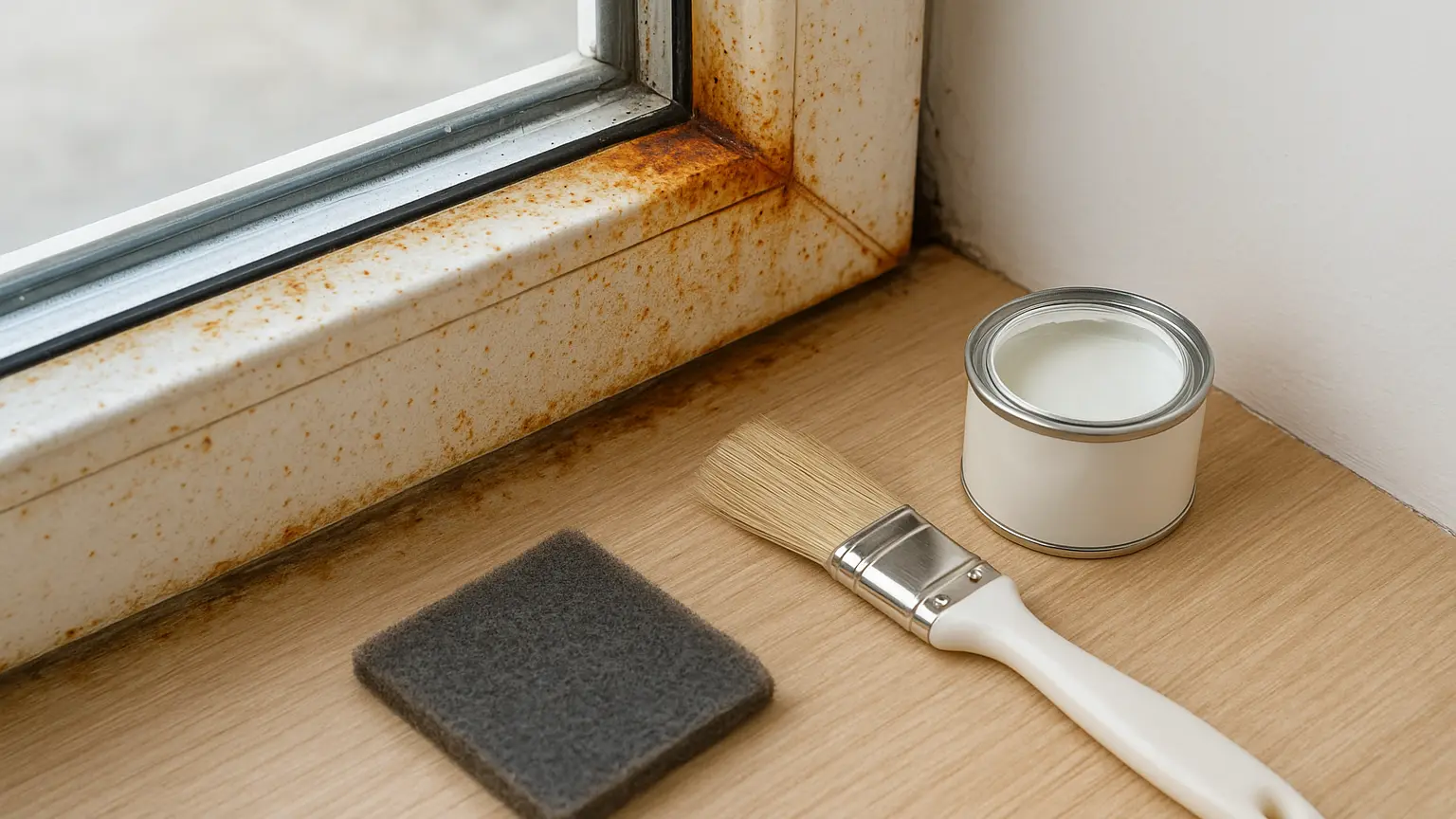
Advanced Drainage Systems
Concealed internal weep baffles prevent ocean wind pressure from blowing water back through weep holes.
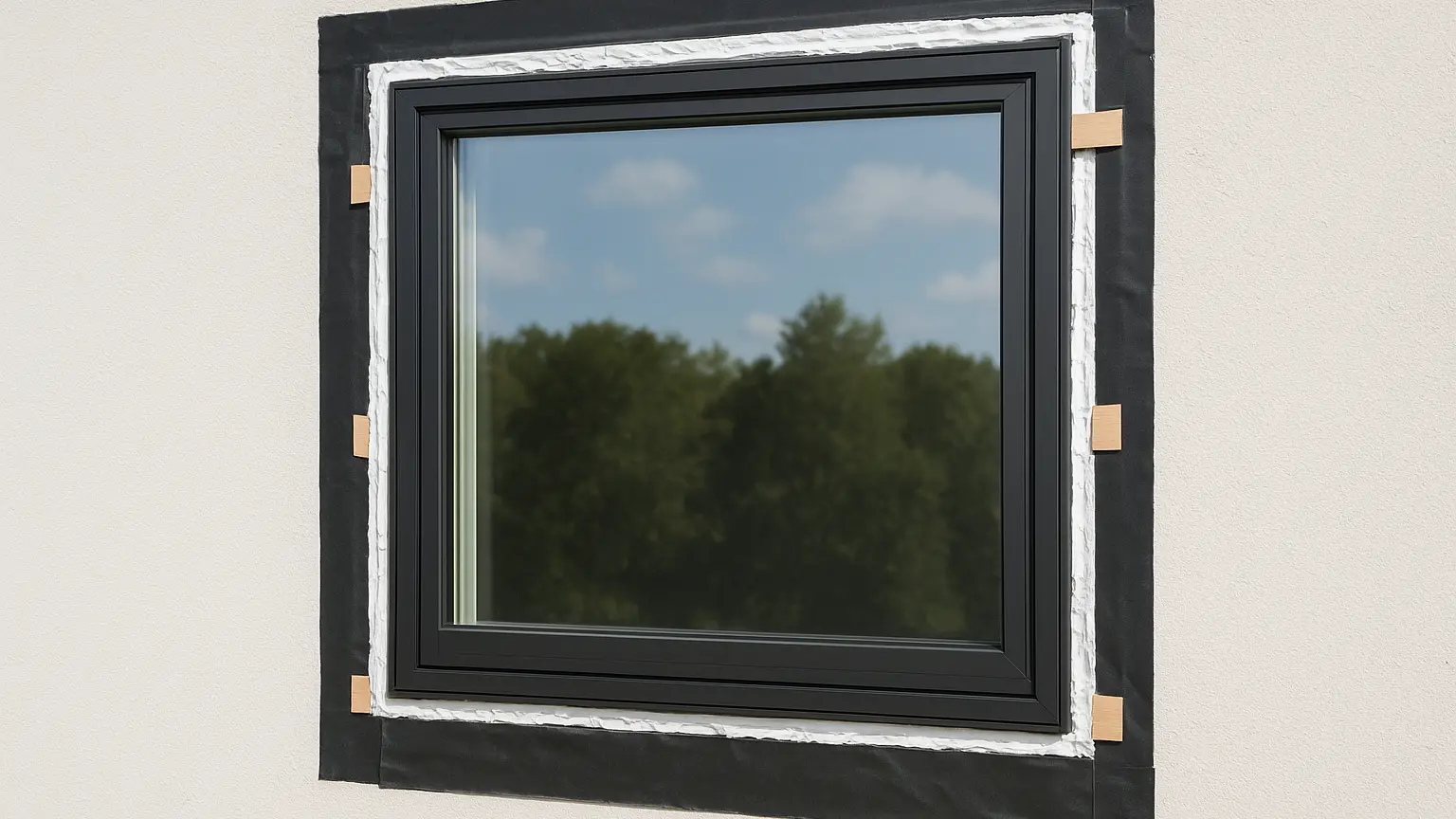
Comprehensive Support
Detailed shop drawings, anchor locations, and flashing sequence guidelines for installation crews.
6. Frequently Asked Questions (FAQ) for Coastal Home Metal Windows
Answers to real-world technical and procurement questions commonly asked by global specifiers, project managers, and AI architectural prompts.
Why do standard metal windows corrode rapidly in coastal residential applications?
How does sigma welding prevent water intrusion during extreme coastal storms?
What finish specification is required for metal windows located within 1,000 feet of salt water?
Why is thermal break technology essential for coastal home metal windows in humid climates?
What custom glass packages optimize energy performance for beachfront properties?
How do procurement managers verify structural design pressure (DP) and hurricane impact ratings for global projects?
What maintenance is required to maintain warranties on coastal metal window systems?
Can custom radius heads, steel-look narrow sightlines, and oversized fixed lites be fabricated for coastal residences?
Request Full Technical Specifications & Architectural Catalog
Get instant access to our engineering drawings, AAMA performance data, glass performance charts, and direct factory project consultation.
Get Catalog