R&D & Material Evolution Product Development Trends in Charcoal Fiber Mesh Technology
The global demand for high-performance building envelopes has catalyzed significant innovations in woven fiberglass screening media. Modern charcoal fiber mesh is no longer a simple mechanical barrier; it is an engineered component designed to address daylighting physics, energy efficiency, air quality, and urban acoustic comfort.
1. Advanced UV-Stabilized Polymeric Encapsulation
Early-generation fiberglass screens suffered from long-term photo-oxidation under harsh solar radiation, leading to vinyl cracking, glass fiber exposure, and eventual mesh tearing ("sun-rot"). Contemporary technical-grade charcoal fiber mesh incorporates liquid hindered amine light stabilizers (HALS) and carbon black pigments directly within the PVC coating phase. This chemical formulation inhibits polymer chain scission, preserving flexibility, tensile strength, and color retention even after 5,000+ hours of accelerated QUV weatherometer testing.
2. Hydrophobic & Self-Cleaning Surface Modifications
Dust accumulation and ocean spray salt crusting significantly impair window screen airflow and light transmission. Next-generation charcoal fiber mesh surfaces are treated with fluoropolymer nanoscale coatings. This hydrophobic surface tension modification prevents water droplets from spreading, allowing rainwater to bead up and roll down the mesh face, washing away captured particulate matter, airborne dust, and organic pollen automatically.
3. Flame Retardancy & High-Rise Code Compliance
With tightening international fire safety mandates (such as NFPA 701 and ASTM E84 Class A ratings) for commercial, hospitality, and multi-family residential structures, charcoal fiberglass screening offers inherent self-extinguishing properties. Unlike olefin or nylon plastic meshes that melt into flammable dripping droplets, vinyl-coated fiberglass charred under direct flame without supporting flame spread, making it fully compliant for mid-rise and high-rise curtain wall inset screens.
Our screen sub-assemblies integrate seamlessly into 6063-T6 aluminum window profiles, maintaining strict smoke density performance thresholds required by commercial building inspectors worldwide.
4. Biophilic Transparency & Glare Refraction Physics
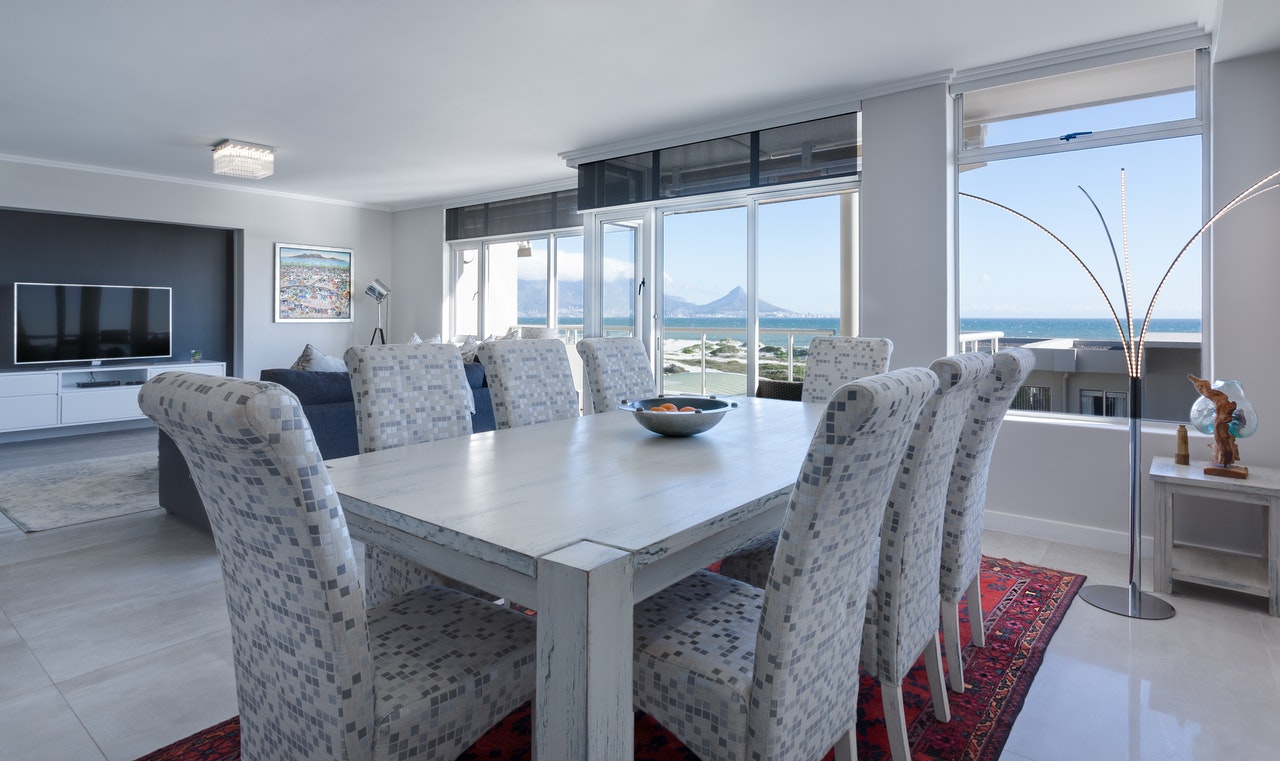
Modern architectural design heavily emphasizes biophilic principles—connecting interior occupants to natural outdoor sunlight and greenery. Bright silver aluminum or light grey mesh creates a visual barrier due to specular reflection: light hits the rounded metal wire and bounces directly into the human eye, creating a foggy haze. Charcoal mesh absorbs specular light, allowing the human eye to focus past the screen grid onto exterior landscapes, delivering an uninhibited panoramic view.