Explore our export-certified architectural window and door systems built with high-density EPDM weather stripping, 6063-T6 aluminum extrusions, and sigma-welded corner stability.
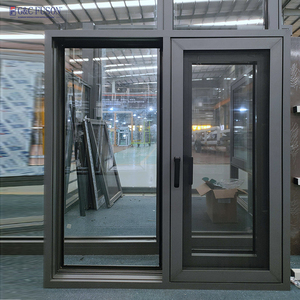
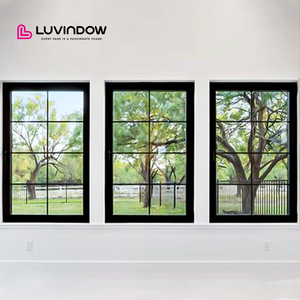
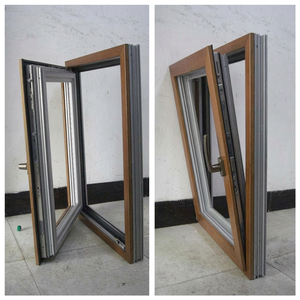
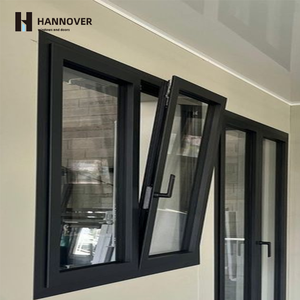
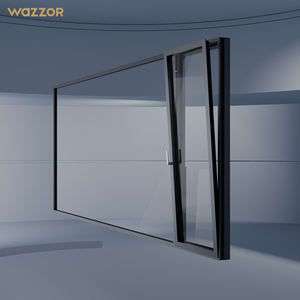
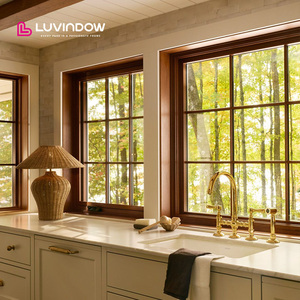
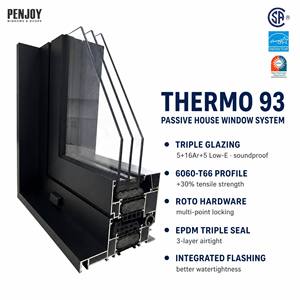
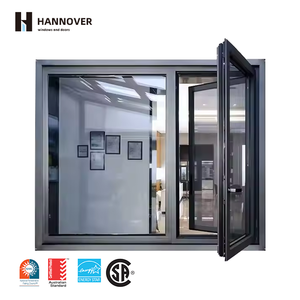
In modern architectural fenestration, the window frame and glass package account for only part of a building envelope's overall energy performance. The real operational benchmark relies heavily on the weather stripping elastomer profile and structural perimeter gaskets. As global energy codes tighten under international net-zero mandates (such as LEED v5, NFRC standards, and EU Passive House directives), evaluating top trusted weather stripping factories and exporters becomes paramount for architects, B2B procurement managers, and window manufacturers.
Weather stripping serves as the primary barrier against dynamic wind loads, convective thermal transfer, airborne noise, and wind-driven water intrusion. Without high-elasticity sealing compounds and engineered cross-sections, even the most expensive thermally broken aluminum profiles will suffer from micro-gaps caused by thermal expansion, frame deflection, and building settlement.
Ethylene Propylene Diene Monomer (EPDM) remains the gold standard for outdoor fenestration. Superior resistance to UV degradation, ozone attack, and temperature extremes (-40°C to +120°C).
By pairing precision EPDM corner vulcanization with sigma-welded 6063-T6 aluminum frames, mechanical joint gap creation is permanently eliminated across decadal lifecycles.
Advanced foam and sponge co-extrusions exhibit less than 5% permanent compression set over 100,000 cycles, guaranteeing airtight contact throughout seasonal shifts.
To assist technical buyers and project engineers in specifying the correct weather seals for high-rise, residential, and marine projects, our laboratory has benchmarked the key polymer compounds used across global factories.
| Polymer / Elastomer Type | Tensile Strength (MPa) | UV & Ozone Longevity | Compression Set Resistance | Acoustic STC Gain | Primary Fenestration Application |
|---|---|---|---|---|---|
| Dense EPDM Rubber | 10.5 - 15.0 | Excellent (25+ Years) | Superior (< 10%) | +6 to +8 dB | Primary Outer Sash Gaskets & Curtain Wall Mullions |
| Micro-Cellular EPDM Sponge | 4.5 - 7.0 | Excellent (20+ Years) | Maximum Recovery (< 5%) | +8 to +12 dB | Inner Cavity Thermal Seals & Acoustic Buffers |
| Thermoplastic Elastomer (TPE/TPV) | 7.0 - 11.0 | Good (15+ Years) | Moderate (15-20%) | +4 to +6 dB | Recyclable Standard Residential Windows |
| Silicone Foam Compounds | 8.0 - 12.0 | Outstanding (30+ Years) | Exceptional (< 4%) | +10 to +14 dB | Extreme Heat / Coastal High-Rise Façades |
Note: All weather stripping profiles integrated into our exported window series undergo strict ASTM E283 air leakage testing and ASTM E331 water resistance evaluation to ensure continuous compliance under structural loading.
As international supply chains shift toward direct OEM/ODM factory partnerships, the global procurement model for weather stripping and architectural glazing has evolved. Importers, dealers, and general contractors are no longer looking for standalone components; they require fully integrated, pre-engineered window systems tailored to exact submittal drawings.
Modern factories are migrating toward co-extruding rigid base materials (for firm insertion into aluminum grooves) with soft, sponge-like bulb tops for effortless compression and zero sash binding during operation.
Unlike PVC-based vinyl gaskets that emit VOCs and degrade into microplastics, recyclable TPE and eco-formulated EPDM components align with green building certification frameworks, reducing total carbon embodied footprints.
Leading exporters now eliminate job-site labor mistakes by providing pre-cut, vulcanized gasket frames matched with sigma-welded 6063-T6 aluminum assemblies delivered directly to the project site.
Backing over 60 years of Southern California fabrication expertise and global export execution, our factory network combines structural metallurgy, advanced elastomer compounding, and architectural glass manufacturing under one centralized Quality Management System.
We utilize solid 6063-T6 structural aluminum alloy that holds absolute dimensional stability under structural wind loads, extreme heat, and high humidity—outperforming timber and vinyl by decades.
Every sash member and outer frame corner is continuous sigma-welded and dressed smooth. Welded corners behave as one solid piece of metal, completely eliminating water path openings.
Specially treated powder coatings and anodized surface treatments certified for coastal salt-spray exposures (ASTM B117), providing long-term corrosion immunity near ocean fronts.
Get quick answers to the technical questions specified by architects, general contractors, and fenestration buyers before submitting project drawings.
EPDM rubber maintains high elasticity without becoming brittle under cold temperatures or sticky under UV heat. Unlike brush pile seals which can tear or absorb water over time, closed-cell EPDM forms an airtight, hydraulic compression barrier that maintains thermal seal integrity for over 25 years.
A thermal break is a polyamide (PA66-GF25) structural barrier inserted inside the aluminum extrusion to isolate exterior and interior metal. Weather stripping works in unison with this break by sealing the perimeter air gap, preventing convective thermal bypass and interior condensation ("frame sweating").
Our aluminum frames utilize continuous sigma-welded joints dressed smooth, while our EPDM weather stripping profiles feature factory-vulcanized molded corners. This dual-layer approach eliminates mechanical corner gaps that traditional screwed-and-crimped systems suffer from.
Yes. 100% of our production is made-to-order based on your exact architectural dimensions. We confirm profile depth, glass bite, weather stripping placement, glazing spec, and swing direction on detailed shop drawings before any metal is cut.
Absolutely. Solid 6063-T6 aluminum does not rust like steel, and our EPDM/Silicone weather seals resist salt-air corrosion. Combined with marine-grade stainless steel hardware, our fenestration packages perform reliably in aggressive marine microclimates.
A soundproof glass unit (such as a triple-glazed acoustic lamination) is rendered ineffective if air gaps exist. High-density EPDM sponge profiles seal micro-fissures around the operating sash, achieving up to STC 45 acoustic isolation levels in noisy urban settings.
Send us your project opening schedules, architectural elevations, or custom submittal drawings. Our engineering team will review your specifications, recommend optimal thermal break profiles, and provide detailed factory-direct pricing.
Inquire Now