Architectural-Grade 6063-T6 Structural Aluminum, Sigma-Welded Monolithic Integrity, and High-Efficiency Polyamide Thermal Barrier Fenestration Engineering.
Explore commercial and luxury residential fenestration assemblies precision-machined to surpass strict thermal building codes, structural deflection mandates, and salt-spray coastal resistance standards.
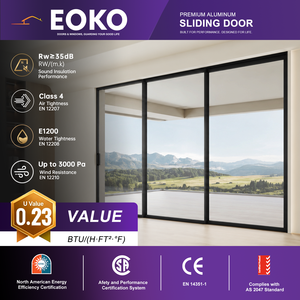
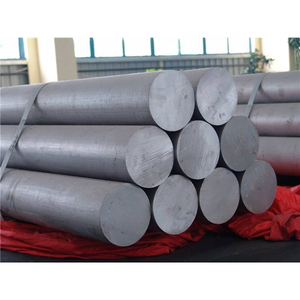
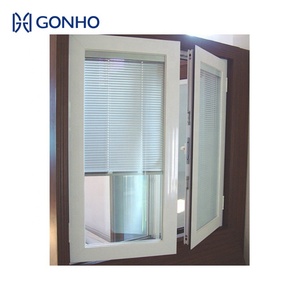
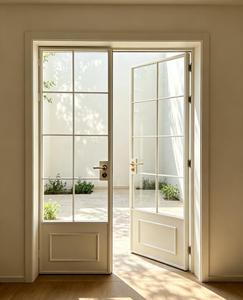
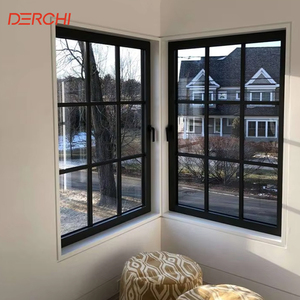
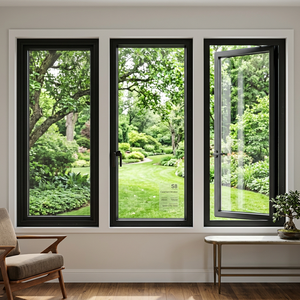
Aluminum is renowned across structural engineering for its exceptional strength-to-weight ratio, resilience against wind loading, and resistance to environmental fatigue. However, raw extruded aluminum exhibits high thermal conductivity (~160 to 200 W/m·K). Without a specialized barrier, aluminum fenestration acts as an unchecked thermal bridge, rapidly transferring interior heating or exterior solar gain, precipitating dew-point condensation, mold colonization, and structural degradation along building envelopes.
As a specialized thermal windows supplier, our manufacturing processes disrupt conductive heat flow via high-precision structural thermal breaks. By mechanical crimping glass-fiber-reinforced polyamide 66 (PA66 GF25) insulating struts between interior and exterior aluminum profiles, or utilizing polyurethane pour-and-debridge isolation, we drastically diminish thermal conduction while preserving complete shear resistance. The result is an insulated fenestration framing system that comfortably complies with ASHRAE 90.1, IECC, and California Title 24 envelope mandates.
| Engineering Attribute | Standard Commercial Aluminum | Thermally Broken 6063-T6 System | Compliance Standard |
|---|---|---|---|
| Frame U-Factor (Btu/hr·ft²·°F) | 1.05 – 1.45 | 0.19 – 0.32 | NFRC 100 / ISO 15099 |
| Condensation Resistance (CR / CRF) | 25 – 35 (High sweating risk) | 65 – 82 (Superior condensation control) | AAMA 1503 / NFRC 500 |
| Corner Joint Methodology | Mechanical Screws / Friction Crimp | Sigma Continuous Fusion Welded & Dressed | AWS D1.2 / Structural Fenestration |
| Alloy Composition & Temper | Secondary Recycled Scraps | 6063-T6 Pure Virgin Billet | ASTM B221 |
| Solar Heat Gain Coefficient (SHGC) | 0.60 – 0.72 | 0.18 – 0.28 (With Low-E Triple Glaze) | NFRC 200 |
Unlike intermediaries or trading companies that resell mass-produced standard stock sizes, we operate a dedicated manufacturing ecosystem rooted in over six decades of custom metallurgical fabrication. Our proprietary advantages are engineered into every unit that leaves our facility:
While industry commodity windows depend on mechanical brackets and gasket adhesives that degrade under cyclic thermal expansion, all our corner joints and structural intersections are sigma fusion-welded and dressed flush. The entire frame behaves as a monolithic unit, ensuring zero water ingress and unyielding diagonal squareness under severe structural wind load.
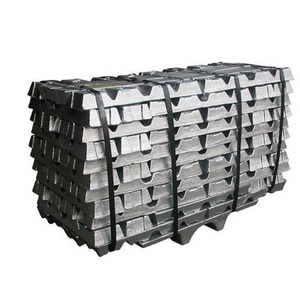
Every extrusion member is manufactured from controlled 6063-T6 aluminum alloy. By starting exclusively with prime certified ingots and billets, we eliminate internal porosity, micro-fissures, and irregular grain boundaries, yielding flawless surfaces ideal for architectural anodizing and AAMA 2605 fluoropolymer coatings.
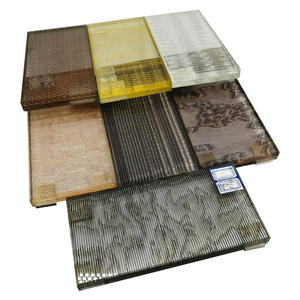
From low-conductance warm-edge spacer bars to triple-glazed configurations containing argon gas fills, soft-coat multi-silver Low-E sputtered coatings, and architectural laminated mesh, each glazing unit is modeled to match the specific solar orientation, acoustics (STC/OITC), and climate zone of the project.
The international architectural envelope sector is experiencing an unprecedented technical evolution. As commercial and luxury residential building standards migrate toward Net-Zero Energy Building (NZEB) and Passive House certifications, fenestration procurement parameters have shifted beyond surface-level aesthetics toward holistic lifecycle analytics.
The convergence of thermally broken 6063-T6 frames with ultra-slim Vacuum Insulated Glass is revolutionizing the industry. By creating an internal vacuum that eliminates conductive and convective heat transfer entirely, assemblies achieve center-of-glass thermal resistance comparable to solid insulated walls without bulky multichamber profiles.
Procurement directors are actively penalizing secondary scrap aluminum sourced from dirty grids. The modern procurement standard demands certified Environmental Product Declarations (EPDs), verifying that aluminum billets are smelted utilizing low-carbon hydroelectric power with low embodied carbon metrics.
High-end building envelopes are shifting toward concealed smart actuators. Concealed European motor drives seamlessly interface with smart-home HVAC systems to optimize natural ventilation cycles, automatically adjusting sash openings based on indoor air quality and outdoor dew points.
Direct engineering insight addressing complex questions posed by facade consultants, general contractors, and procurement officers.
Solid 6063-T6 aluminum frames exhibit superior structural modulus, allowing for significantly larger continuous glass lites with ultra-narrow sightlines. Unlike wood, aluminum will never swell, rot, split, or suffer insect damage. Unlike vinyl (uPVC), aluminum does not warp under direct solar heating, embrittle under severe winter freeze, or break down from UV radiation.
Most mass-market aluminum windows rely on mechanically fastened mitered corners utilizing corner cleats, screws, and bead sealant. Over time, thermal cycling and building deflection loosen these joints, causing water leaks and out-of-square sash sag. Sigma welding fuses the aluminum members into a singular continuous component with zero joint creep and complete watertight permanence.
Our architectural systems utilize continuous polyamide 66 reinforced with 25% short glass fibers (PA66 GF25). This specific composite matches the thermal expansion coefficient of aluminum, ensuring that during rapid temperature transitions, the thermal barrier will not delaminate, crack, or lose structural shear strength.
For coastal and salt-air installations, we apply multi-stage pretreatment chrome-free conversion coatings followed by Class I AAMA 2605 fluoropolymer (PVDF) or 25-micron architectural anodized finishes. All operating screws, internal axles, and multipoint locks are manufactured from 316-grade marine stainless steel with dielectric isolating spacers to eliminate galvanic corrosion.
Yes. Because we operate an end-to-end custom tooling and fabrication floor, we regularly produce narrow steel-look profiles with authentic beveled putty lines, historic exterior muntin bars, custom radius arches, and monumental pivot or sliding dimensions matching exact architectural drawings without sacrificing modern thermal insulation.
Our engineering department reviews full architectural elevation schedules, structural wind-load tables, and thermal targets. We produce detailed shop drawings and CAD/BIM cut sections within 5–7 business days, providing complete engineering transparency before raw aluminum profiles enter the extrusion and sigma-welding lines.
Connect directly with our engineering and takeoff specialists. We supply shop drawings, comprehensive thermal performance schedules, and factory-direct project quotes for luxury residential and commercial developments worldwide.