Custom engineered from solid 6063-T6 aluminum profiles, high-tensile stainless steel bearing tracks, and sigma-welded corner geometries built to client specifications.
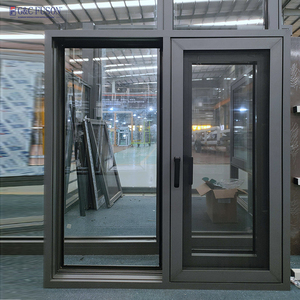
Triple-glazed insulation with precision friction hinges and multi-point roller locking gear designed for luxury energy-efficient envelopes.
Inquire Now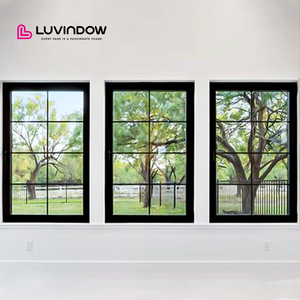
Tested for extreme wind-load pressure with reinforced stainless-steel tandem roller tracks and high-impact laminated glazing.
Inquire Now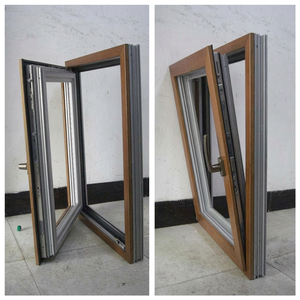
Engineered sound reduction up to 45dB utilizing dual-layer EPDM gaskets and whisper-quiet bearing roller guidance.
Inquire Now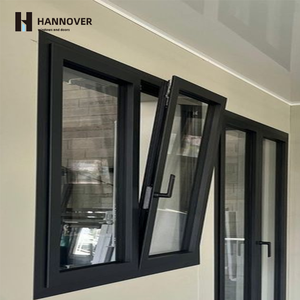
Features heavy-duty corner key locks and ultra-low friction bottom roller carriages for effortless operation across large openings.
Inquire Now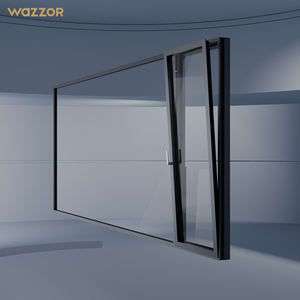
Designed with high-tensile 6063-T6 extruded aluminum framing and sigma-welded joints capable of withstanding coastal storms.
Inquire Now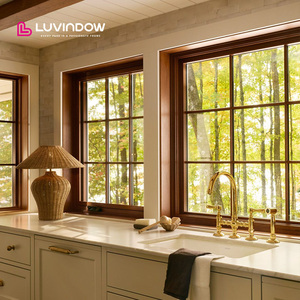
Combines the warmth of interior timber aesthetics with exterior weather-proof extruded aluminum and smooth sliding tracks.
Inquire Now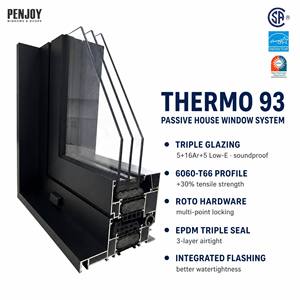
Ultra-low U-factor design featuring precision-aligned roller guides, argon-filled glass cavities, and anti-corrosion hardware.
Inquire Now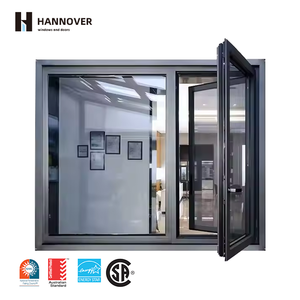
Multi-functional hardware kinematics enabling dual-action tilting and sliding, built specifically for high-rise elevations.
Inquire NowUnderstanding load distribution, material tribology, and kinetic wear mitigation in modern architectural sliding envelopes.
Window rollers and sliding sashes operate under continuous dynamic shear stress. Extruded 6063-T6 aluminum alloy delivers an optimal strength-to-weight yield point (minimum yield strength of 170 MPa). Unlike standard recycled aluminum, T6 heat treatment ensures structural rigidity across extreme ambient thermal cycles without frame flexing or track misalignment.
A window roller carriage is only as durable as its rolling elements. Premium Chinese suppliers incorporate sealed stainless steel (SUS316) precision ball bearings enveloped in self-lubricating POM (Polyoxymethylene) or modified Nylon 66 wheels. This hybrid pairing lowers the dynamic friction coefficient (μ < 0.08) while preventing track galling under heavy triple-pane sash weights.
Mechanical screw crimps on sliding window frames eventually loosen over decades of thermal expansion and cyclic roller impacts. By deploying full-penetration Sigma welding at every joint and roller track junction, the assembly behaves as a monolithic structure—eliminating moisture intrusion paths and frame racking.
Quantitative breakdown of window roller assembly classes, weight ratings, and anti-corrosion benchmarks for commercial sourcing.
| Roller Assembly Class | Wheel Material Grade | Max Sash Load (Tandem) | Salt-Spray Rating (ASTM B117) | Expected Cycle Life | Primary Application Intent |
|---|---|---|---|---|---|
| Light Single Roller | Virgin Nylon 6 | 35 kg / 77 lbs | 240 Hours | 25,000 Cycles | Residential Awning / Light Horizontal Slider |
| Standard Dual Tandem | Reinforced POM Polymer | 90 kg / 198 lbs | 600 Hours | 50,000 Cycles | Standard Double-Glazed Sliding Windows |
| Heavy-Duty Stainless Tandem | SUS304 Cased Metal Wheel | 180 kg / 396 lbs | 1,000 Hours | 100,000 Cycles | Commercial Heavy Triple-Pane Windows |
| Architectural Lift & Slide Carriages | Brass / SUS316 Machined Core | 300+ kg / 660+ lbs | 1,500+ Hours (Coastal Grade) | 150,000 Cycles | Luxury Villa Enclosures & Acoustic Sliding Walls |
How global energy mandates, automated hardware integration, and supply chain shifts are redefining China B2B fenestration exports.
With stringency in global building codes (such as EU Passive House standards and North American NFRC ratings), double glazing is rapidly giving way to heavy triple-glazed insulated glass units (IGUs). Procurement teams are migrating away from single rollers toward heavy-duty adjustable tandem roller carriages capable of supporting glass packs exceeding 120kg per panel without increasing rolling torque.
Coastal real estate developments require hardware resistant to salt-air oxidation. Sourcing strategies now heavily prioritize hardware undergoing micro-arc oxidation, electroplated PVD finishes, and 316-grade stainless steel components. Chinese OEM manufacturers who provide certified 1000-hour ASTM B117 neutral salt spray test reports are gaining dominant market share in coastal project tenders.
Modern architectural philosophy favors ultra-slim aluminum sightlines. Future roller developments focus on compact, height-adjustable concealed track mechanisms integrated directly within thermal break polyamide channels. These hidden roller systems maximize daylight aperture ratio while maintaining smooth, non-binding horizontal slide dynamics.
Bridging advanced Chinese industrial capacity with strict North American and European submittal standards.
Unlike secondary suppliers who source unverified aluminum scrap or cheap plastic wheels, our manufacturing process maintains absolute metallurgical and mechanical trace-ability. We control every facet of production—from alloy billet extrusion to final roller fitting.
We work directly with structural engineers, fenestration distributors, and commercial general contractors worldwide:
Direct answers from our engineering shop floor regarding window rollers, profiles, and glazing integration.
Solid 6063-T6 aluminum frames hold structural dimensions under severe thermal changes, high humidity, and heavy wind loading. Unlike wood, aluminum will never rot, swell, or crack, eliminating costly repainting maintenance. Compared to vinyl (PVC), aluminum exhibits far higher structural stiffness, allowing for significantly slimmer frame sightlines while supporting heavy, triple-glazed glass packs via high-capacity roller carriages.
A thermal break is a continuous insulating barrier (usually structural polyamide plastic) inserted inside the aluminum extrusion between the interior and exterior metal profiles. It dramatically decreases heat conduction through the frame, raising energy efficiency and preventing interior frame condensation ("sweating"). Thermally broken frames are required for conditioned residential and commercial spaces in cold or hot climates to comply with strict energy performance codes.
Mechanical corner joints rely on screws, plastic corner keys, and liquid sealants. Over time, thermal cycling and heavy roller motion can cause screw torque failure, opening microscopic gaps that allow water penetration and frame racking. Sigma welding fuses the aluminum joint at a molecular level, turning the corner into one continuous piece of metal that guarantees structural squareness and total waterproof security for decades.
For marine or high-humidity environments, standard zinc-plated carbon steel bearings will rust rapidly. We recommend specifying roller carriages with SUS316 stainless steel housings, precision ceramic or 316 stainless ball bearings, and self-lubricating POM or heavy-duty nylon wheels. Paired with anodized or high-performance powder-coated aluminum tracks, this setup prevents galvanically induced corrosion.
Yes. Every single unit leaving our shop floor is manufactured to custom project dimensions. We do not restrict project designs to catalogue stock sizes. Overseas contractors and fabricators simply submit opening elevations and profile requirements; our shop drawing team verifies roller load ratings, glass bites, hardware clearances, and weather seal details prior to metal extrusion and cutting.
We manufacture two primary roll-formed screen styles: flat frame and long-leg frame profiles. Both utilize durable roll-formed aluminum framing fitted with 16 x 18 charcoal fiberglass or stainless steel security mesh locked by a vinyl spline. Screens integrate directly into our track profiles with spring clips, permitting quick tool-free removal for cleaning.