Engineered for extreme structural loads, superior thermal break insulation, and typhoon-resistant air-tightness. Pair your structural frames with our heavy-duty architectural friction hinges and multi-point hardware assemblies.
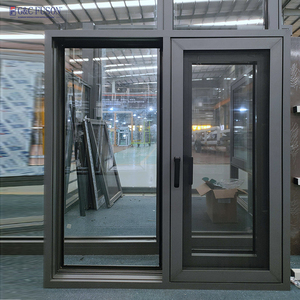
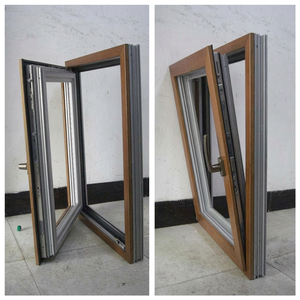
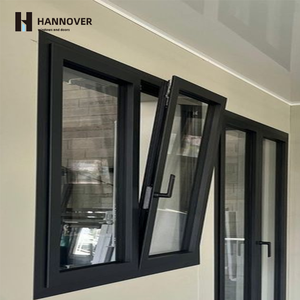
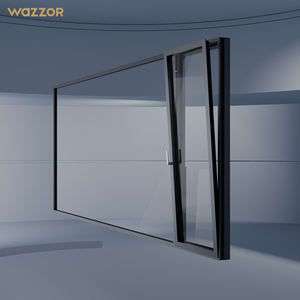
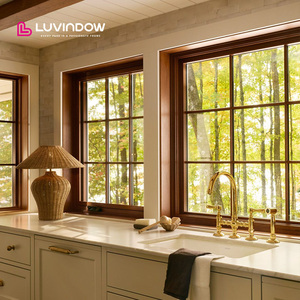
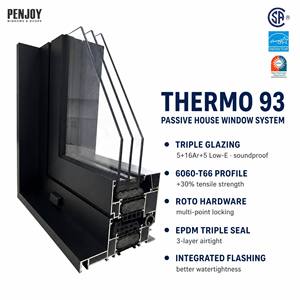
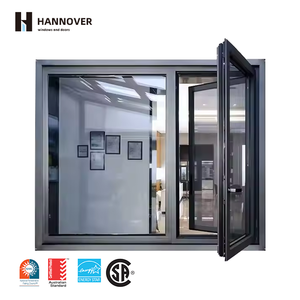
An authoritative evaluation of metallurgical selections, kinematic friction dynamics, load-bearing capacities, and modern facade performance standards for global procurement managers and structural specifiers.
Fabricated exclusively from cold-rolled Austenitic Stainless Steel (SUS304/SUS316) and extruded 6063-T6 aluminum alloys. High nickel content protects against stress corrosion cracking in extreme marine environments.
Multi-pivot friction stay geometries utilize self-lubricating brass and glass-filled Nylon 66 sliders, distributing kinetic force evenly to neutralize rotational resistance and eliminate wind chatter.
Our window hinges undergo 1,000+ hours of continuous neutral salt spray testing and exceed 50,000 rigorous open-close duty cycles under maximum dynamic weight ratings.
In modern architectural engineering, window hinges—specifically friction stays—serve as the critical load-bearing nexus connecting the operable window sash to the structural frame. Unlike traditional butt hinges that rely on external stays for positioning, integrated friction stays combine articulation and positioning within a single multi-bar mechanical linkage. As facade specifications lean heavily toward soundproof triple-glazing and thermal-break profiles, sash weights have increased exponentially. Achieving effortless manual operation while maintaining structural rigidity against negative wind pressures requires sophisticated engineering calculations of pivot placement and slider friction coefficients.
Our manufacturing facility leverages CNC precision stamping and automatic orbital riveting processes. This guarantees that every pivot pin exhibits consistent tolerance fits within ±0.02mm, suppressing unwanted sash play and operational binding. Furthermore, the integration of high-grade copper washers between stainless steel arms prevents galling and guarantees consistent operational torque across multi-decade service lifetimes.
Choosing the correct metallurgical profile is essential when specifying window hardware for high-salinity coastal areas, high-rise commercial structures, or extreme climatic temperature zones.
| Hardware Material | Tensile Strength (MPa) | Salt Spray Resistance | Max Sash Weight Capacity | Primary Application Environment |
|---|---|---|---|---|
| SUS316 Marine Stainless Steel | ≥ 620 MPa | 1,500+ Hours (ASTM B117) | Up to 200 kg | Coastal, High-Salinity & Offshore High-Rise |
| SUS304 Standard Stainless Steel | ≥ 520 MPa | 1,000+ Hours (ASTM B117) | Up to 150 kg | Urban Commercial & High-End Residential |
| Extruded 6063-T6 Aluminum | ≥ 245 MPa | 720+ Hours (Anodized) | Up to 100 kg | Standard Thermally Broken Casements |
| Zinc Alloy / Galvanized Steel | ≥ 200 MPa | 240+ Hours (Basic) | Up to 45 kg | Budget Light-Duty Interior Windows |
Combining over 60 years of Southern California design heritage with China's top-tier precision manufacturing capability.
Our window hinges and hardware packages are specifically calibrated for 6063-T6 solid alloy extrusions and sigma-welded corner constructions. A welded corner frame eliminates mechanical racking, maintaining perfect squareness so that friction stay sliders operate without binding or premature gasket wear.
We manufacture strict to submittal drawings with zero forced stock sizes. Whether your architectural schedule requires unique stack heights (13mm, 16.5mm, or 18mm), custom groove dimensions (Euro-groove 15/20mm), or bespoke arm lengths, our tooling shop executes your exact structural specifications.
Metal window frames conduct thermal energy if poorly designed. Our hardware systems integrate seamlessly into thermally broken profiles without puncturing polyamide thermal bridges, ensuring that energy compliance metrics (U-factors down to 0.16) remain completely intact.
Every production batch undergoes dynamic weight testing, torque retention verification, weather seal compression inspection, and cycle testing before crating. We provide complete mill test certificates (MTC) and third-party lab verification for global project submittals.
Strategic foresight for hardware wholesalers, façade engineers, and window manufacturing brands navigating evolving building codes and architectural demands.
As modern energy codes enforce triple and quadruple glazing packages alongside acoustic laminated interlayers, sash weights are climbing past 150kg–200kg for residential installations. Future friction hinges must incorporate reinforced 4mm thick stainless steel linkage arms and quad-pivot load distributors to ensure smooth manual operation without sash deflection.
Contemporary architecture prioritizes minimal visual clutter. Market demand is rapidly pivoting toward 180-degree fully concealed hinges that sit entirely within the profile rebate standard. This shift eliminates visible knuckle hardware, allowing seamless, glass-first elevation aesthetics without compromising weatherproofing ratings.
Automated building management systems (BMS) require window hinges capable of low-resistance kinetic movement. Modern friction stays are increasingly designed with integrated electrical pathways and specialized geometry that sync perfectly with concealed chain actuators for automatic natural ventilation and smoke evacuation systems.
Global green building certifications (LEED, BREEAM) now audit the embodied carbon of fenestration hardware. Leading China exporters are transitioning to 100% recyclable austenitic stainless steel alloys and environmentally clean electro-polishing finishes that eliminate hexavalent chromium (Cr VI) from processing lines.
Direct technical answers addressing structural integration, hardware selection, anti-corrosion grades, and OEM manufacturing workflows.
A friction stay hinge consists of a multi-bar linkage mechanism with a built-in sliding friction pad. It holds the window sash open at any desired angle against wind force without needing a separate manual stay arm. A standard butt hinge merely provides a fixed rotational pivot and requires secondary hardware to secure the sash in an open position.
Solid SUS304 and SUS316 stainless steels retain structural dimension and yield strength under high mechanical loads and temperature fluctuations. Zinc alloys are prone to creep deformation, micro-cracking, and rapid oxidation when exposed to moisture. Austenitic stainless steel eliminates sash sag and structural failure over extended service lifespans.
Stack height is the clear depth measurement between the outer frame profile track and the inner sash profile groove when closed. Selecting the exact stack height is critical: an incorrect depth will either cause the frame seal to fail to compress (leakage) or bind the frame during closing, destroying the gasket seal.
Yes. For high-salinity coastal zones within 5 km of the ocean, we recommend specifying our SUS316 marine-grade stainless steel hinges featuring passivation and electro-polished surface treatments. These components exceed 1,500 hours of continuous ASTM B117 salt spray exposure without exhibiting red rust.
Under high dynamic wind loads (up to 5,000–6,000 Pa), wind pressure attempts to pull sashes away from their frames. Heavy-duty 4-bar or 6-bar friction stays lock the sash corners tightly into the frame geometry, maintaining equal gasket pressure around the perimeter to prevent air and water infiltration during severe storms.
Yes. We regularly fabricate custom hardware based on client-submitted CAD/BIM files. Our tooling department handles prototype stamping, custom slider molding, profile groove modification, and short-run production testing prior to volume manufacturing.
Our standard architectural friction stay series is rated for a minimum of 50,000 mechanical operation cycles (equivalent to over 30 years of daily opening and closing). We back our export-grade hardware with a 10-year comprehensive functional replacement warranty.
All hardware packages are individually wrapped in anti-corrosion vapor-barrier film, boxed, and packed in heavy-duty export wood crates. We coordinate seamless FOB, CIF, or DDP shipments to major ports across North America, Europe, Australia, and the Middle East.
Request a comprehensive product schedule, engineering submittal samples, or custom tooling estimate today. Our technical specialists are ready to review your project drawings.