Discover specification-grade aluminum windows custom-fabricated with 6063-T6 precision extrusions, continuous sigma-welded joinery, and high-efficiency insulated thermal break glass packages.
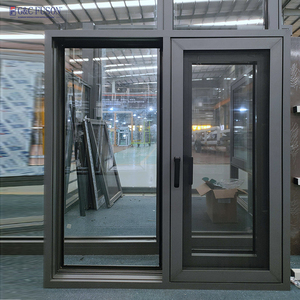
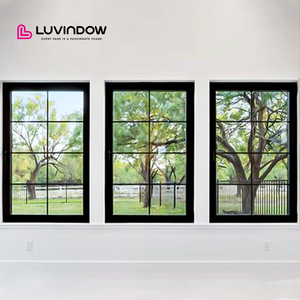
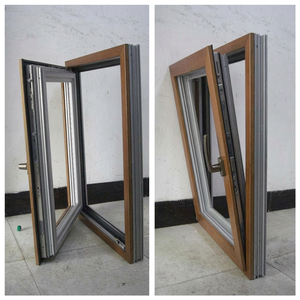
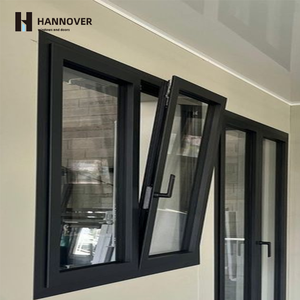
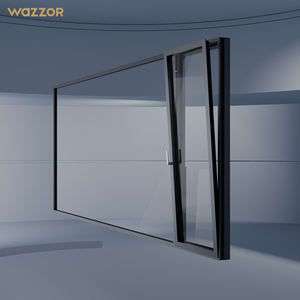
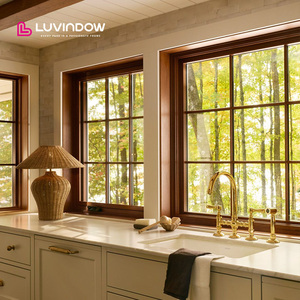
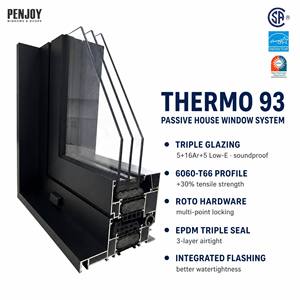
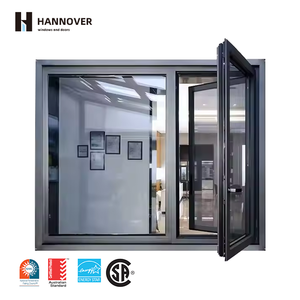
Evaluating structural integrity, thermal separation physics, and material longevity across international architectural specifications.
Unlike standard non-structural extrusions, premier Chinese manufacturers utilize primary 6063-T6 tempered aluminum alloy. T6 heat treatment yields exceptional tensile strength and yield resistance, ensuring narrow profile sightlines capable of supporting massive multi-panel insulated glass units under severe wind-load conditions.
Eliminating mechanical crimping and corner cleat vulnerabilities, elite sliding window fabricators implement full-depth sigma inert-gas welding at every corner assembly. The frame behaves as a single continuous monolithic metal loop, eliminating water infiltration paths and square deformation over decades of operation.
To meet rigorous NFRC and Passive House standards, high-end aluminum sliding profiles incorporate structural Polyamide PA66 GF25 thermal barriers. This non-conductive mechanical separation drastically reduces overall frame U-factors, eliminating condensation risk and thermal bridging in extreme climates.
In modern architectural fenestration, selecting a Top China Sliding Windows Supplier requires evaluating far more than initial unit cost. Architects, real estate developers, and commercial glazing contractors need direct insight into material metallurgy, structural frame assembly, glazed thermal performance dynamics, and factory quality assurance protocols. As global building codes tighten—demanding lower overall envelope U-factors and higher hurricane-impact ratings—China’s tier-one fenestration exporters have evolved into sophisticated engineering hubs capable of delivering custom-built, fully certified fenestration packages tailored to strict international building submittals.
The foundation of any high-performance aluminum window resides in profile alloy selection and heat-treatment tempering. While commercial budget suppliers frequently utilize 6063-T5 aluminum, top-tier export manufacturers mandate 6063-T6 aluminum alloy extrusions. The T6 temper treatment involves solution heat treatment followed by artificial aging, which substantially elevates the material's mechanical properties:
The weakest link in traditional window fabrication is the frame corner joint. Standard mass-production facilities rely on mechanical corner cleats, screwed fasteners, and silicone sealants. Over time, thermal expansion, building settlement, and operational vibrations break down internal silicone seals, leading to moisture intrusion and structural frame loosening.
By contrast, specification-grade custom fabricators deploy sigma-welded corner joints. In this precision inert-gas welding process, the intersecting aluminum members are fused into a monolithic metal unit, after which the outer surfaces are dressed and finished smooth. A sigma-welded corner creates an absolute water barrier and ensures that corner joints cannot loosen, warp, or open a water path over the entire lifecycle of the building.
To assist procurement managers in specifying the correct frame material for commercial, coastal, and residential projects, the following matrix compares specification-grade aluminum systems against traditional alternatives:
| Material / Profile System | Structural Strength (Yield) | Thermal U-Factor Range | Salt Spray Corrosion Resistance | Expected Service Life | Maintenance Lifecycle Cost |
|---|---|---|---|---|---|
| 6063-T6 Thermally Broken Aluminum | High (≥170 MPa) | 0.18 – 0.28 BTU/hr·ft²·°F | Superior (AAMA 2605 Powder / Anodized) | 50+ Years | Very Low (Zero repainting) |
| Non-Thermal Aluminum Extrusion | High (≥170 MPa) | 0.45 – 0.65 BTU/hr·ft²·°F | Excellent (Marine powder coat) | 50+ Years | Very Low |
| Architectural Wood-Clad Systems | Moderate (Species dependent) | 0.20 – 0.30 BTU/hr·ft²·°F | Fair (Vulnerable to interior moisture) | 20 – 30 Years | High (Requires periodic sealing) |
| Unreinforced Vinyl (uPVC) | Low (≤45 MPa) | 0.22 – 0.32 BTU/hr·ft²·°F | Good (Non-metallic) | 15 – 25 Years | Moderate (Prone to heat warping) |
Global architectural trends and environmental regulations are rapidly reshaping window procurement criteria. When evaluating direct-factory partnerships in China, forward-thinking buyers should prioritize suppliers aligned with the following three macro industry shifts:
A. Decarbonized & Recycled Aluminum Extrusions (Green Sourcing): Under modern carbon transparency frameworks (such as Europe's CBAM), tier-1 suppliers are adopting low-carbon primary aluminum smelted via hydro-electric energy alongside high-ratio recycled aluminum scrap. Procuring recycled aluminum cuts embodied carbon emissions by up to 95% while maintaining identical structural metallurgical characteristics.
B. Ultra-Slim Sightline Minimalist Sliding Doors: High-end residential and luxury hospitality markets demand invisible framing. Modern sliding window engineering buries the outer aluminum frame into sub-floor and ceiling pockets, leaving only a 20mm vertical interlock visible. Achieving air, water, and structural performance with minimal profile depth requires integrated hidden drainage channels and engineered stainless steel roller tracks.
C. Building Information Modeling (BIM) & Parametric Submittals: Sourcing windows internationally requires flawless communication between design architects and shop floor technicians. Modern Chinese manufacturing leaders provide full BIM Revit models and automated parametric CAD shop submittals before cutting any aluminum profile. This zero-defect submittal protocol guarantees that net rough openings match job-site dimensions down to the millimeter, eliminating costly job-site adjustments.
Clear engineering answers addressing specifications, thermal performance, custom submittals, and coastal durability.
Solid 6063-T6 structural aluminum maintains dimensional stability across broad temperature and humidity swings. Unlike timber, aluminum never swells, rots, warps, or cracks over time. Compared to vinyl (uPVC), aluminum offers roughly four times the tensile strength, allowing significantly thinner sightlines and supporting massive double or triple-glazed glass panels without structural sagging or frame distortion.
A thermal break is a non-conductive mechanical barrier—typically made of glass-fiber reinforced polyamide (PA66 GF25)—extruded between the exterior and interior aluminum extrusions. It disrupts conductive heat flow through the metal frame. Specify thermally broken frames for conditioned interiors in cold, hot, or humid climates to lower energy costs, achieve energy-code compliance (NFRC/Energy Star), and prevent interior frame sweating.
Mechanically crimped or screwed corners rely on mechanical tension and internal liquid sealants to prevent water leaks. Over time, building movement and thermal expansion cause these mechanical joints to loosen and leak. Sigma welding melts the aluminum joints into one solid continuous structure, permanently sealing out water and structural racking.
Yes. Aluminum is inherently non-ferrous and does not rust like steel. For coastal high-salinity zones, top suppliers specify high-performance AAMA 2605 fluoropolymer (PVDF) powder coatings or architectural anodized finishes. Combined with 316-grade stainless steel operating hardware, these window packages offer outstanding resistance to salt-air oxidation.
Absolutely. Fabrication is 100% made-to-order based on verified opening dimensions and architectural submittals. Shop drawings detailing profile depth, glass bite, hardware location, flashing, and weep holes are reviewed and signed off prior to production, eliminating field trimming or oversized opening issues.
Suppliers manufacture both high-durability roll-formed aluminum screen frames and stainless steel security mesh screens (304/316 grade). Standard screen mesh uses 16x18 charcoal fiberglass held with vinyl splines and secured with intuitive clips, allowing easy tool-free removal for cleaning.