Precision-engineered casement, tilt-and-turn, and storm-resistant window packages featuring micro-weave insect screens and high-tensile security meshes.
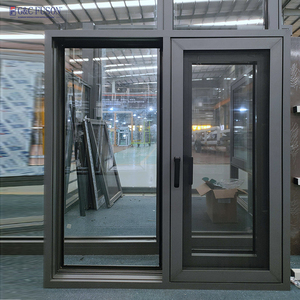
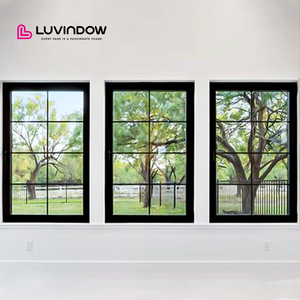
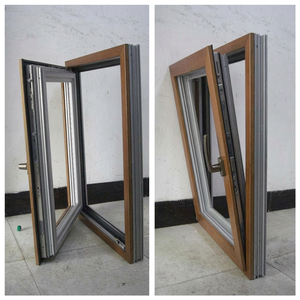
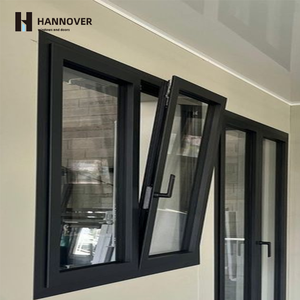
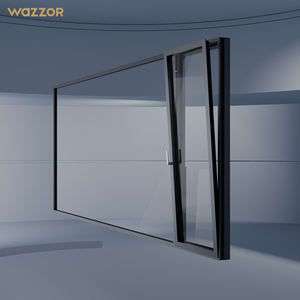
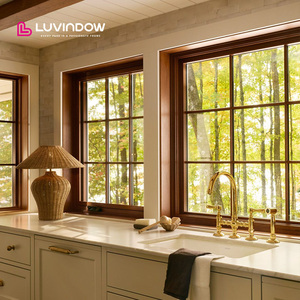
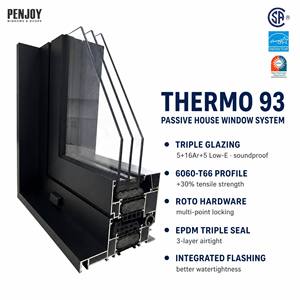
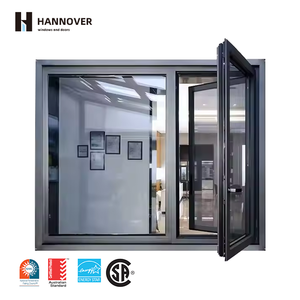
Combining 60+ years of heritage fabrication expertise with modern precision metallurgy, advanced surface treatments, and rigid quality assurance frameworks.
We utilize pristine 6063-T6 architectural grade aluminum extrusions providing superior tensile strength, exceptional dimensional stability under severe thermal loads, and complete resistance to twisting, rotting, or swelling.
Unlike lower-grade mechanically crimped or screwed frame corners that loosen and leak water over time, every corner in our sash and mesh sub-frame is 100% continuous sigma welded and hand-dressed smooth for structural permanence.
Our security insect mesh utilizes high-tensile SS304 or SS316 stainless steel wire woven to micronic tolerances and coated with electrostatic black PVDF resin, withstanding 3,000+ hours of neutral salt spray (ASTM B117).
Featuring imported polyamide (PA66 GF25) thermal struts inserted into aluminum profile chambers. Eliminates thermal bridging, prevents internal frame condensation, and reduces HVAC energy costs by up to 40%.
All exported insect screen mesh assemblies and window packages undergo rigorous testing to meet AAMA 101/I.S.2/A440 standards, NFRC energy ratings, and European CE compliance for global engineering contracts.
Zero stock limitations. Send us your architectural schedules or elevation drawings, and our engineering shop produces millimetric CAD shop drawings for sign-off prior to raw metal cutting and weaving.
Selecting the precise screen mesh substrate based on environmental exposure, mechanical impact resistance, and optical clarity demands.
| Mesh Material Type | Standard Wire Dia. | Weave Density | Tensile Strength | Corrosion Resistance | Primary Application |
|---|---|---|---|---|---|
| SS304 Marine Security Mesh | 0.80mm - 0.90mm | 11 x 11 Mesh | > 900 MPa | Very High (PVDF Coated) | High-security residential, anti-theft, storm barrier |
| SS316 Architectural Grade | 0.50mm - 0.70mm | 14 x 14 Mesh | > 1100 MPa | Extreme (Coastal Salt Air) | Coastal villas, oceanfront resorts, commercial plazas |
| Charcoal Fiberglass Mesh | 0.28mm - 0.32mm | 18 x 16 Mesh | Standard Elastic | High (Non-Rusting) | Standard fly screen, high visibility, budget residential |
| HDPE / Invisible High-Vision | 0.18mm - 0.22mm | 20 x 20 Mesh | Moderate Flex | High (UV Stabilized) | Micro-insect prevention (midges/gnats), maximum airflow |
| Aluminum Wire Screen | 0.24mm - 0.28mm | 18 x 14 Mesh | Medium Rigid | Moderate (Anodized) | Commercial windows, industrial screening, heat resistance |
The global demand for high-performance insect mesh and integrated aluminum window systems is undergoing a monumental paradigm shift. Driven by climate change, accelerating urbanization, and stringent regional energy codes (such as the EU Energy Performance of Buildings Directive and US Energy Star v7.0), B2B buyers can no longer evaluate insect mesh as a standalone secondary accessory. Today, insect screens are engineered as structural components of building envelopes.
Information Gain Key Takeaway: Modern architectural specifications mandate holistic window-screen integration. Standalone clip-on plastic screens are being systematically replaced by factory-fitted, frame-integrated SS304 security meshes and motorized concealed retractable systems engineered during primary profile extrusion.
Historically, building contractors imported raw aluminum windows and outsourced insect screening to regional secondary assemblers. This fragmented supply chain led to aesthetic mismatches, frame degradation during field drilling, and premature gasket failures. Premier Chinese manufacturers have pioneered monolithic profile extrusion—incorporating dedicated dual-track micro-channels directly into 6063-T6 aluminum extrusions.
This structural integration allows insect mesh frames (whether fixed flat screens, long-leg frames, or pleated retractable screens) to snap flawlessly into the primary frame with zero external mechanical fasteners visible to the end user. This minimizes air infiltration rates, enhances acoustic insulation (STC ratings), and streamlines field installation timeline by up to 35%.
In tropical and marine environments—such as the Caribbean, Southeast Asia, Florida, and the Gulf Cooperation Council (GCC) region—salt-spray oxidation destroys standard mesh coatings in under 24 months. Leading China exporters now deploy multi-stage electrostatic powder coating and fluorocarbon (PVDF) dipping technology for both wire meshes and extrusions.
A major technical hurdle for traditional heavy-duty security meshes was reduced optical transmittance and choked air ventilation. Modern B2B procurement strategies prioritize "Invisible High-Vision" meshes. By utilizing high-tensile 304L stainless steel wire drawn down to ultra-fine diameters (0.18mm to 0.25mm) paired with precision rapier weaving looms, Chinese manufacturers produce meshes offering up to 78% open area light transmission while maintaining complete resistance against pest intrusion and mechanical shear forces.
As international developers face ESG mandates, the raw material origin of architectural metalwork is heavily scrutinized. Leading manufacturers in China are transitioning to primary hydro-powered or solar-smelted aluminum ingots, producing 6063-T6 extrusions with a carbon footprint below 4.0 kg CO2e/kg Al (compared to global averages of 12.5 kg). Furthermore, aluminum extrusions and stainless steel mesh elements are 100% recyclable at end-of-life, eliminating plastic landfill waste associated with cheap vinyl alternatives.
Direct technical answers to critical questions asked by architects, importers, and facade contractors during submittal review.
Solid 6063-T6 structural aluminum offers an ultimate tensile strength exceeding 205 MPa, holding exact dimensions under extreme heat, humidity, and wind loads without warping, twisting, or rotting like timber. Unlike vinyl (PVC) frames that expand dramatically under solar heat and crack under thermal stress, aluminum supports far larger glass and mesh spans with slimmest sightlines. Paired with factory PVDF or anodized finishes, maintenance life exceeds 30 years without scraping or repainting.
Standard fly mesh (typically 18x16 fiberglass or fine aluminum wire) is designed strictly for insect exclusion and light air movement. High-tensile SS304 "Kingkong" mesh utilizes thick 0.80mm - 0.90mm structural stainless steel wire with a knife-shear resistance exceeding Australian AS5039 standards. It acts as both a premium insect screen and a formidable burglar deterrent capable of withstanding heavy impact forces without tearing or detaching from the frame multi-point locking channel.
A thermal break consists of a reinforced polyamide insulating strip (PA66 GF25) mechanically crimped between inner and outer aluminum extrusions. This breaks thermal conduction, preventing heat gain in summer and interior frame condensation in winter. Our factory engineers the insect screen receiving tracks on the outer un-broken or inner-broken profile section depending on whether it is an inward-tilt-and-turn window or outward-swinging casement, ensuring continuous thermal envelope integrity.
All frame members, sashes, and screen sub-frames are precision mitered and 100% sigma welded (TIG/MIG shielded arc welding) at every corner, then meticulously ground flat before surface finishing. Welded corners create a continuous monolithic metal bond that cannot loosen, rack out of square during transport, or open water penetration paths over time—unlike cheap mechanically crimped or plastic-corner connected screens.
Yes. 100% of our production is made to order according to your architectural CAD drawings and opening schedules. We offer complete custom matching for RAL powder coat colors, fluorocarbon PVDF finishes, woodgrain thermal transfers, and anodized tones. Radius head arches, raked trapezoids, and oversized commercial openings are fully supported with custom shop drawings provided for written sign-off prior to production.
Finished window and screen assemblies are wrapped in protective PE scratch film, corner-shielded with dense foam protectors, vacuum-sealed with VCI anti-corrosion desiccant packaging, and packed inside fully enclosed fumigated plywood crates with structural internal bracing. Every crate is engineered for fork-lift handling and container loading to guarantee units arrive 100% square and pristine.
Connect directly with our engineering team to request detailed submittal CAD drawings, material sample swatches, physical mesh sets, and direct factory pricing for your upcoming commercial or residential developments.