Precision-engineered 6063-T6 aluminum extrusion windows certified for high acoustic dampening (STC 40–52+ dB) and thermal efficiency.
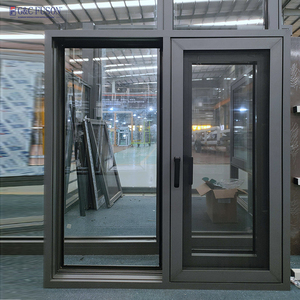
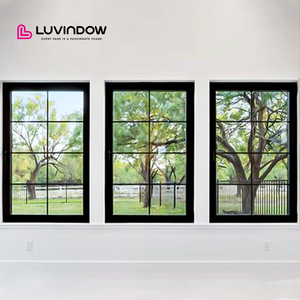
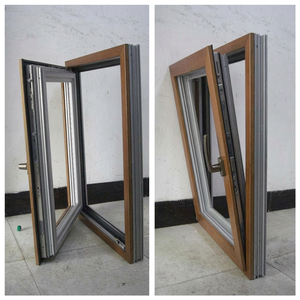
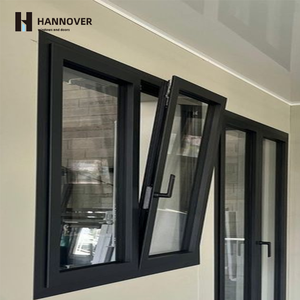

In contemporary architectural engineering, urban noise pollution has escalated into a primary environmental design challenge. High-density urban developments, proximity to transportation corridors, and strict commercial acoustical requirements demand specialized window assemblies. Sourcing acoustic windows directly from leading manufacturing hubs in China offers global procurement directors, architects, and developers an unmatched combination of structural customization, advanced glass science, and cost optimization. However, distinguishing high-performance OEM/ODM acoustic window manufacturers from standard fenestration assemblers requires a deep analysis of profile extrusion metallurgical properties, glass mass asymmetry, sealing elastomeric chemistry, and structural joining techniques.
Acoustic performance is measured via the Sound Transmission Class (STC) according to ASTM E413 standards, or the weighted sound reduction index ($R_w$) under ISO 717-1. Standard residential windows typically yield an STC rating between 26 and 28. In contrast, specification-grade acoustic windows engineered by top Chinese factories achieve STC ratings from 40 to over 52 dB. Achieving this level of attenuation requires precise engineering, replacing basic single-pane or standard double-pane glass with asymmetric glass thicknesses, laminated PVB/SGP acoustic interlayers, multi-chambered thermal break extruded aluminum profiles, and air-tight perimeter compression weatherstripping.
| Acoustic Performance Grade | Typical STC / $R_w$ Rating | Glazing Configuration | Primary Noise Attenuation Target |
|---|---|---|---|
| Standard Architectural Glazing | STC 26 – 30 dB | 4mm + 12Ar + 4mm Insulated Glass Unit (IGU) | General ambient residential background noise |
| High-Performance Soundproof | STC 38 – 42 dB | 6mm + 12Ar + 8.76mm Acoustic PVB Laminated Glass | Urban street traffic, light rail, commercial zones |
| Military & Airport Grade Acoustic | STC 45 – 52+ dB | 8mm Laminated + 16 Argon + 6mm Laminated (Triple/Asymmetric) | Direct flight paths, heavy highway freight, train stations |
The core structural advantage of elite Chinese acoustic window factories lies in their mastery of profile metallurgy and frame joinery. High-acoustic window frames must withstand heavy glass loads—often exceeding 45–60 kg per square meter—without frame deflection, sash sag, or seal degradation over decades of operational life.
Utilizing high-tensile 6063-T6 aluminum alloy profiles engineered for maximum structural rigidity. T6 heat-treating ensures high yield strength, preventing sash warp under heavy multi-layer acoustic glass loads.
Unlike budget factories relying on mechanically screwed or crimped corners that loosen over time, premier manufacturers employ continuous sigma welding across all frame corners and sash joints. A welded corner acts as a unified metal element, sealing off micro-air paths that compromise soundproof ratings.
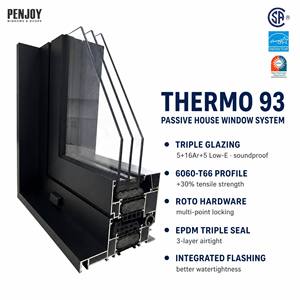
Thermal break profiles feature glass-fiber reinforced polyamide struts (PA66-GF25) separating exterior and interior profile sections. This non-conductive barrier cuts heat transfer while dampening structural vibration transmission through the metal profile.
A common vulnerability in acoustic isolation is acoustic flanking—where sound waves bypass the glass package by vibrating the frame or penetrating microscopic voids in mechanical corner crimps. By pairing sigma-welded frame corners with multi-cavity profile geometry filled with sound-absorbing polyisocyanurate foam, top-tier Chinese factories eliminate frame resonance and flank leakage entirely.
Sound travels as mechanical waves across a spectrum of frequencies. Standard insulating glass units (IGUs) with identical pane thicknesses (e.g., 6mm + 12mm Air + 6mm Glass) suffer from a critical limitation known as the coincidence dip. At specific resonant frequencies (typically between 2000 Hz and 3200 Hz), symmetric glass panes vibrate in harmony, allowing noise to pass through almost uninhibited.
Top China acoustic window manufacturers engineer advanced insulated glass packages to counteract this physical phenomenon through three specific methodologies:
Combining different glass pane thicknesses (e.g., 8mm outer pane with 6mm inner pane) shifts the resonant frequency of each pane to different points on the spectrum, neutralizing coincidence dips.
Incorporating specialized acoustic Polyvinyl Butyral (PVB) or SentryGlas Plus (SGP) interlayers between glass plies. Acoustic PVB features a viscoelastic core that converts acoustic wave energy into harmless micro-thermal energy.
Replacing standard dry air in the glass cavity with 90%+ Argon or Krypton gas. Inert gases possess a higher density than air, reducing the speed of sound propagation across the air space.
Replacing traditional hollow aluminum spacer bars with stainless steel/polypropylene warm-edge spacers, preventing acoustic bridge effects along the glass perimeter.
The global demand for high-performance acoustic windows is undergoing a massive transformation driven by changing urban zoning mandates, Passive House certifications, and decarbonization directives. Global buyers negotiating supply contracts with Chinese factories should align their sourcing strategies with these dominant market developments:
Historically, buyers had to choose between extreme thermal efficiency (low U-factors) or extreme acoustic attenuation (high STC). Next-generation manufacturing lines in China are breaking this tradeoff by standardizing triple-glazed, double-laminated thermal-break casement systems. These systems deliver U-factors under $0.80 \text{ W/m}^2\text{K}$ alongside STC ratings exceeding 48 dB, meeting both Passive House Institute (PHI) requirements and city noise ordinances simultaneously.
Coastal developments require windows that withstand severe storm pressures and corrosive salt-spray environments without sacrificing acoustic comfort. Sourcing trends show an increase in hybrid specifications—combining ASTM E1996 hurricane impact resistance with high acoustic damping. Premium Chinese exporters utilize Fluorocarbon (PVDF) electrostatic powder coatings certified under AAMA 2605, resisting salt fog exposure beyond 3,000 hours while retaining seal resiliency.
International procurement is moving away from off-the-shelf standard sizes. Leading Chinese acoustic window factories operate dedicated architectural engineering offices capable of turning around complete shop submittal drawings, structural wind-load calculation reports, and 3D Revit BIM models within 48 to 72 hours of receiving field elevations.
Connect with senior factory engineers to review custom architectural drawings, request acoustic test lab reports (ASTM/ISO), and receive project-based direct manufacturing quotes.