Explore our top-tier custom aluminum windows featuring multi-point locking gearboxes, heavy-duty casement locks, and hurricane-rated hardware integration.
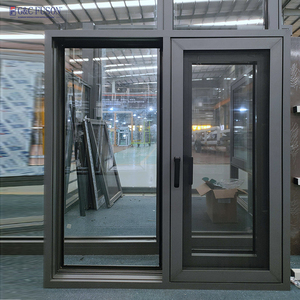 Multi-Point Lock
Engineered with high-security multi-point shoot-bolt locks and polyamide thermal barriers for maximum thermal insulation and anti-burglary protection.
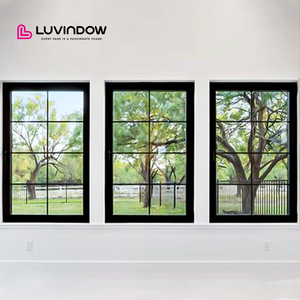 Impact Lock System
Features heavy-duty storm-resistant window locks, reinforced keeper plates, and ultra-thin sightlines designed to survive coastal hurricane force loads.
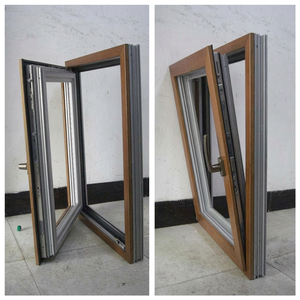 Acoustic Seal Lock
Equipped with perimeter compression locking latches that force continuous EPDM gaskets tight, achieving superior acoustic damping and zero air leakage.
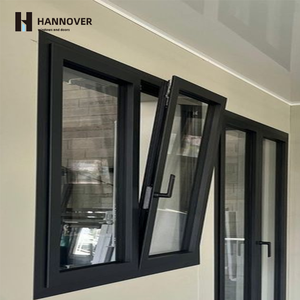 Villa Safety Hardware
Designed for modern residential luxury villas, integrating key-locking handles and concealed friction hinges with automated limit stops.
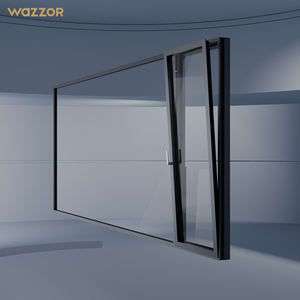 Typhoon Hardware
Industrial-grade stainless steel multi-point lock drive rods designed to withstand extreme wind pressure without frame deflection or latch displacement.
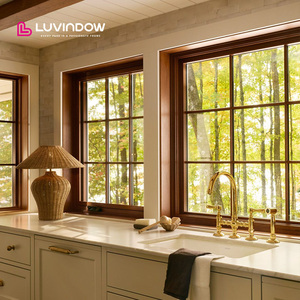 Architectural Lock
Combines classic timber aesthetics on the interior with modern marine-grade external aluminum locking mechanisms for heritage and modern facades.
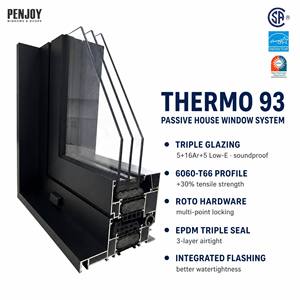 Energy Star Hardware
Energy Star Certified fenestration unit featuring precision-machined gearbox handles and dual compression locking points for zero cold-bridge bleed.
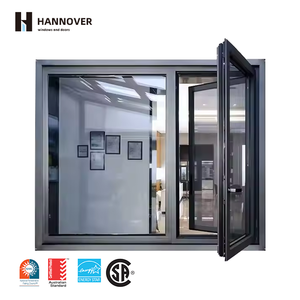 Tilt & Turn Mechanism
NFRC certified commercial system with integrated dual-mode tilt-and-turn gearboxes, providing dual-stage micro-ventilation and full security locking.
Window lock manufacturing is no longer merely a hardware stamping business; it is a core discipline within structural building envelope engineering. As structural glass sizes expand and building energy codes enforce stricter air-tightness thresholds, the mechanical demand placed on window locks, gearboxes, friction stays, and keepers has escalated dramatically. In contemporary fenestration design, a window lock performs three mandatory functions: structural force distribution, weather-seal compression, and forced-entry deterrence.
When evaluating global window lock manufacturers and factories, architectural specifiers categorize hardware assemblies based on operational kinematics and load capacities:
Premium window locks are tested against static loads up to 300 lbs applied directly to locking points to ensure resistance against crowbars and mechanical intrusion tools.
Locks exert upward of 150N of pulling force per cam, compressing thermal gaskets to meet Passive House air permeability thresholds below 0.6 ACH@50Pa.
Locking components subjected to external weathering utilize solid forged 304 or marine-grade 316 stainless steel to eliminate galvanic corrosion and surface pitting.
As international energy regulations become stricter and Smart Home automation matures, procurement teams are restructuring their supplier selection criteria for window hardware and factory partners. Sourcing directors no longer evaluate window locks in isolation; they analyze hardware compatibility with structural aluminum extrusions, thermal break polyamides, and automated building management systems (BMS).
Architects are increasingly specifying concealed electromechanical window locks. Modern factories must manufacture hardware capable of interfacing with 24V DC actuators, allowing touchless operation, rain-sensor auto-closing, and integration with Zigbee/Z-Wave home automation networks.
With coastal real estate development expanding globally, standard zinc-plated hardware is rapidly being phased out. Specifiers demand ASTM B117 salt spray testing performance exceeding 1,000 to 2,000 hours without red rust, favoring multi-layer electro-plated surfaces and marine-grade stainless steel assemblies.
Modern architectural fenestration trends favor minimalist sightlines with minimal aluminum frame exposure. This requires window lock manufacturers to design ultra-narrow gearboxes (less than 15mm depth) that drop cleanly into Euro-groove profile channels without compromising shear strength.
Typhoon and hurricane zones require locking systems that perform dual functions: locking against intrusion and locking against positive/negative wind pressures exceeding 4,000 Pascals. Heavy-duty interlocking keeps and reinforced corner drives are now mandatory in coastal procurement schedules.
Navigating vendor quotes from global window lock manufacturers requires a structured technical evaluation. Below is the standard B2B audit matrix used by structural engineers and commercial glazing contractors to benchmark supplier viability.
| Evaluation Metric | Standard Commercial Grade | High-End Architectural / OEM Grade | Impact on Project Risk & Lifespan |
|---|---|---|---|
| Base Metallurgy | Zinc Alloy (ZAMAK 3) / Mild Steel | Solid Extruded 6063-T6 / SS304 & SS316 | Prevents structural fatigue, snapping, and internal gear strip-out under load. |
| Cycle Life Testing | 10,000 to 20,000 Cycles | 50,000+ to 100,000 Cycles (EN 13126) | Reduces warranty claims and field replacement costs in high-traffic developments. |
| Corrosion Rating | 240 Hours Salt Spray (Grade 3) | 1,000 to 2,400 Hours Salt Spray (Grade 5) | Critical for coastal salt-air environments to prevent lock seizure. |
| Security Resistance | Basic Single Point Latch | EN 1627 RC2 / RC3 & ASTM F588 Multi-Point | Ensures property insurance compliance and protection against forced entry. |
| Customization & Engineering | Standard Stock Sizes Only | Full OEM/ODM Submittal Drawing Support | Allows custom profile matching, non-standard backsets, and flush hardware installation. |
As a vertically integrated custom aluminum window, door, and hardware manufacturer established in 1962, our facility bridges the gap between raw metallurgical extrusion and high-precision mechanical hardware integration. Unlike pure assembly plants, every unit built on our floor undergoes strict dimensional matching between profile geometry and locking mechanism tracks.
We extrude structural 6063-T6 aluminum alloy framing, ensuring our lock channels and gear housings maintain structural rigidity under extreme load without cracking or flexing.
All frame corners and sashes are continuously sigma welded and dressed smooth. Welded corners will not loosen, rack out of square, or break seal integrity over decades of operation.
Every order is manufactured directly from architect-approved shop drawings. We verify opening dimensions, profile depth, lock backsets, and hardware finishes prior to metal cutting.
We manufacture matching flat and long-leg insect screens featuring 16x18 charcoal fiberglass mesh and vinyl splines, designed with clip systems for tool-free homeowner cleaning.
Direct technical responses to common questions encountered by project managers, procurement officers, and architectural specifiers during vendor selection.