Engineered for structural resilience, energy performance, and hurricane-grade protection. Each system is precision-fabricated to submittal specifications using premium 6063-T6 aluminum extrusions and certified laminated glazing packages.
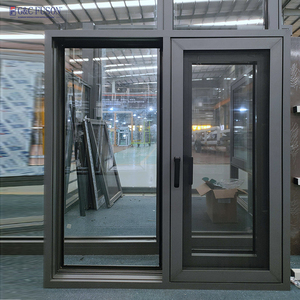
Designed for residential passive house standards, incorporating dual PVB laminated safety glass with triple-pane Low-E coatings to eliminate draft and extreme cold bridge conduction.
Send an Inquiry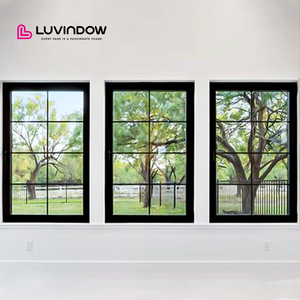
Engineered for coastal high-velocity hurricane zones (HVHZ). Utilizes SentryGlas structural interlayers bonded to ultra-slim 6063-T6 frames for maximum transparency and storm resistance.
Send an Inquiry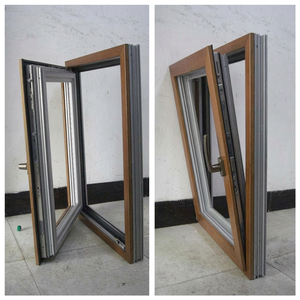
Precision acoustic dampening window packages utilizing asymmetrical laminated acoustic glass layers to suppress exterior low-frequency urban noise and airport sound waves.
Send an Inquiry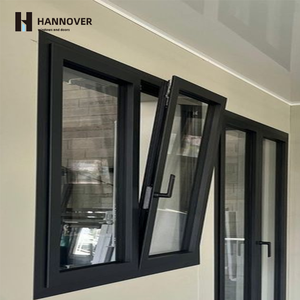
Heavy-duty luxury residential window assemblies with sigma-welded frame corners, multi-point stainless steel locking bars, and shatterproof PVB laminated glass panels.
Send an Inquiry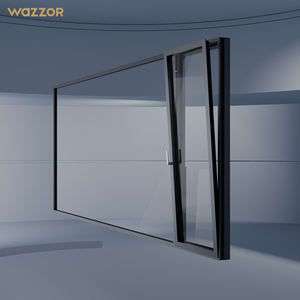
Industrial-grade typhoon protection window featuring reinforced wall thickness extrusions and heavy structural glass laminate designed to endure violent gust pressures.
Send an Inquiry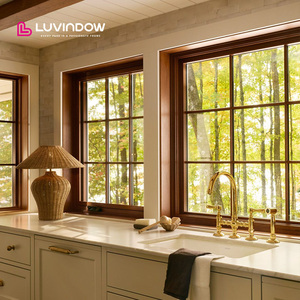
Combines exterior continuous-welded weather-resistant aluminum shielding with interior solid timber aesthetic, integrated with structural solar-control laminated glass.
Send an Inquiry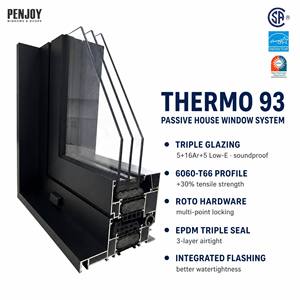
Certified passive window system utilizing dual low-emissivity surface coatings, argon gas filling, and structural glass lamination for maximum thermal efficiency.
Send an Inquiry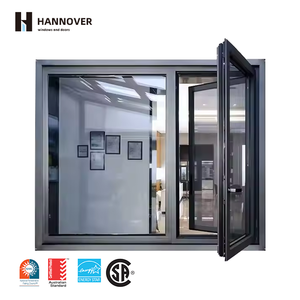
Versatile dual-action window system ideal for high-rise residential and commercial installations requiring inner sash ventilation and full exterior maintenance access.
Send an InquiryQuantifiable performance engineering backed by 60+ years of custom metal window and laminated glass fabrication experience.
Selecting a top-tier laminated glass factory requires evaluating raw material sourcing, interlayer polymer science, edge seal chemistry, and frame extrusion metallurgy. Below is an engineering comparison matrix for project specifiers.
| Interlayer Technology | Tensile Strength (MPa) | Shear Modulus (GPa) | Impact Resistance Class | Primary Application Field |
|---|---|---|---|---|
| Standard PVB (Polyvinyl Butyral) | 20 - 25 MPa | 0.0006 GPa | Class B (Human Impact / Basic Safety) | Standard Residential Soundproofing & Safety Glazing |
| Acoustic PVB (Tri-Layer Damping) | 18 - 22 MPa | 0.0004 GPa | Class B (High Sound Attenuation) | Urban Commercial, Airport & Hotel Windows (STC 40+) |
| SGP (SentryGlas® Ionoplast) | 345 MPa (5x Strength) | 0.30 GPa (100x Rigidity) | Class A HVHZ (Large Missile Impact / Bullet Resistant) | Coastal Hurricane Zones, Structural Glass Floors & Skylights |
| EVA (Ethylene-Vinyl Acetate) | 15 - 19 MPa | 0.001 GPa | Class C (Decorative / Solar Encapsulation) | Interior Partitions, Decorative Tinting & BIPV Smart Glass |
A laminated glass panel is only as dependable as the framing system surrounding it. Under high wind loads or intense thermal stress, frame deflection can pinch laminated glass along its sightlines, causing edge fractures or premature interlayer delamination. Premier manufacturers construct structural profiles exclusively from 6063-T6 aluminum alloy—a high-tensile magnesium-silicon extrusion treated to a T6 temper state yielding an ultimate tensile strength exceeding 205 MPa (30,000 psi).
Furthermore, while off-the-shelf commercial windows rely on mechanical corner cleating, crimping, and silicone sealant, top-tier architectural fabricators utilize full-penetration Sigma Welding (GMAW/GTAW Shielded Inert Gas Welding) across all frame joints. A continuous welded aluminum corner creates a monolithic structural loop that prevents joint racking, eliminates perimeter moisture penetration, and maintains dimension under extreme thermal expansion cycles.
To comply with modern NFRC, Title 24, and Passive House energy performance mandates, solid metal framing must incorporate a true thermal break. Conductive heat transfer through raw aluminum (k ≈ 160 W/m·K) is disrupted by inserting precision-extruded PA66-GF25 (Polyamide 66 reinforced with 25% glass fiber) struts between interior and exterior aluminum profiles.
Because PA66-GF25 exhibits a coefficient of thermal expansion (α ≈ 2.5 × 10⁻⁵ /K) nearly identical to structural aluminum, the composite frame expands and contracts uniformly without shear failure, maintaining airtightness (Class 8 standards) and U-factors down to 0.16 BTU/h·ft²·°F when combined with Low-E gas-filled laminated units.
Our manufacturing facility merges traditional Southern California master craftsmanship with automated CNC milling, automated lamination autoclaves, and rigorous quality control testing.
Unlike standard mechanically crimped or screwed frame corners that loosen over time and leak air/water, every joint we produce is full-penetration sigma welded and hand-dressed smooth for lifetime structural stability.
Zero stock size compromises. Every unit is engineered line-by-line from architectural CAD/BIM submittal drawings to match exact rough opening dimensions, glass bite requirements, and hardware configurations.
Extrusions undergo pre-treatment anodization or AAMA 2605 fluoropolymer (PVDF) powder coating, ensuring total resistance against salt spray, atmospheric oxidation, and high-UV coastal yellowing.
We manufacture two proprietary screen frame profiles (flat frame and long-leg frame) using roll-formed aluminum fitted with 16x18 charcoal fiberglass mesh and vinyl spline for toolless removal and easy cleaning.
High-pressure, temperature-controlled vacuum autoclaves eliminate micro-bubbles and ensure uniform chemical bonding between glass lites and interlayers, preventing edge clouding for over 30 years.
Custom heavy-duty ocean crating with corner protectors and desiccant packaging guarantees damage-free jobsite delivery for international commercial developments and luxury estates worldwide.
As building codes tighten globally around carbon neutrality, extreme climate resilience, and occupant wellness, structural glazing procurement is undergoing key technological shifts.
Traditional PVB is rapidly being superseded in commercial high-rise specifications by Ionoplast (SGP) interlayers. SGP offers 5 times the tear strength and 100 times the rigidity of standard PVB. In the event of glass breakage, SGP panels maintain structural standing load capacity, preventing envelope blowouts during high-category hurricanes and seismic activity.
To meet stringent Zero Energy Building (ZEB) performance mandates, top manufacturers are combining Vacuum Insulated Glass (VIG) technology with outer laminated safety lites. This hybrid configuration achieves thermal insulation values equivalent to solid masonry walls (U-values ≤ 0.08 BTU/h·ft²·°F) while preserving ultra-narrow frame sightlines.
Global procurement teams now require Environmental Product Declarations (EPDs) tracking embodied carbon (EC3 tools). Factories sourcing low-carbon primary aluminum smelted via hydro-electric power and utilizing up to 75% post-consumer recycled scrap are taking market share, significantly reducing Scope 3 building lifecycle emissions.
Integrated dynamic tinting laminates—incorporating electrochromic or polymer-dispersed liquid crystal (PDLC) films—allow real-time modulation of Solar Heat Gain Coefficient (SHGC). Automatically adjusting transparency based on direct solar irradiance lowers peak HVAC cooling loads by up to 30% in glass-heavy modern facades.
Direct technical answers to common engineering and sourcing questions raised by architects, general contractors, and facade consultants.
Solid 6063-T6 aluminum extrusions hold exact dimensions under extreme ambient temperature shifts, moisture, and structural wind loads. Unlike timber, aluminum will not absorb atmospheric water, rot, swell, or split. Unlike vinyl (uPVC), aluminum has superior flexural strength, supporting significantly larger glass spans with ultra-narrow sightlines without warping under solar heat load. Combined with a factory-applied anodized or PVDF finish, aluminum virtually eliminates recurring lifecycle repainting and scraping costs.
PVB (Polyvinyl Butyral) is a flexible polymer interlayer ideal for sound attenuation, basic UV filtering, and general safety glazing (breaking safely into blunt shards stuck to the film). SGP (SentryGlas® Plus Ionoplast) is a rigid structural interlayer engineered for maximum impact and load-bearing applications. SGP is 100 times stiffer and 5 times tougher than PVB. When SGP laminated glass fractures, the panel remains erect and rigid, preventing building intrusion and fallout even under intense storm winds or human impacts.
A thermal break is a continuous structural insulating barrier—typically glass-fiber reinforced polyamide (PA66-GF25)—placed inside the aluminum frame profile to separate interior metal from exterior metal. This barrier dramatically slows thermal conduction, preventing heat loss in cold climates and heat gain in hot climates while eliminating interior frame sweating (condensation). Thermal breaks are mandatory for conditioned commercial and residential spaces to meet energy codes (ASHRAE 90.1, Title 24, NFRC standards). Non-broken frames are reserved for unconditioned structures, interior partitions, or mild climates.
Mechanically crimped or screwed corners rely on internal cleats and liquid gaskets to maintain structural alignment and watertight seals. Over time, thermal movement, frame flexing, and wind loads loosen the mechanical fasteners, creating micro-gaps that allow water leaks and air infiltration into wall cavities. Sigma welding (inert gas arc welding) fuses the aluminum members into a continuous monolithic ring. A welded corner cannot loosen, rack out of square, or open a water path for the lifespan of the building facade.
Yes. Aluminum forms a natural protective oxide film that prevents structural rusting—unlike steel. For aggressive coastal salt-air exposures, we specify high-grade 6063-T6 extrusions with an AAMA 2605 fluoropolymer (PVDF) finish or marine-grade anodization, paired with 316 stainless steel operating hardware. Regular fresh-water rinsing of frame exteriors and weep slots keeps the system functioning flawlessly in coastal conditions.
Yes. Made-to-order custom fabrication is our standard manufacturing model. There are no catalogue size constraints, modular filler panels, or field-trimmed retrofits. Builders submit elevation schedules or shop drawings, and our engineering team produces detailed submittal drawings verifying net frame dimensions, glass bites, hardware locations, wind-load pressure calculations, and swing directions prior to raw material cutting.