OEM/ODM Window Flashing Supplier & Exporters

Precision Architectural Envelope Solutions, 6063-T6 Aluminum Integrations & High-Performance Weathertight Systems

SYSTEM INTEGRATED CATALOG

Engineering-Grade OEM/ODM Architectural Window & Flashing Systems

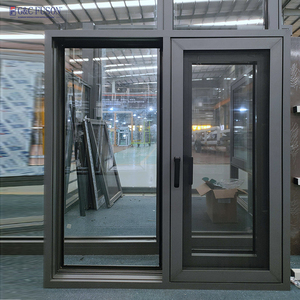
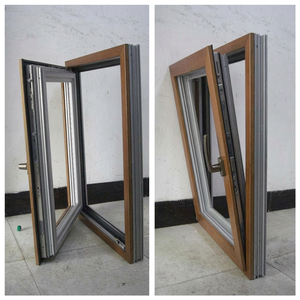
Fuson Thermal Break Aluminum Windows Double Glazing French Window
Fuson Thermal Break Aluminum Windows Double Glazing French Window Triple Glazed Casement House Windows
Get a Quote
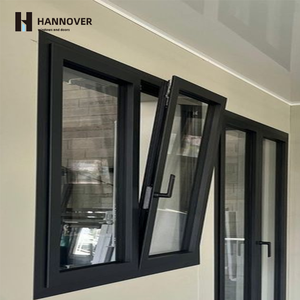
Hurricane Proof High Impact Black Aluminum Alloy Thin Profile Aluminium Windows
Hurricane Proof High Impact Black Aluminum Alloy Thin Profile Aluminium Windows And Doors Casement Window S For USA
Get a Quote
Soundproof Energy Saving Swing Double Glazing Triple Glazed Aluminum Casement Windows
Soundproof Energy Saving Swing Double Glazing Triple Glazed Aluminum Casement Windows for Apartment Passive House Luxury Hotels
Get a Quote
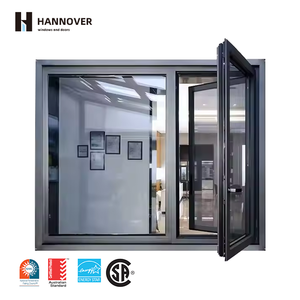
Double Glazed Aluminum Alloy Swing Casement Window Thermal Break System
Double Glazed Aluminum Alloy Swing Casement Window Thermal Break System For Energy Efficient Villa Homes
Get a Quote
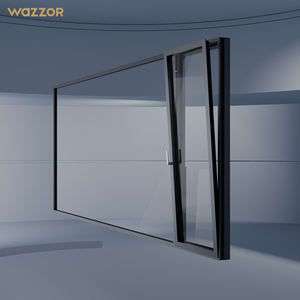
Wazzor Aluminum Window Manufacturers High-Quality Typhoon-Resistant
Wazzor Aluminum Window Manufacturers High-Quality Typhoon-Resistant And Energy-Saving Casement Windows Soundproof Windows
Get a Quote
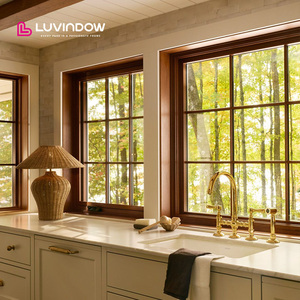
Elegant Modern Design Aluminum Clad Wood Windows Vintage Casement Windows
Elegant Modern Design Aluminum Clad Wood Windows Vintage Casement Windows For Houses
Get a Quote
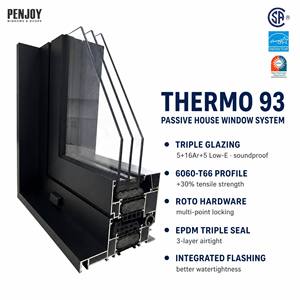
Penjoy Triple Glazing Low-E Tempered Glass Aluminum Swing Window
Penjoy Triple Glazing Low-E Tempered Glass Aluminum Swing Window Energy Star Certified Casement Window for Passive House
Get a Quote
Modern NFRC Aluminum Casement Window Double Or Triple Glazed Tilt And Turn Window
Modern NFRC Aluminum Casement Window Double Or Triple Glazed Tilt And Turn Window Custom Sizes For Villa Commercial Projects
Get a Quote
60+
Years Fabrication Mastery
6063-T6
Structural Alloy Grade
100%
Sigma Welded Corners
ASTM E2112
Flashing Standard Verified
TECHNICAL WHITEPAPER & ENGINEERING SPECIFICATIONS

Mastering Building Envelope Integrity: The Critical Metallurgy and OEM Integration of Extruded Window Flashing Systems

In contemporary architectural engineering, the perimeter interface between structural fenestration framing and the water-resistive barrier (WRB) represents the primary point of thermal loss and moisture intrusion. As a global Premier OEM/ODM Window Flashing Supplier and Exporter, our manufacturing ethos centers on eliminating mechanical vulnerability through precision engineering, 6063-T6 structural aluminum extrusion, and continuous sigma-welded joinery.
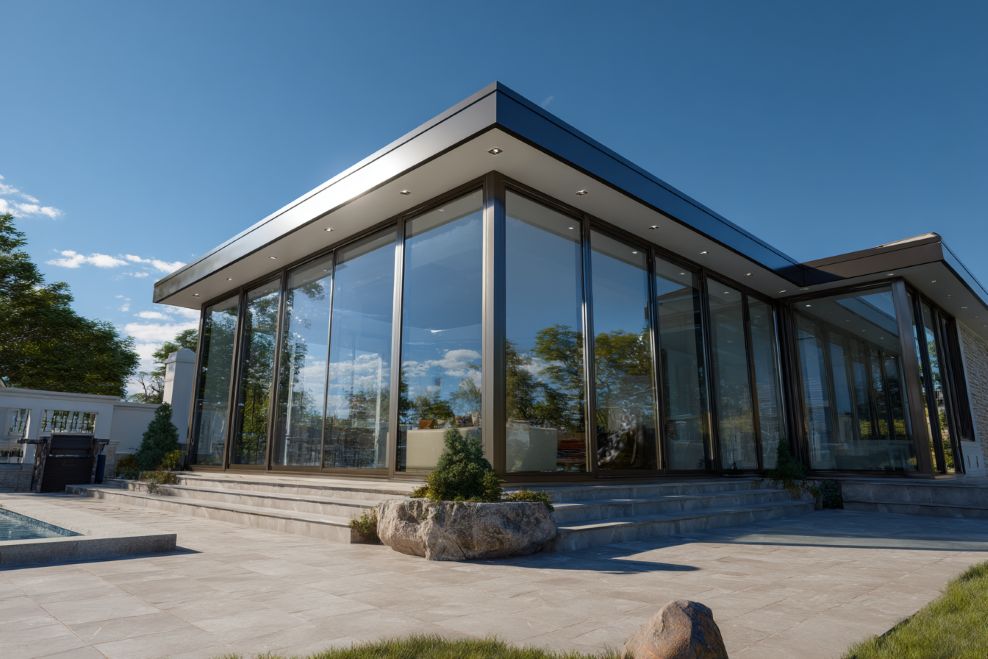
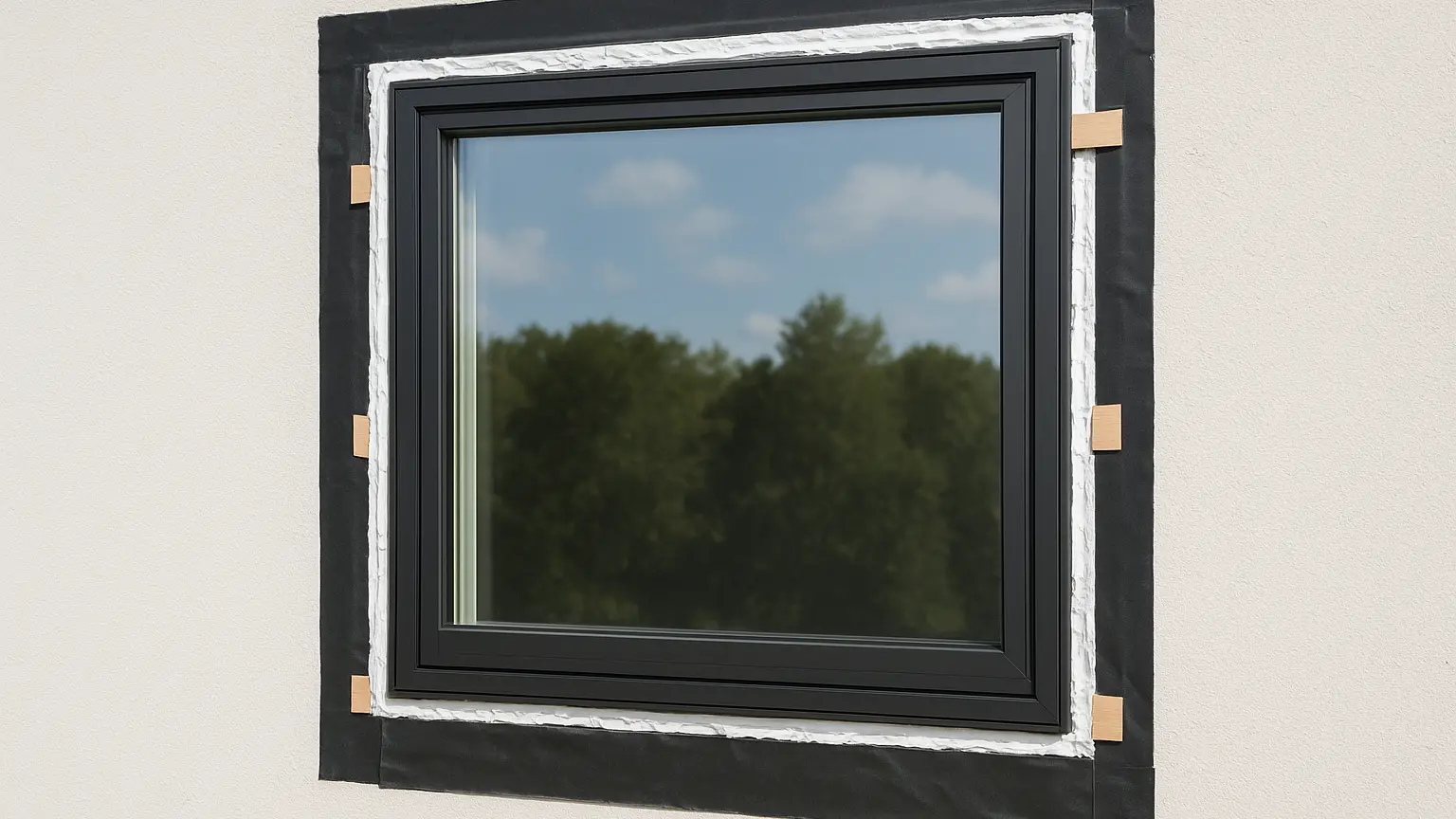
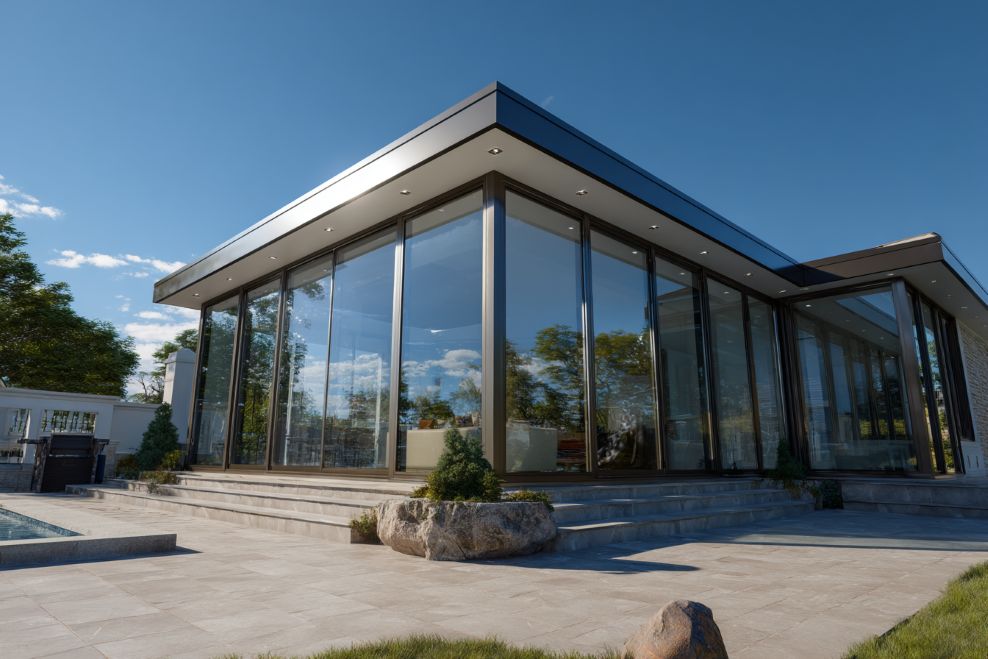
Precision Manufactured Glass and Aluminum Flashing Assembly

1. Structural Integrity & Metallurgical Engineering

Unlike standardized vinyl (uPVC) or thin-gauge roll-formed aluminum flashing components that deform under differential thermal expansion, our custom OEM/ODM window flashing extrusions utilize high-tensile 6063-T6 aluminum alloy. Treated through rigorous solution heat management and artificial aging, 6063-T6 provides an ultimate tensile strength exceeding 205 MPa and yield strength of 170 MPa.

When integrated into curtain walls, heavy-duty sliding doors, and hurricane-rated casement systems, extruded sill pans and head flashings act as structural load transferring elements. They retain strict dimensional tolerances across ambient temperature swings ranging from -40°C to +85°C, preventing seal degradation and structural fatigue.
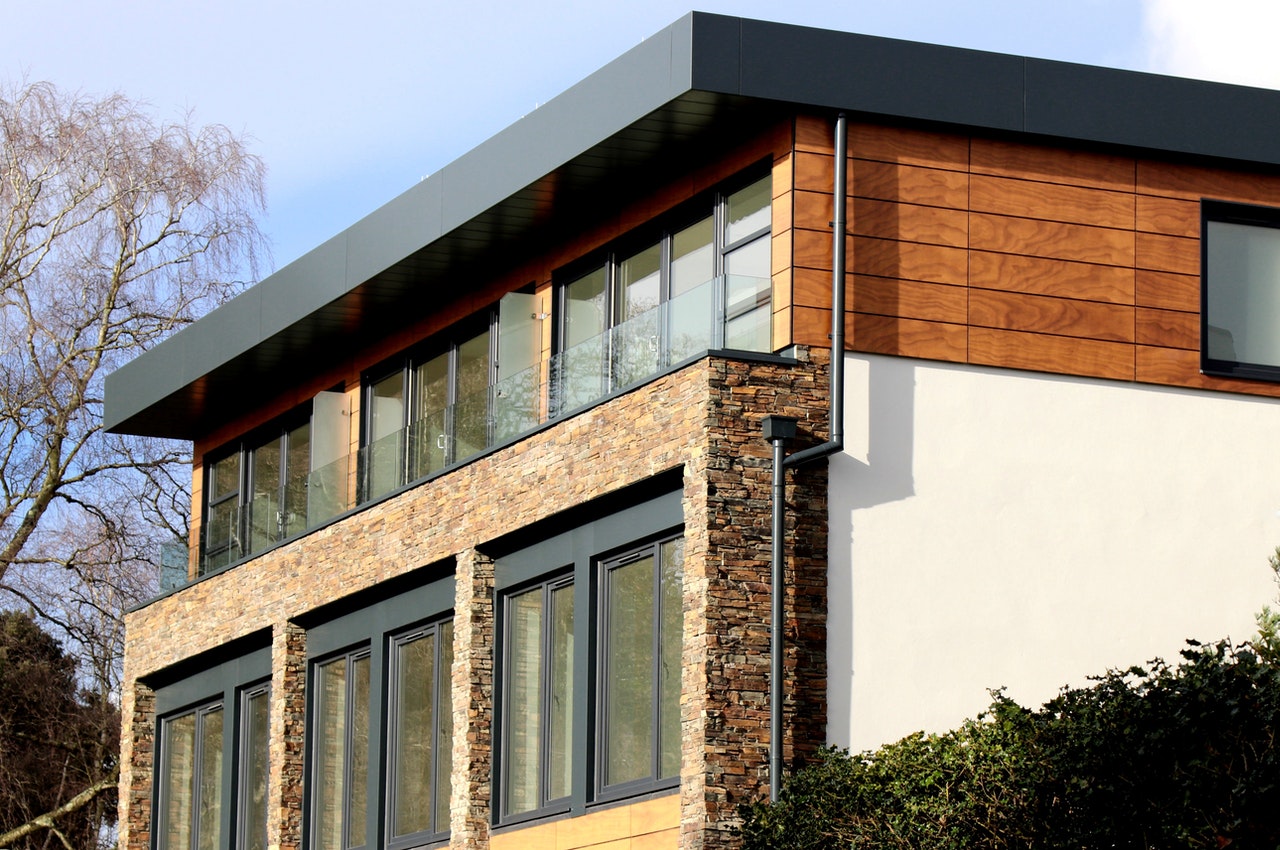
Sigma Welded Aluminum Frame Joints and Sill Flashing Integration

2. The Imperative of Sigma-Welded Corner Joinery

Traditional fenestration flashing relies on mechanical fasteners, crimped joints, and field-applied polyurethane mastics at critical 90-degree corner intersections. Over time, building settlement, wind load deflection, and cyclic thermal stress cause mechanical joint movement, resulting in microscopic sealant tearing and water penetration behind the exterior wall cladding.

Our specialized OEM manufacturing process employs Sigma Welding (Shielded Inert Gas Metal Arc) across all aluminum flashing corners, sill end-dams, and frame transitions. By fusing the aluminum parent metal at temperatures exceeding 600°C, the corner behaves as a monolithic, continuous structural shield. Water paths are permanently eliminated at the metallurgical level, providing absolute fluid tight performance backed by over 60 years of Southern California shop heritage.

Engineering Gain Note: Field audits reveal that over 80% of window-related envelope failures stem from improper sill pan drainage and mechanical flashing corner leakage—not glass failure. Factory-engineered, sigma-welded aluminum flashing assemblies mitigate 100% of these field-assembly risks.

ENTERPRISE ADVANTAGES

Why Global Architects, Developers & Distributors Partner With Us

From submittal shop drawings to ocean-crating, our custom manufacturing pipeline is engineered for institutional B2B export efficiency.

Exact Submittal CAD/BIM Fabrication

We build strictly dimension-by-dimension according to your architect's submittal drawings. Zero reliance on stock sizes or filler panels. Every profile, extrusion leg, weep hole, and flashing return is verified in shop submittal proofs prior to metal cutting.

AAMA 2605 Coastal Finishing

Export units destined for coastal high-salinity or high-UV environments receive multi-coat fluoropolymer PVDF resin finishes or Class I Anodization (AAMA 611). Guaranteed resistance against salt-spray corrosion, chalking, and color fading for decades.

Full International Export Compliance

Our engineering team designs window flashing and frame systems certified under NFRC, CE, Energy Star, and Florida Building Code (High-Velocity Hurricane Zones - HVHZ). Reinforced packaging guarantees zero distortion during container transit.

INDUSTRY HORIZON 2025–2030

Future Development Trends in Building Envelopes & OEM Window Flashing Procurement

A. Shift Toward Integrated Thermal-Break Flashing Systems

Historically, window flashings were treated as separate sheet-metal add-ons installed by general framing contractors. The industry is rapidly shifting toward Factory-Integrated Thermal Barrier Flashing Systems. In high-performance architectural projects (such as Passive House and net-zero commercial builds), raw uninsulated aluminum flashing creates a severe thermal bridge that violates local building energy codes (e.g., ASHRAE 90.1, IECC 2024).

Future-ready OEM/ODM suppliers now embed structural polyamide (PA66 GF25) thermal breaks directly between the exterior aluminum flashing lip and the interior sill support track. This structural decoupling slows heat conduction by up to 85%, eliminating interior frame sweating and preventing mold growth on drywall return reveals.

B. Extreme Weather Resilience & High-Velocity Wind Driven Rain Standards

Driven by escalating global climate volatility, building codes worldwide are dramatically tightening water-head resistance parameters. Standard gravity-drain flashings are insufficient for hurricane-prone coastal regions where wind pressures force water upward along sill inclines.

Next-generation flashing procurement mandates Positive-Slope Mechanical Rear Dams combined with pressure-equalized weep chamber channels. Under test pressure conditions exceeding 720 Pa (15 psf water resistance per ASTM E331), engineered extruded flashings prevent static water accumulation and force rapid outward gravity relief without reliance on perishable exterior sealants.
Thermally Broken Frame and Integrated Flashing Integration

C. Procurement Trends: OEM Standardization & Modular Prefabrication

With skilled job-site labor shortages escalating in North America, Europe, and Australia, general contractors are shifting subassembly risks back to OEM manufacturers. Procuring modular, pre-flashed window units reduces installation field time by over 40% and mitigates sub-contractor liability.

  • Factory-Applied EPDM/Self-Adhering Membrane Tails: Flashing profiles delivered from the factory with pre-bonded membrane margins ready for instant WRB tie-in.
  • Custom Extruded Sub-Sill Assemblies: Heavy-duty extruded sill receivers designed for snap-in, drop-lock window placement.
  • BIM-Integrated Supply Chains: Automated integration between Revit model dimensions and CNC extrusion cutting lines.
SPECIFICATION MATRIX

Technical Comparison: Flashing & Frame Material Performance

Comprehensive material metric evaluation for architectural specifiers and OEM purchasers.

Performance Metric 6063-T6 Extruded Aluminum (Our Standard) Roll-Formed Sheet Aluminum (0.040") Galvanized Steel / Sheet Metal uPVC / Vinyl Extrusion
Tensile Yield Strength 170 - 214 MPa 90 - 110 MPa 210 - 250 MPa 40 - 50 MPa
Corner Joint Construction 100% Sigma Welded (Monolithic) Overlapped & Sealed (Mastic) Soldered / Spot Welded Hot-Air Butt Welded
Coefficient of Thermal Expansion 23.4 µm/m·K (Highly Stable) 23.4 µm/m·K 12.0 µm/m·K 50 - 80 µm/m·K (High Warp Risk)
Coastal Salt-Spray Resistance Exceeds 3,000 hrs (AAMA 2605) 1,000 hrs (AAMA 2603) Prone to Red Rust / Edge Degradation Impervious (Degrades under UV)
Water Head Pressure Capacity 720 Pa (15.0 psf) 300 Pa (6.25 psf) 350 Pa (7.30 psf) 470 Pa (9.75 psf)
Custom Profile Versatility Infinite OEM/ODM Extrusion Capability Brake Formed Shapes Only Brake Formed Shapes Only Limited Modular Dies
FABRICATION EXCELLENCE

Precision Shop Floor Execution & Assembly Detail

Welded Frame Sliding Door and Flashing Assembly

Heavy-Duty Door Sill Flashing

Extruded 6063-T6 threshold flashing system configured for high-traffic commercial swinging and sliding openings.

Installation Flashing Sequence

Installation Sequence Integrity

Multi-layer shimming, weather gasket compression, and outer seal tie-in for complete air and moisture barrier continuity.

Integrated Screen and Flashing Channel Frame

Insect Screen Integration

Roll-formed insect screen frames with long-leg retaining clips seamlessly fitted into the interior window channel.

OEM Window Procurement and Technical Support Consultation
B2B PROCUREMENT & ENGINEERING FAQ

Frequently Asked Technical Questions

Direct answers from our senior fenestration engineers regarding OEM/ODM manufacturing, flashing integration, and export logistics.

Why specify solid 6063-T6 aluminum window flashings over timber or vinyl profiles?
Solid 6063-T6 aluminum frames and flashings hold strict structural dimensions under intense heat, humidity, and structural loading. Timber absorbs moisture, causing swelling, warping, rotting, and cracking over time. Vinyl (uPVC) has a high coefficient of thermal expansion, rendering it prone to bowing and seal degradation under sun exposure. 6063-T6 aluminum supports far larger glass spans with narrow sightlines while requiring zero ongoing repainting or structural scraping.
What is an integrated thermal break, and when is it required for window flashing systems?
A thermal break is a high-density insulating barrier (typically glass-fiber reinforced polyamide PA66) mechanically locked inside the internal structural aluminum profile. It completely isolates exterior metal from interior metal, slowing conductive heat transfer. Thermally broken flashing and window systems are essential in conditioned buildings located in cold or hot climates to comply with modern energy codes and prevent frame sweating that damages interior drywall and sill trim.
How are frame corners and flashing end-dams assembled in your factory?
All frame profiles, flashing returns, sashes, and panel joints are 100% Sigma Welded at every corner and dressed smooth on the shop floor. A sigma-welded joint forms a continuous metal bond, ensuring that corners can never rack out of square or open a water-leak path over decades of structural building movement—unlike mechanically screwed or crimped corners relying on temporary caulking.
Can you manufacture window flashing assemblies to custom architectural drawings and non-standard sizes?
Yes. Every single unit we export is manufactured custom to order according to your submittal dimensions. We have no stock size constraints or filler panels. Send your opening elevations, CAD files, or submittal shop drawings, and our engineering department will verify profile selection, glazing specifications, flashing returns, hardware placement, and swing directions prior to metal cutting.
Are your OEM window and flashing packages suitable for severe coastal salt-air environments?
Extruded aluminum inherently does not rust, vastly outperforming steel near marine oceanfronts. For high-salinity coastal applications, we apply premium AAMA 2605 fluoropolymer (PVDF) architectural coatings or Class I Anodized surface treatments, paired with 316-grade stainless steel hardware and corrosion-proof EPDM gaskets.

Ready to Partner with a World-Class OEM/ODM Flashing & Window Manufacturer?

Submit your architectural schedule, CAD drawings, or project specifications today. Our engineering sales team delivers comprehensive cost takeoffs and technical shop drawings within 48 hours.

Get a Quote