Manufactured to exact submittal drawings with continuous sigma-welded joints, premium finishes, and high-performance screening systems.
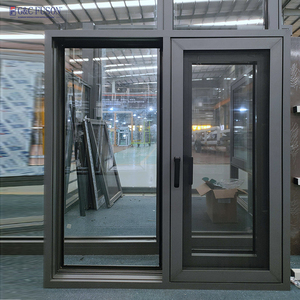
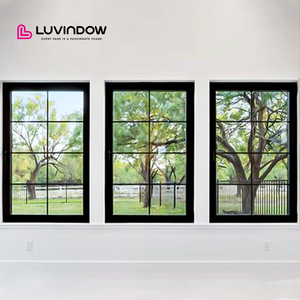
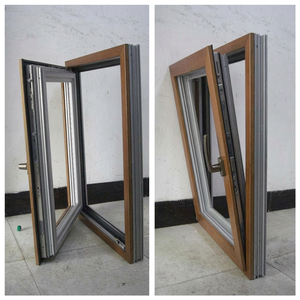
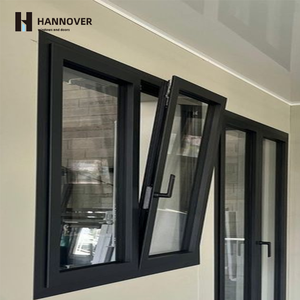
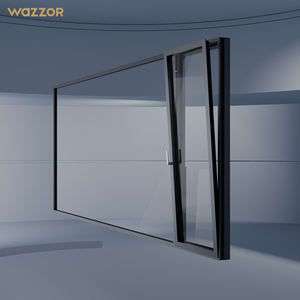
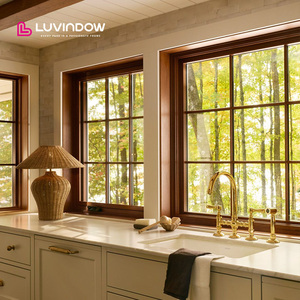
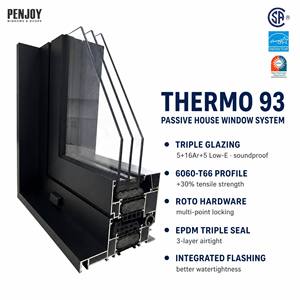
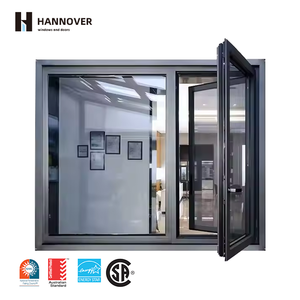
In modern architectural fenestration, an insect screen is no longer a mere secondary add-on; it is an integral structural component of modern building envelopes. As a premier Custom OEM Window Screens Manufacturer & Factory with over six decades of heritage (established 1962), our engineering methodology eliminates the systematic failures associated with mass-produced, mechanically crimped window assemblies.
Standard off-the-shelf screens utilize light-gauge roll-formed plastic corner keys that degrade under UV radiation and mechanical cycling. By contrast, our OEM production facilities utilize heavy-wall 6063-T6 aluminum extrusion alloys combined with advanced sigma-welding fabrication techniques. Every frame corner behaves as a single continuous monocoque structure, providing exceptional structural rigidity, dimensional stability, and resistance to environmental stress.
| Specification Parameter | Standard Market Grade | Our OEM Factory Benchmark (6063-T6) |
|---|---|---|
| Frame Alloy & Temper | 6063-T5 or Recycled Secondary Aluminum | Primary Structural 6063-T6 Architectural Alloy |
| Corner Assembly Method | Plastic Corner Inserts / Stamped Crimps | Sigma-Welded Joints Dressed Smooth & Seamless |
| Screen Mesh Options | Standard 18x16 Vinyl Mesh | 16x18 Charcoal Fiberglass / Micro-Mesh SS316 / TuffScreen |
| Coating & Salt Spray Resistance | Basic Powder Coating (<500 hrs salt spray) | AAMA 2605 / 2604 PVDF Coatings (>4,000 hrs ASTM B117) |
| Thermal Break Integration | Non-Broken Single Cavity | Polyamide Pressure-Equalized Isothermal Struts |
Our custom OEM production lines support both Flat Frame and Long-Leg Frame configurations. Designed for rapid integration into primary casement, tilt-and-turn, sliding, and awning window profiles, our screens utilize high-tensile vinyl spline retention systems paired with architectural-grade stainless steel spring clips. This ensures homeowners and facility managers can remove, clean, and re-hang screens effortless without structural fatigue or hardware loss.
An authoritative analysis of global fenestration demand, regulatory shifts, and technical advancements shaping commercial and luxury residential procurement.
Architectural specifications are rapidly moving toward ultra-narrow sightlines and flush-mounted profiles. Procurement officers must source OEM manufacturers capable of producing recessed, zero-sightline screen tracks that blend seamlessly into thermally broken window outer frames without creating thermal bridges or compromising water shedding capability.
Global coastal urban development demands superior corrosion resistance. Procurement trends indicate a decline in standard liquid paint in favor of AAMA 2605 compliant hyper-durable fluoropolymer coatings and heavy-micron hardcoat anodizing capable of enduring severe marine salt-spray exposures (ASTM B117 verified for 4,000+ hours).
The global shift toward energy-efficient building envelopes requires window screens to function as dynamic solar heat gain coefficients (SHGC) mitigators. Modern procurement specifies high-transparency micro-mesh (e.g., 20x20 weave stainless steel or coated high-density solar meshes) to reduce solar heat gain while preserving optical clarity.
Leading general contractors and real estate developers require rapid submittal approvals. B2B purchasing now heavily favors factories equipped with dedicated BIM (Building Information Modeling) and CAD shop drawing support to streamline project submittals and prevent jobsite delays.
Building codes in high-velocity hurricane zones (HVHZ) and coastal storm regions mandate heavy-duty mesh retention systems. OEM demand has surged for stainless steel safety mesh integrated into multi-point locking screen frames that resist storm debris and high mechanical impact.
With tightening ESG directives across North America and Europe, specifiers are moving away from short-lifespan PVC and vinyl profiles toward 100% recyclable architectural metals. Aluminum frames offer continuous lifecycle recycling without material degradation, drastically lowering whole-life carbon footprints.
The window screen industry has evolved from crude, stapled wire meshes into precise aerospace-adjacent extrusion and woven composite technology. Understanding these advancements is crucial for buyers optimizing performance, longevity, and margin.
Our factory utilizes precision 6063-T6 aluminum extrusion dies configured with internal reinforcement ribs. T6 heat treatment yields an ultimate tensile strength of at least 210 MPa (30,000 psi) and yield strength of 170 MPa (25,000 psi). This high rigidity prevents screen frame bow—a common defect in wide window openings where screen spline tension causes weak aluminum frames to dish inward.
Instead of relying on fragile mechanical assembly corner keys, our OEM manufacturing line employs continuous shielding gas welding across all frame corners. Joints are then mechanically dressed and finished smooth, creating a completely sealed corner that prevents moisture ingress, salt accumulation, and structural rack deformation under heavy wind loads.
Modern insect mesh technology now features vinyl-coated fiberglass yarn woven with microscopic precision (16x18, 20x20 mesh counts). This provides optimal airflow dynamics while effectively blocking micro-gnats (no-see-ums). Additionally, marine-grade SS316 woven wire meshes are available for high-security and high-impact applications.
To meet stringent Passive House and Energy Star criteria, screen channels are directly integrated into the polyamide thermal barrier systems of primary window frames. This eliminates direct thermal conductivity between interior and exterior metals, eliminating frame condensation and minimizing thermal loss.
Over six decades of specialized fabrication experience delivering tailored OEM window and screen solutions directly from our production floors.
Every single unit is built to order according to your architectural submittal drawings. There are zero stock size constraints, eliminating the need for filler panels or compromised field adjustments.
From frame depth and glass bite to custom RAL color matching, specialized screen mesh types, and custom mounting hardware, we build exact fenestration systems for unique global projects.
Each unit is individually labeled according to your project schedule, protected with edge guards, and packed into custom heavy-duty export crates engineered for ocean freight transit.
Comprehensive answers regarding technical specifications, custom fabrication workflows, shipping, and warranty compliance.
Send us your window schedules, architectural submittals, or OEM product specifications. Our technical engineering team will deliver detailed shop proposals and competitive factory pricing within 24 hours.