Custom fabricated to exact architect submittal drawings. Optimized for structural durability, high acoustic attenuation, and maximum climate efficiency.
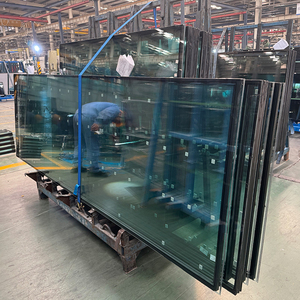
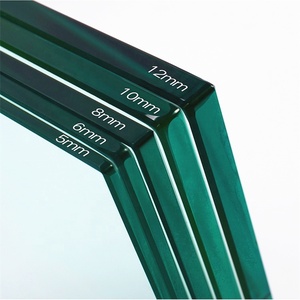
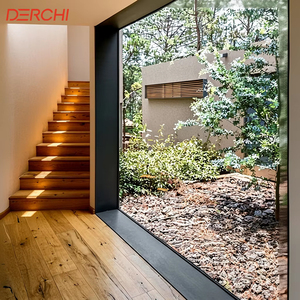
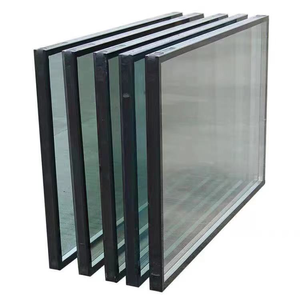
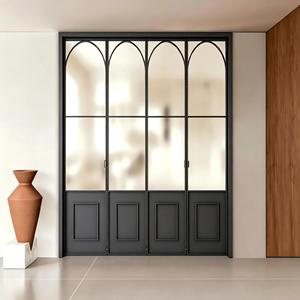
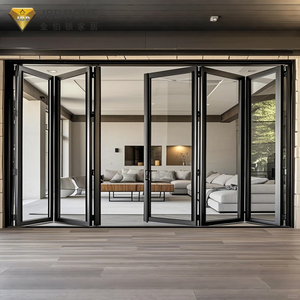
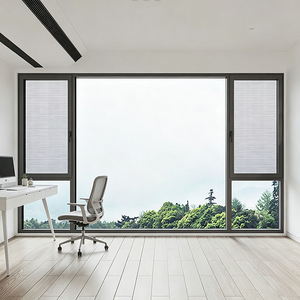
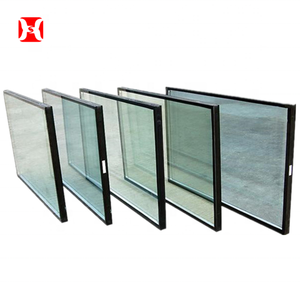
In modern architectural engineering, the glass facade is no longer merely a transparent barrier; it is an active high-performance thermal engine, acoustic shield, and structural component. As stringent international building codes push zero-energy initiatives, procurement teams, architectural specifiers, and glazing contractors demand technical precision far beyond standard catalog offerings. Custom OEM insulated glass manufacturing bridges the gap between ambitious architectural drawings and physical building envelope reality.
An Insulated Glass Unit is a multi-layer assembly consisting of two or more lites of glass separated by a sealed air or noble gas cavity. The performance of a custom OEM insulated glass package depends on precise material selection across five structural elements:
Every structural aluminum frame corner is full-depth sigma welded and dressed smooth. Unlike screwed or crimped joints, welded corners create a solid continuous metal structure that will never loosen, rack, or leak moisture over time.
Polyamide insulating strips separate interior and exterior aluminum profiles, stopping cold/heat conduction and eliminating frame condensation in high-humidity or freezing climate zones.
Over six decades of specialized fabrication experience delivering tailor-made glazing units. Engineered dimension-by-dimension to strict submittal specs without stock frame restrictions.
Data-driven selection parameters for real estate developers, commercial architects, and project procurement managers looking to balance U-Factor ratings, acoustic attenuation (STC), and overall structural mass.
| Glazing Specification | Center U-Value (Btu/h·ft²·°F) | SHGC Range | Acoustic Rating (STC) | Primary Commercial Use-Case |
|---|---|---|---|---|
| Double Tempered Low-E (Standard IGU) | 0.24 – 0.28 | 0.25 – 0.40 | 31 – 35 dB | Residential infill, mid-rise commercial windows |
| Triple Insulated Tempered Low-E | 0.12 – 0.16 | 0.18 – 0.32 | 36 – 40 dB | Passive House developments, cold climate facades |
| Acoustic Laminated Insulated Glass | 0.22 – 0.26 | 0.22 – 0.38 | 39 – 45 dB | Hospitality, airport perimeters, urban school zones |
| Vacuum Insulated Glass (VIG Hybrid) | 0.06 – 0.10 | 0.20 – 0.35 | 38 – 42 dB | Ultra-thin retrofit facades, historic preservation |
| Heavy-Duty Coastal Impact IGU | 0.25 – 0.30 | 0.21 – 0.35 | 42 – 48 dB | Hurricane zones, coastal villas, high-salinity exposure |
The global insulated glass market is undergoing a structural shift driven by carbon taxation, localized green building certifications (LEED v4.1, BREEAM), and advancements in automation. Key trends reshaping OEM factory procurement include:
Global developers now require Environmental Product Declarations (EPDs) tracking embodied carbon from raw quartz extraction through aluminum extrusion. Advanced OEM factories utilize recycled 6063-T6 aluminum billets and closed-loop water glass cutting lines to lower upfront carbon metrics.
Minimalist architectural aesthetics demand expansive glass areas with minimal framing sightlines. Custom OEM facilities are scaling automated dual-seal lines to handle oversized 3m x 6m jumbo IGU units without sacrificing flatness or optical distortion standards.
Smart dynamic glazing that tint electronically based on solar intensity or integration of semi-transparent Building Integrated Photovoltaics (BIPV) inside the IGU air cavity are moving from niche experimental projects to standard commercial submittals.
Off-the-shelf window lines force architects to compromise on sightlines and installer crews to manipulate openings with non-structural filler panels. Our custom manufacturing model delivers units built precisely to your project schedules, elevation drawings, and thermal requirements.
Solid 6063-T6 structural aluminum maintains precise dimensional stability across extreme temperature swings (-30°C to +80°C). Unlike wood, aluminum will not absorb atmospheric moisture, warp, or rot over time. Compared to vinyl (uPVC), aluminum has substantially higher structural strength, allowing significantly thinner sightline profiles with far larger insulated glass payload capacities without frame deflection.
Aluminum is a natural thermal conductor. A thermal break introduces a non-conductive Polyamide (PA66 with 25% glass fiber reinforcement) barrier inside the extruded profile. This barrier physically splits the exterior metal frame from the interior metal frame, drastically reducing thermal energy transfer. By keeping the interior aluminum frame surface temperature close to ambient room temperature, interior moisture cannot condense onto the frame.
Our OEM factory utilizes automated dual-seal IGU production lines featuring online gas-pressurized filling and continuous primary PIB sealant extruders. Automated robotic secondary sealant application ensures zero pinhole voids. Every batch undergoes non-destructive laser spark gas concentration testing to confirm Argon fill levels exceed 90% and seal permeability meets ISO/IGCC standards.
Yes. 100% of our production runs are built to order. There are no stock size constraints. We handle complex architectural geometries including raked heads, segmented arch tops, radius curves, and corner-glazed units. Prior to metal cutting, our engineering shop issues comprehensive submittal drawings detailing frame depths, glass bites, weep detailing, and swing clearances for formal architect approval.
Aluminum naturally forms a protective oxide layer that resists atmospheric corrosion. For marine environments, we apply high-durability AAMA 2605 compliant PVDF fluoropolymer finishes combined with 316-grade stainless steel operators, hinges, and multipoint locking hardware. Standard freshwater rinses of weep holes keep units functioning flawlessly for decades near sea spray zones.
All units are individual elevation-tagged according to shop drawings, fitted with corner protective caps, interleaved with shock-absorbing cork pads, and vacuum-wrapped. Units are then loaded into fully enclosed, fumigated ISPM-15 heavy-duty timber crates reinforced with steel strapping to guarantee zero vibration damage during ocean or overland transportation.