Explore our primary export-grade architectural fenestration solutions, fabricated directly from high-tensile 6063-T6 aluminum alloys featuring sigma-welded joints, Low-E thermal packages, and certified hurricane-proof structural framing.
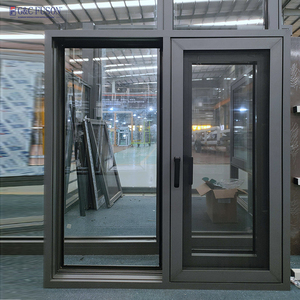
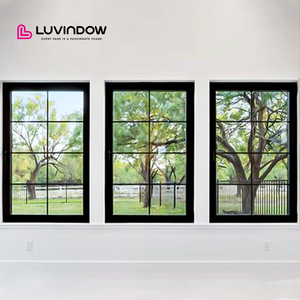
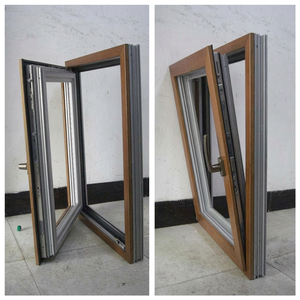
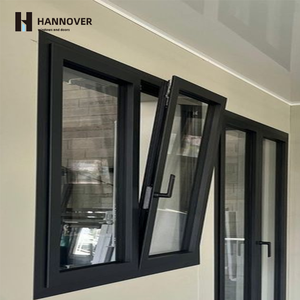
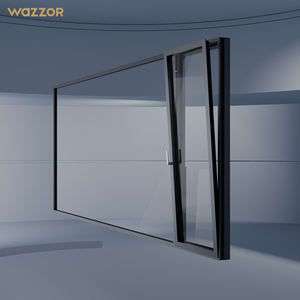
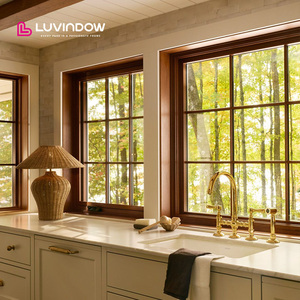
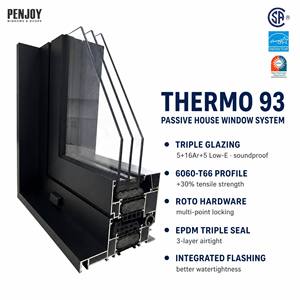
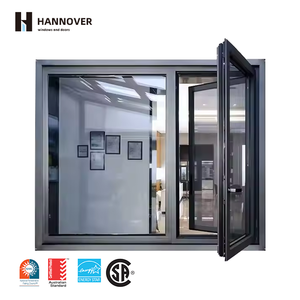
The global architectural fenestration sector has undergone a fundamental transformation over the past decade. As general contractors, architectural firms, real estate developers, and commercial specifiers seek elevated energy efficiency, severe weather resilience, and sleek aesthetic profiles, China wholesale metal doors factories and exporters have evolved from high-volume standardized suppliers into advanced metallurgical engineering partners.
Traditional metal doors and window frames relied heavily on basic mechanical assembly—crimping corners with internal L-brackets and mechanical screws. Under extreme thermal expansion cycles, high wind loads, or coastal salt-spray conditions, mechanically crimped frames inevitably experience micro-gapping, frame racking, and seal degradation. Premium Chinese exporters have redefined manufacturing paradigms by standardizing high-grade 6063-T6 extruded aluminum combined with sigma-welded corner construction, integrated polyamide (PA66-GF25) thermal breaks, and structural silicone glazing (SSSG).
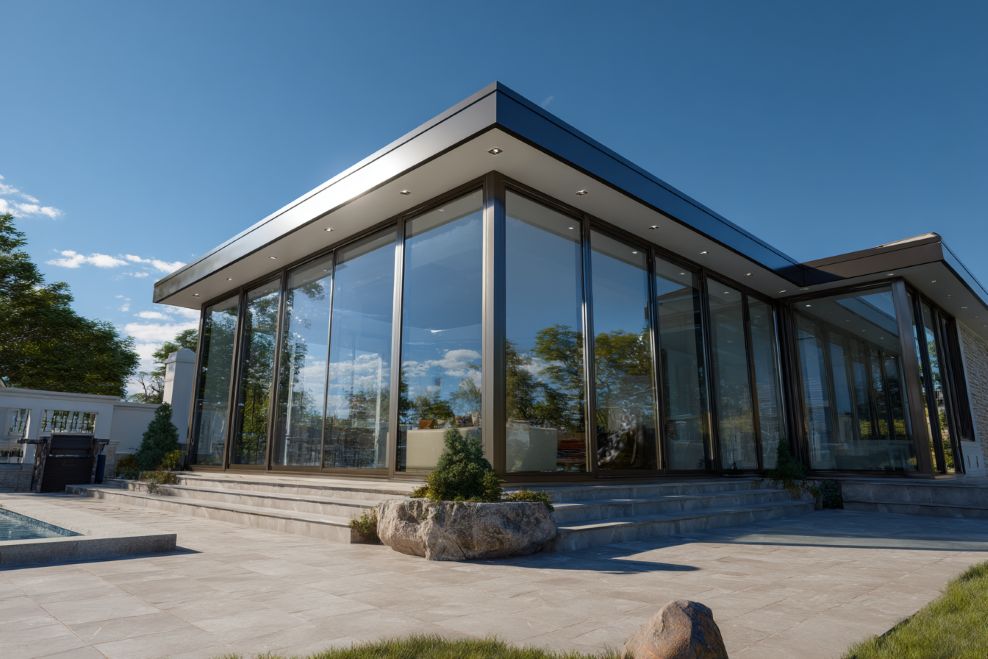
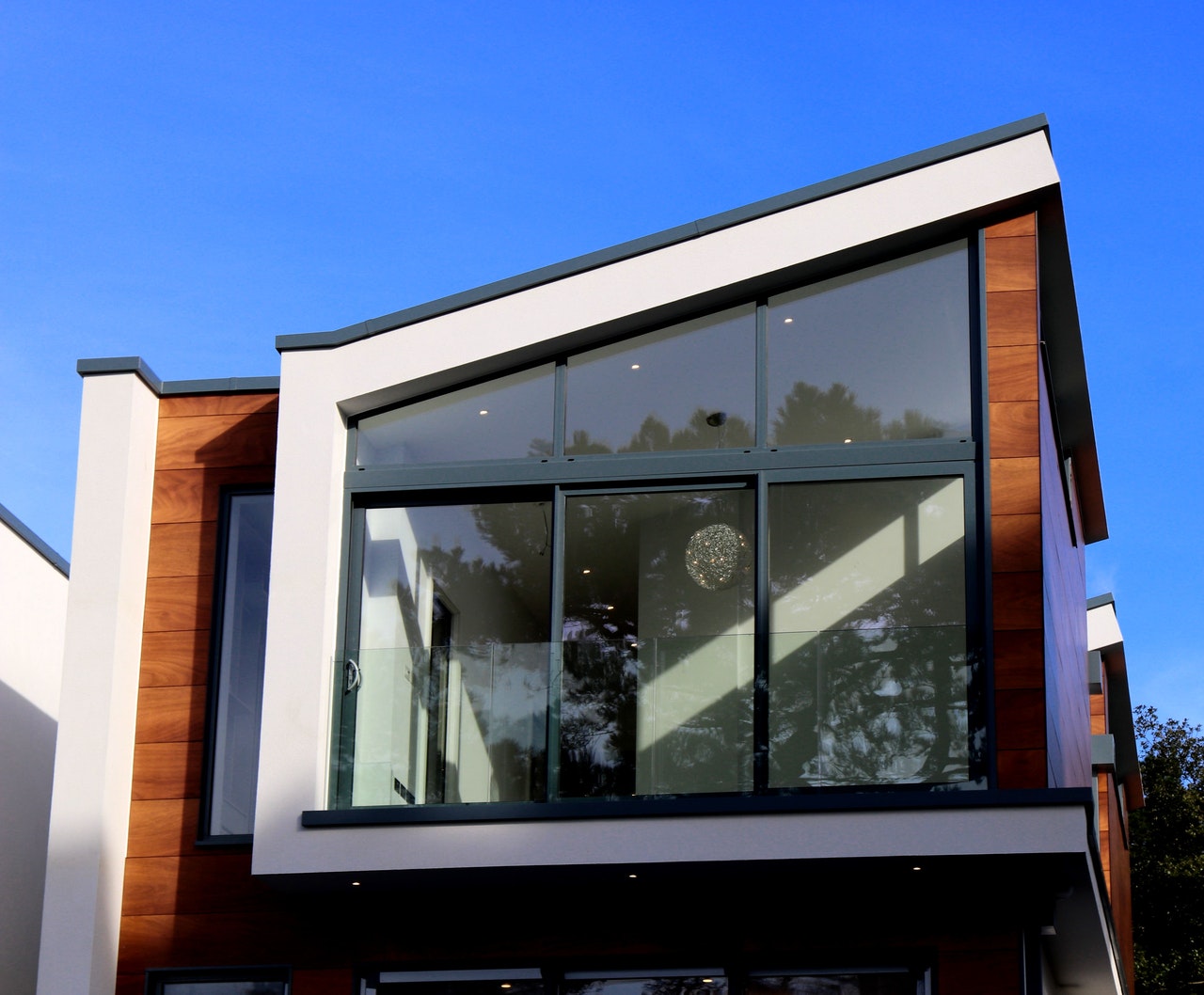
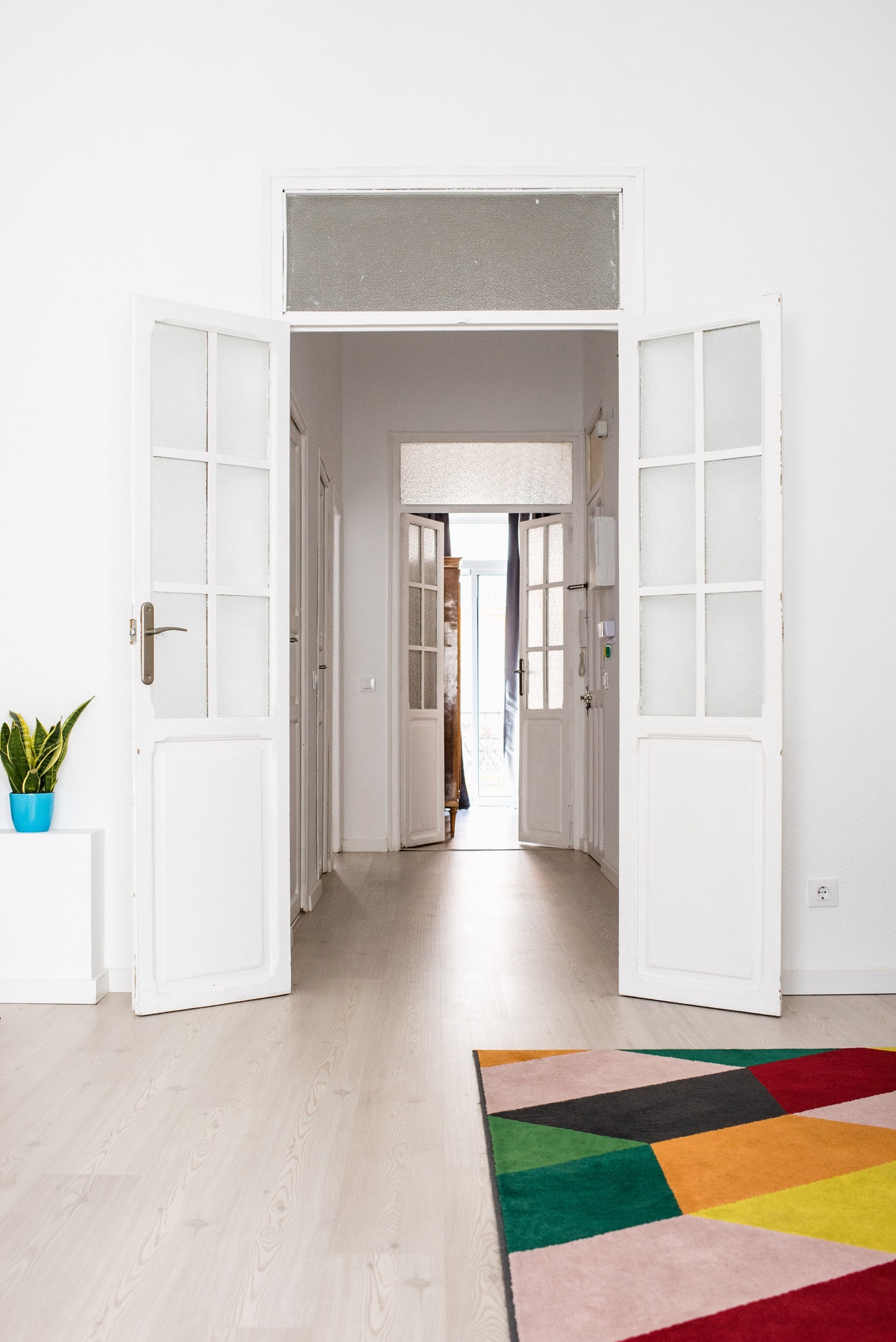
When evaluating global sourcing hubs, procurement heads must differentiate between generic residential fabricators and engineering-driven OEM/ODM manufacturing facilities. Advanced Chinese factories operate under strict ISO 9001 quality management systems, maintaining NFRC (National Fenestration Rating Council), AAMA (American Architectural Manufacturers Association), and CE compliance to meet stringent North American and European building codes.
At the core of high-performance architectural metal doors and window framing lies the structural alloy chemistry. While vinyl (uPVC) degrades under UV radiation and wood demands persistent exterior painting and sealing, 6063-T6 aluminum alloy delivers unparalleled structural integrity, heat resistance, and dimensional stability.
Alloy 6063 is an aluminum-silicon-magnesium formulation optimized for architectural extrusions. The T6 heat treatment temper involves solution heat treating followed by artificial aging, precipitating magnesium silicide ($Mg_2Si$) uniformly throughout the aluminum matrix. This yields a minimum tensile strength of 205 MPa (30,000 psi) and yield strength of 170 MPa (25,000 psi).
| Performance Metric | 6063-T6 Structural Aluminum | Standard Vinyl (uPVC) | Architectural Timber (Softwood/Hardwood) |
|---|---|---|---|
| Ultimate Tensile Strength | ≥ 205 MPa (30,000 psi) | 40 – 50 MPa (5,800 psi) | 40 – 70 MPa (Parallel to Grain) |
| Thermal Expansion Coeff. | $23.4 \times 10^{-6} / K$ (Stable) | $70 \times 10^{-6} / K$ (High Expansion) | $3.5 \times 10^{-6} / K$ (Moisture Sensitive) |
| Corner Joint Assembly | Sigma Welded Continuous Metal | Heat Fusion Welded Vinyl | Mortise & Tenon / Glued Pins |
| Maintenance Lifecycle | Zero Rot / Recyclable Finish | Yellowing / Brittle with Age | Requires Repainting Every 3–5 Yrs |
| Salt Spray Resistance | > 3,000 Hours (AAMA 2605 PVDF) | Moderate (Degrades Gaskets) | Poor (Absorbs Marine Moisture) |
A primary failure point in commercial fenestration is the corner joint. Cheap global window assemblies utilize mechanically crimped corners held together by internal cleats, steel screws, and liquid butyl sealant. Over time, building settlement, wind pressure oscillation, and thermal movement cause these screwed joints to micro-separate, opening direct paths for water intrusion into dry wall cavities.
In contrast, top-tier Chinese exporters implement sigma-welding technology across all frame profiles, sash miters, and door panel corners. Sigma welding (Shielded Inert Gas Metal Arc) fuses the mating aluminum profiles into a single, continuous, monolithic metal mass. After welding, the joint is robotically dressed and polished flush, eliminating joint looseness, racking under structural glass deadweight, and water ingress paths forever.
Engineered polyamide thermal barrier strips reinforced with 25% glass fiber separate interior and exterior aluminum profiles, stopping thermal bridging and eliminating frame sweating in extreme climates.
AAMA 2605 certified fluoropolymer (PVDF) and architectural anodized finishes undergo 3,000+ hours of continuous salt spray testing, guaranteeing zero chalking, pitting, or color fade along oceanfront elevations.
Custom insulated glass packages utilizing warm-edge TGI spacers, argon gas filling, double Low-E soft coatings, and laminated impact glass deliver overall window U-factors below 0.14 BTU/hr·ft²·°F.
Rooted in over 60 years of combined metallurgical expertise and refined OEM/ODM international export workflows, leading Chinese export facilities offer distinct operational advantages for global distributors and project developers.
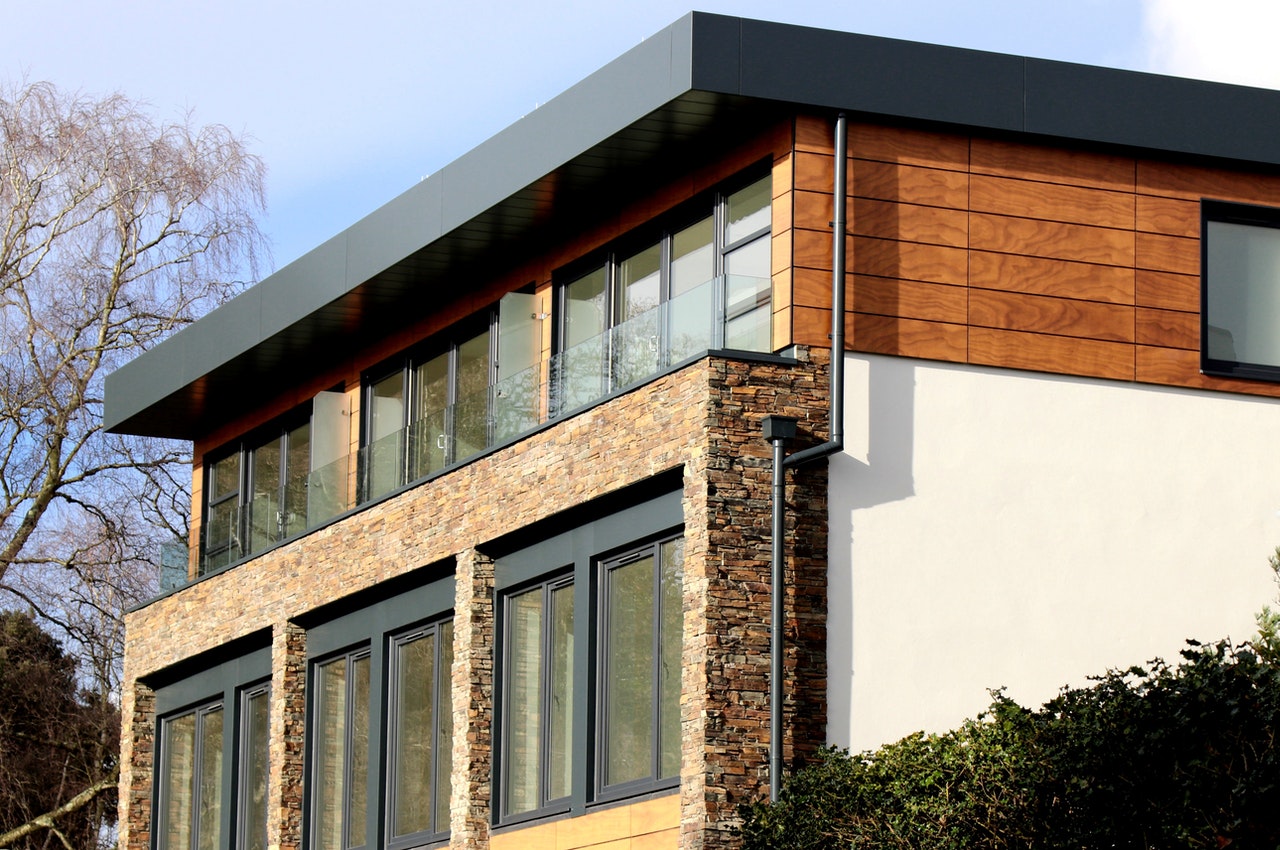

No two architectural projects share identical rough opening tolerances or wind load mandates. Exporters eliminate structural mismatch risks through rigorous pre-production technical engineering:
Completing high-end fenestration packages requires integrated insect screening. Advanced Chinese factories manufacture two proprietary screen framing profiles:
To maintain a competitive edge, wholesale importers, general contractors, and project procurement managers must align their supply chains with key structural and environmental trends shaping global building codes.
Global building codes, including Europe's EPBD and North America's Energy Star 7.0 guidelines, are driving strict requirements for thermal performance. Thermally broken aluminum metal doors incorporating multi-cavity PA66 polyamide strips and warm-edge double/triple Low-E glazing are replacing non-broken metal frames. Future wholesale sourcing will prioritize suppliers capable of delivering total window system U-factors below $0.8 \, W/m^2K$ ($0.14 \, BTU/hr\cdot ft^2\cdot^\circ F$).
Increasing severe weather events have expanded the market for hurricane-proof doors and windows well beyond traditional coastal storm belts. B2B buyers now seek certified impact systems capable of resisting Design Pressures (DP) up to $+100 / -100 \, psf$. Chinese exporters utilize multi-layer SentryGlas (PVB/SGP) laminated glass packages paired with reinforced 6063-T6 extrusions to meet rigorous Florida Building Code (FBC) and Miami-Dade TAS 201/202/203 testing standards.
Modern architectural design favors minimalist aesthetic profiles with maximum transparent glass area. To achieve narrow frame sightlines while maintaining structural stiffness against wind load bending moments, top Chinese manufacturers are adopting Structural Silicone Structural Glazing (SSSG). High-modulus silicone sealants bond the glass directly to the interior welded metal frame, allowing the glass itself to act as a structural diaphragm.
Leading Chinese exporters are replacing third-party trading intermediaries by offering direct factory integration. Through automated CNC extrusion cutting, laser-guided welding lines, and digital barcode tracking for every sash component, wholesale buyers can trace Mill Test Certificates (MTC) for raw 6063 aluminum, glass batch certifications, and coat thickness readings directly from production floors.
Technical answers to critical questions asked by architectural specifiers, developers, and wholesale importers prior to placing B2B purchase orders.
Connect directly with our engineering sales team for comprehensive CAD takeoffs, factory-direct OEM/ODM pricing, metallurgical mill certificates, and export freight logistics management.