
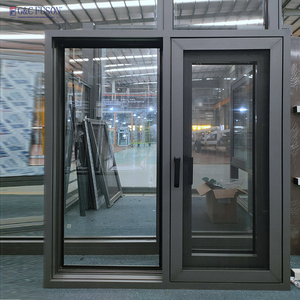
Fuson Thermal Break Aluminum Double/Triple Glazed Casement
Multi-cavity PA66 GF25 insulated profiles combined with dual-compression EPDM gasketing for superior acoustic attenuation and thermal isolation.
Tested rigorously against ASTM, NFRC, and EN standards. Every series is manufactured to tight mechanical tolerances for hurricane mitigation, commercial building envelopes, and passive design.
Multi-cavity PA66 GF25 insulated profiles combined with dual-compression EPDM gasketing for superior acoustic attenuation and thermal isolation.
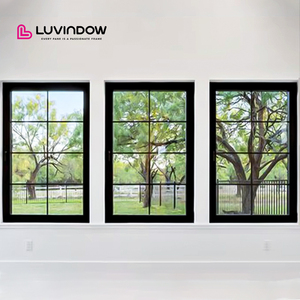
Engineered specifically for coastal USA and Caribbean exposure, incorporating SentryGlas® PVB interlayers and high-yield 6063-T6 alloy extrusion.
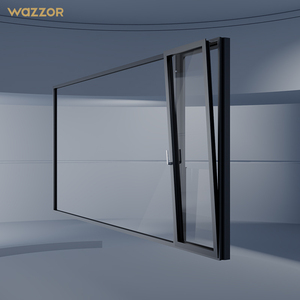
Extreme wind-load rated design, featuring continuous corner sigma welding and heavy-duty multi-point locking gear to eliminate vibration and air bypass.
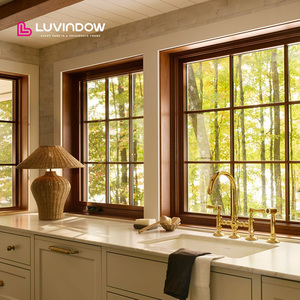
Seamless hybrid engineering combining an exterior weather-impervious aluminum exoskeleton with interior timber warmth, optimized for historic retrofits.
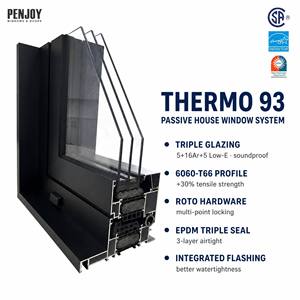
Energy Star qualified with ultra-low thermal transmittance (U-factor ≤ 0.16 W/m²·K), warm-edge techno-spacers, and 95% argon gas filling chambers.
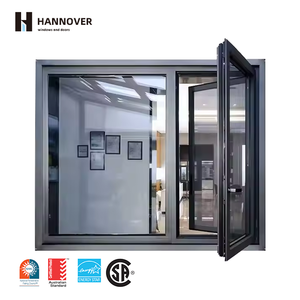
Certified dual operational mode featuring European concealed hinge systems, high-grade powder coating, and precision CNC hardware channels.
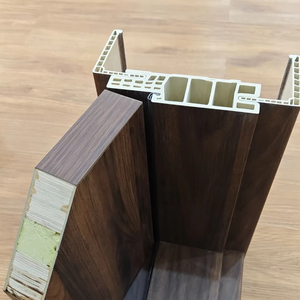
Thermal bridge-breaking rough opening substrate engineered to stabilize structural window installations in high-humidity and fire-rated envelopes.
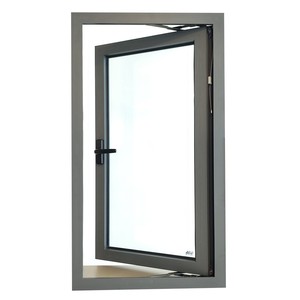
Reinforced extrusion chambers paired with multi-layer polycarbonate-glass composites, engineered for maximum shear resistance and perimeter security.
In modern architectural fenestration, sourcing from a China wholesale casement windows factory requires a rigorous understanding of metallurgical composition, joinery dynamics, and thermal efficiency. Casement window configurations represent the premier choice for low-air-infiltration designs because the sash compresses directly against the frame perimeter when locked, unlike sliding fenestration which relies on brush seals vulnerable to friction fatigue and atmospheric degradation.
For more than six decades, the metallurgical gold standard for architectural frames remains extruded 6063-T6 aluminum alloy. The T6 thermal temper guarantees an ultimate tensile strength exceeding 205 MPa (30,000 psi) and a yield strength of no less than 170 MPa (25,000 psi). This specific metallurgical structure allows profile cross-sections to maintain ultra-narrow sightlines without compromising deflection criteria when subjected to positive and negative wind pressures exceeding 4500 Pa (equivalent to Category 5 cyclonic events).
Unlike mechanically screwed or crimped corners that rely on friction and sealant gaskets, sigma welding fuses corner junctions into a singular monolithic structure. This eradicates joint opening during transportation, wind racking, and foundation settlement.
Conductive heat flow is severed using 24mm to 34mm structural polyamide strips reinforced with 25% glass fiber. This isolates interior and exterior thermal profiles, preventing frame condensation even when exterior temperatures plunge below -30°C.
Utilizing vulcanized continuous EPDM gaskets along three concentric barrier lines. Progressive-action espagnolette operators apply uniform peripheral clamp pressure, driving air infiltration ratings below 0.05 m³/(h·m) under ASTM E283 standards.
A critical limitation of off-the-shelf residential systems is cyclic seal failure. When dealing with large glass configurations—such as laminated triple-glazed IGU modules weighing upwards of 90 kg per operable leaf—conventional friction stays quickly deform. Engineered casement assemblies incorporate heavy-duty 304/316 austenitic stainless-steel four-bar and four-link hinges engineered to withstand 50,000 continuous opening cycles under load without exceeding 1.2 mm sash drop.
Furthermore, surface treatment integrity dictates the lifecycle ROI for international developers. Our fabrication methodology applies fluoropolymer coatings (AAMA 2605 PVDF) and architectural Class I anodizing (≥ 18 μm thickness). These treatments provide absolute defense against salt-spray crystallization, industrial acid deposition, and high UV photodegradation, removing cyclic refinishing and repainting costs throughout decades of operational life.
Combining over 60 years of foundational metal fenestration expertise with modern multi-axis CNC fabrication lines to support commercial developers, architects, and trade dealers.
We do not use scrap or contaminated remelt billets. All profiles are extruded strictly from high-purity 6063-T6 virgin aluminum billets, guaranteeing zero microscopic void pockets, structural uniformity, and peak welding compatibility.
Every frame and sash corner undergoes continuous sigma welding and automated flat dressing. The resultant frame behaves as a single continuous member, preventing water ingress along mechanical seams and ensuring assemblies remain 100% square during sea freight.
Zero reliance on stock dimension constraints. We fabricate directly from architectural DWG/BIM submittals, offering custom radius heads, steel-look ultra-slim profiles, true historic muntin replication, and matching heavy-duty swinging/sliding entrance systems.
Key regulatory and architectural shifts that specifiers, importers, and general contractors must account for over the coming decade.
With LEED v4.1 and European Net-Zero directives becoming strict contract requirements, purchasers are rejecting petroleum-derived vinyl (uPVC) and timber harvesting. Low-carbon aluminum smelted with renewable hydro energy and 100% recyclability represents the definitive sourcing future.
Modern luxury residential and commercial architecture demands maximum visible glass-to-frame ratios. This trend necessitates structural alloy extrusions capable of carrying extreme wind loads with frame face widths under 45 mm, rendering timber and vinyl structurally obsolete for large openings.
The convergence of building management systems (BMS) with natural ventilation protocols is driving adoption of concealed electric chain operators and biometric magnetic sensors embedded directly within the polyamide thermal cavity.
Coastal real estate developments now enforce cyclical blast and hurricane codes well beyond legacy ASTM parameters. Specifiers must partner with factories that engineer integrated steel reinforcements and heavy structural adhesive glazing (structural silicone bonding).
Dense urban developments face noise pollution challenges. The market is shifting from standard double glazing to asymmetric laminated units (e.g., 8mm exterior + 16mm Argon + 6.76mm acoustic PVB interior), demanding deeper sash pocket depths that support heavy insulated glass modules.
Contractors are bypassing intermediary trading entities in favor of direct engineering partnerships with verified factories capable of providing certified structural calculations, shop drawings, glass stress analysis, and factory-direct crating solutions.
Direct answers written by fenestration manufacturing engineers for professional buyers, estimators, and project architects.
Solid 6063-T6 aluminum provides high mechanical yield strength, remaining dimensionally stable across extreme ambient thermal swings. It will not warp, swell, rot, desiccate, or crack. Unlike wood, which requires periodic paint maintenance, or vinyl, which degrades and discolors under UV radiation, aluminum retains its finish and squareness for decades.
Mechanical cleating relies on steel screws and corner keys sealed with silicone. Over years of thermal expansion and transit vibration, these fasteners loosen, resulting in diagonal sash sag and water leakage. Sigma welding fuses the aluminum members into a continuous joint, delivering permanent rigidity, total water tightness, and structural continuity.
Thermal performance depends on three factors: the width and chamber configuration of the polyamide (PA66) thermal break, the edge spacer technology (such as warm-edge composite spacers), and the insulated glass package (using low-emissivity soft coats and argon gas). Our thermally broken casement windows achieve overall U-factors as low as 0.16 to 0.24 BTU/(hr·ft²·°F).
Every window assembly undergoes individual edge protective wrapping with EPE foam, followed by vacuum shrink-film enclosing the entire frame. Units are then secured in fully enclosed, fumigated solid plywood crates with integrated shock-absorbing rubber bases, preventing moisture contact, racking stress, and glass breakage throughout ocean transit.
Yes. Every casement unit is produced to submitted architectural schedules. We maintain specialized stretch-bending equipment for radius arches and multi-axis CNC machining stations to execute customized transoms, complex mullion intersections, and historic muntin grids without relying on standard catalog sizes.
We integrate proven multi-point espagnolette locking systems from tier-one manufacturers (including Siegenia, Roto, and heavy-duty custom stainless stays). For insect screens, we build roll-formed aluminum frames with 16x18 charcoal fiberglass mesh or high-tensile 304 stainless security mesh, mounted via tool-free retention clips for effortless seasonal cleaning.