Precision-engineered friction stays integrated into high-performance architectural fenestration platforms, supporting extreme sash weights, heavy wind loads, and thermal break profiles.
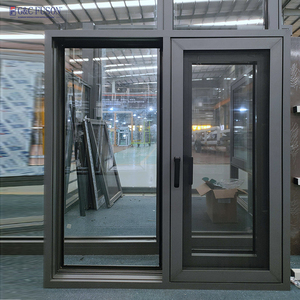
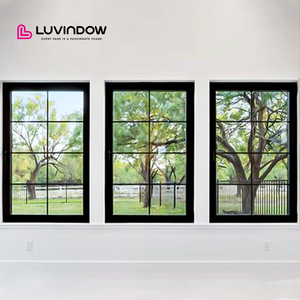
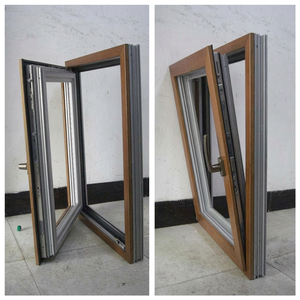
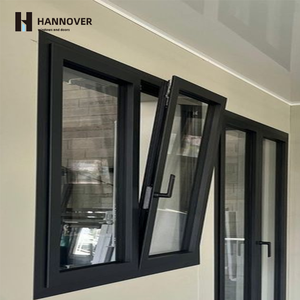
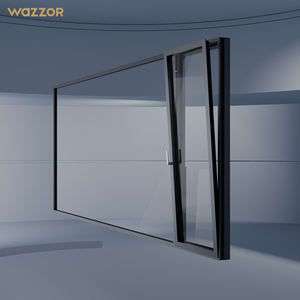
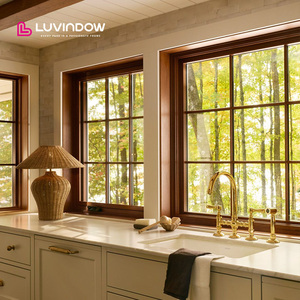
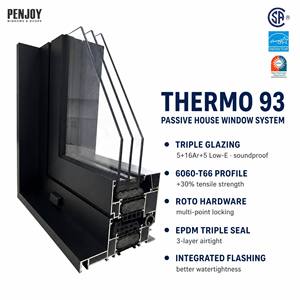
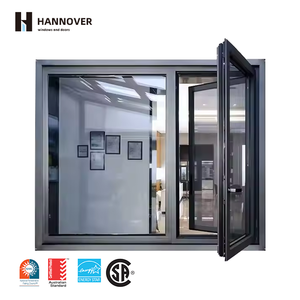
Where premium 6063-T6 aluminum extrusion meets surgical-grade austenitic stainless steel hardware. Engineered to eliminate operational sag, frame racked deformation, and coastal corrosion.
Our friction stays are designed in strict alignment with structural 6063-T6 aluminum extrusion specifications. Unlike basic commercial alloys, solid 6063-T6 maintains rigid dimensional tolerance under extreme wind loads and high-frequency operation without twisting or micro-cracking.
Every structural window frame and sash component utilizes sigma-welded corners that dress smooth. A sigma welded joint transforms the frame into a continuous metal monolith, preventing mechanical corner separation that compromises friction hinge mounting points over time.
Fabricated using heavy-gauge austenitic SS304 or marine-grade SS316 stainless steel. Fitted with high-density polyoxymethylene (POM) sliding shoes and adjustable brass friction screws, ensuring constant friction torque across 50,000+ opening cycles.
A technical whitepaper overview detailing vector dynamic weight distribution, stack height clearances, and aerodynamic resistance in modern top-hung and side-hung casement assemblies.
In high-rise architectural glazing, window hardware failure is rarely caused by static weight alone; it stems from dynamic vector forces generated during exterior pressure differential cycles. A friction stay (4-bar or 6-bar heavy-duty hinge) must translate rotary movement into controlled sliding resistance while bearing both shear weight and positive/negative wind loads.
When a casement window opens to a 90-degree angle, the cantilevered glass load shifts the center of gravity outward. Our multi-link friction stay designs feature reinforced pivot rivets machined with micro-tolerance cold-heading technology. This eliminates vertical sash drop (sagging), ensuring the window sash re-engages the frame weather-stripping seamlessly without manual lifting or latch binding.
Specifying the correct friction stay requires strict alignment with profile geometry. Our engineering matrix standardizes key dimensional variables for seamless system integration:
| Stay Parameter | Standard Specification | Heavy-Duty Architectural Spec | Engineering Impact |
|---|---|---|---|
| Stack Height | 13mm (+0/-0.5mm) | 16mm / 17mm / 18mm | Determines cavity clearance between frame and sash profile. |
| Track Width | 18mm Standard Euro-Groove | 22mm Heavy Commercial Track | Ensures torsional stability under gusting wind conditions. |
| Max Sash Weight | Up to 45 kg (Side-Hung) | Up to 180 kg (Top-Hung Awning) | Calculated using safety coefficient factors of 1.5x working load. |
| Salt Spray Rating | 500 Hours (ASTM B117) | 1,200+ Hours (Neutral/Acidic) | Prevents pitting corrosion in marine salt-air exposure zones. |
Fenestration hardware installed in coastal or highly polluted urban environments faces atmospheric sulfur dioxide and chloride ion attack. Standard commercial hinges often suffer from crevice corrosion at link connection pins. We execute an advanced electro-chemical passivation process on all SS304/SS316 stay components. This forms an ultra-dense chromium oxide passive layer across all stamped edges and punched holes, ensuring compliance with EN 13126-6 corrosion performance class 4 and class 5 standards.
Key technology shifts driving global hardware purchasing decisions over the next decade.
With global building codes enforcing strict U-factor energy ratings, triple-glazed and acoustic laminated glass packages are becoming standard. This drastically increases unit weight. Procurement is shifting away from lightweight 4-bar stays toward 6-bar heavy-duty friction hinges capable of supporting sash loads exceeding 120kg to 180kg without operational resistance loss.
Modern architectural design prioritizes ultra-slim aluminum sightlines and flush interior frames. Visible flag hinges are rapidly being replaced by 100% concealed friction stays that hide completely within the profile cavity when closed, improving thermal performance and minimalist aesthetic lines.
Commercial facade automation requires friction stays engineered with linear torque curves. Stays must operate seamlessly with motorized chain actuators and smart HVAC ventilation control systems, requiring strict low-friction tolerance during initial break-away opening force.
Innovations in metallurgy, automated assembly, and sustainable green manufacturing.
Traditional manual hand-peening of pivot rivets introduces variations in friction feel. Next-generation factories utilize multi-axis CNC automatic rivet spinning machines. This achieves exact rotational torque consistency across every production batch, eliminating wobble and operational stiffness.
Research into self-lubricating engineering polymers has led to carbon-fiber reinforced POM friction shoes. These shoes self-clean the stainless steel track during operation, repelling environmental dust, grit, and airborne salt deposits while preventing friction decay over time.
In response to global ESG regulations, top-tier Chinese manufacturers are integrating high-grade recycled steel melted via electric arc furnaces (EAF). This reduces embodied carbon by up to 60% without sacrificing yield strength or corrosion resistance.
Answers to essential hardware specification, metallurgical compliance, and global shipping questions.
Solid 6063-T6 aluminum combined with heavy-duty SS304/SS316 friction stays holds dimensional accuracy under severe heat, humidity, and high structural wind loads. Unlike timber, aluminum frames will not swell, rot, split, or warp. Compared to vinyl (uPVC), aluminum supports vastly larger glass openings with minimal sightlines. Paired with high-grade factory finishes, aluminum systems remove recurring painting, scraping, and maintenance costs from the building lifecycle budget.
A thermal break is a structural insulating barrier (usually polyamide PA66 reinforced with glass fiber) placed inside the aluminum extrusion to separate exterior metal from interior metal. This drastically reduces thermal conductivity and prevents interior frame sweating. When mounting friction stays into thermally broken windows, screws must anchor into structural aluminum chambers rather than the thermal break strip alone, maintaining frame rigidity and air/water tightness.
All frame members, sashes, and structural profiles are sigma welded at every corner and dressed smooth. A welded joint functions as a single continuous piece of alloy, guaranteeing that corners will not open up water ingress paths or rack out of square over decades of window operation—a common failure point in mechanically screwed or crimped corners.
The standard industry stack height for Euro-Groove systems is 13mm (+0/-0.5mm) with an 18mm track width. For heavy commercial curtain wall vents or large project sash profiles, 16mm, 17mm, or 18mm stack heights with 22mm wide tracks are available. Our technical engineering team reviews your CAD profile drawings before production to confirm precise clearance.
Yes. For salt-air coastal exposure within 5 miles of the ocean, we recommend specifying marine-grade SS316 stainless steel friction stays. Our SS316 stays undergo rigorous neutral and acidic salt spray testing exceeding 1,000 to 1,200 hours under ASTM B117 / ISO 9227 benchmarks without red rust formation.
Absolutley. Custom length, non-standard opening angle restrictors (e.g., 30°, 45°, 90°), egress emergency escape functions, and custom screw-hole pitching are our core OEM expertise. Send your architectural elevations or profile submittal drawings and our engineering department will confirm profile compatibility, sash weight balance, and hardware specifications prior to metal cutting.
Partner with China's leading OEM/ODM friction stay manufacturer. Get certified submittal drawings, factory-direct pricing, and technical support tailored to your project specifications.
Contact Us