In modern commercial construction and architectural fenestration, specifying high-performance exterior envelope solutions demands absolute structural precision, verified thermal resistance, and strict regulatory compliance. As specialized CE Certified Metal Windows Manufacturers & Factories with over 60 years of Southern California engineering experience, our production lines manufacture solid 6063-T6 aluminum alloy and stainless steel fenestration systems engineered explicitly for high-load, extreme exposure environments.
The European Harmonized Standard EN 14351-1:2006+A2:2016 mandates rigorous empirical testing for windows and external pedestrian doorsets. CE marking is not merely a trading seal; it is an integrated assurance of mechanical strength, acoustic isolation, water tightness under severe pressure differential, and systemic air permeability classing. Unlike residential vinyl or timber alternatives that swell, warp, and crack under cyclical weather stresses, our metal window assemblies maintain millimetric dimensional stability across extreme thermal ranges.
Explore our engineering-grade architectural window systems, manufactured directly to project submittal drawings with custom thermal break profiles, bulletproof configurations, and high-durability finishes.
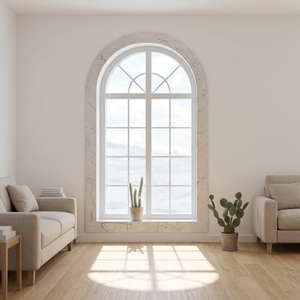
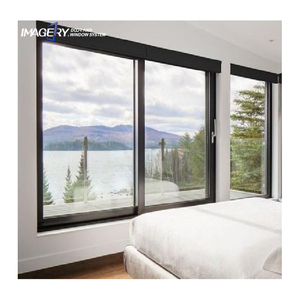
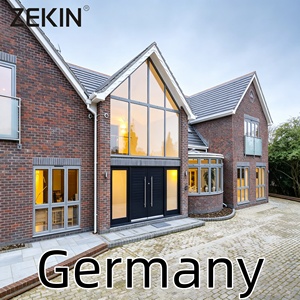
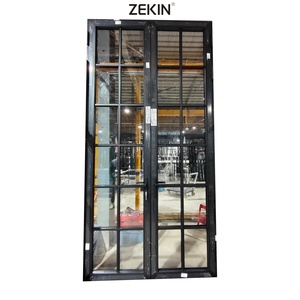
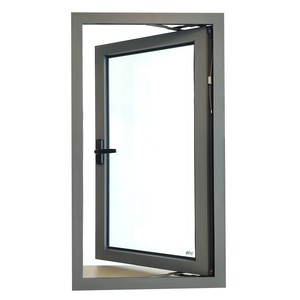
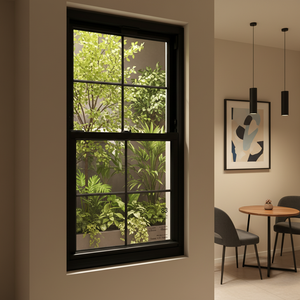
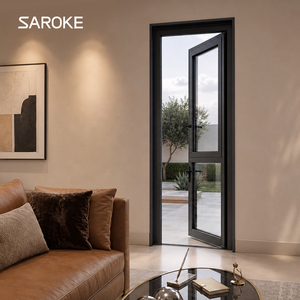
Unlike standard commercial fabricators relying on mechanical screws, cleats, or crimped corners that loosen over time, our frame members and sashes are 100% sigma welded at every miter joint and ground smooth. This fuses the aluminum into a single monolithic structural member, totally eliminating water intrusion paths.
We strictly utilize virgin 6063-T6 heat-treated aluminum alloy extrusions. Possessing superior ultimate tensile strength and yield strength, this structural alloy supports massive uninterrupted glass spans while maintaining ultra-narrow architectural sightlines without deflection under structural wind loads.
Our CE certified windows utilize structural PA66GF25 (Polyamide 66 reinforced with 25% glass fiber) thermal barriers. By isolating interior metal components from exterior climate extremes, we drastically lower frame thermal conductivity, eliminating condensation and achieving overall U-values down to 0.8 W/m²K.
To assist facade engineers and commercial buyers in selecting optimal fenestration framing, the table below provides empirical technical thresholds of our CE-certified metal window systems versus standard market alternatives:
| Performance Metric | Our Certified 6063-T6 Aluminum | Standard Commercial Metal | Residential Vinyl / Timber |
|---|---|---|---|
| Corner Joint Construction | 100% Sigma Welded & Dressed Smooth | Mechanical Screw Cleat / Crimped | Plastic Heat Weld / Wood Glue |
| CE Standard Compliance | EN 14351-1 Fully Certified | Partial / Uncertified Import | Varies / Non-Structural |
| Thermal Barrier Material | PA66GF25 Structural Polyamide | Poured & Debridged Resin / None | Solid Material (No Break Needed) |
| Air Permeability (EN 12207) | Class 4 (Highest Tightness Rating) | Class 2 - Class 3 | Class 2 |
| Water Tightness (EN 12208) | Class E1050 (1050 Pa Static Pressure) | Class 7A - 9A (300-600 Pa) | Class 5A (200 Pa) |
| Coastal Corrosion Finish | Qualicoat Class 2 / Anodized 25μm | Standard Powder Coating 60μm | Surface Paint / UV Sensitive Vinyl |
The global metal window and commercial door market is experiencing a profound paradigm shift driven by stringent municipal energy codes, climate resilience mandates, and modern architectural aesthetics. B2B procurement professionals, real estate developers, and specification agents must align their sourcing strategies with four core technological trends shaping the next decade of metal fenestration:
Architectural demand is moving rapidly toward concealed frames where glass structural area is maximized. Future metal window engineering heavily leverages high-modulus steel alloys and reinforced 6063-T6 aluminum profiles capable of carrying heavy triple-laminated insulated glass units (IGUs) while maintaining outer frame sightlines as slender as 30mm.
Next-generation CE certified metal window factories are embedding power-over-ethernet (PoE) channels directly inside aluminum thermal break extrusions. This allows seamless wiring for dynamic electrochromic glass (dynamic tinting) and integrated building management systems (BMS) that automatically adjust building solar heat gain coefficient (SHGC) in real time.
With global green building standards like LEED v4.1 and BREEAM requiring Environmental Product Declarations (EPDs), metal windows sourced from low-carbon primary aluminum smelters using hydroelectric power are dominating specification preferences. Aluminum retains 100% of its structural properties upon mechanical recycling, requiring 95% less energy than primary metal production.
Every shipment of our CE certified metal windows includes a comprehensive Declaration of Performance (DoP) compliant with Regulation (EU) No 305/2011 (Construction Products Regulation). This documentation detail empirical test values for thermal transmittance (U-value), air permeability (EN 12207 Class 4), water tightness (EN 12208 Class E1050), resistance to wind load (EN 12210 Class C5), and acoustic attenuation rating (STC/Rw).
6063-T6 aluminum offers an ideal strength-to-weight ratio, exceptional surface finish capabilities for anodizing and architectural powder coating, and superior corrosion resistance. The T6 heat treatment tempers the alloy through artificial aging, increasing yield strength up to 214 MPa (31,000 psi). This structural stiffness prevents sash sagging and frame racking on massive architectural openings.
Mechanically jointed frames rely on internal cast aluminum corner cleats, screws, and sealant gaskets. Over time, building settlement, wind load vibrations, and thermal expansion cause mechanical joints to open microscopic gaps, breaching the weather seal. Sigma welding melts the base 6063-T6 metal together at 1100°F. The resulting joint is structurally continuous and physically impossible to leak or separate.
Yes. 100% of our production is fabricated to exact project submittal drawings. We operate full CAD/BIM engineering integration. Our engineering shop reviews sightlines, structural mullion requirements, glass bite depth, hardware mounting, wall flashing details, and egress clearance before extruding or cutting any metal profiles.
For high-salinity coastal or industrial marine atmospheres, we recommend either a 25-micron anodic oxidation (Anodized) finish or a Qualicoat Class 2 / AAMA 2605 compliant fluoropolymer PVDF coating. These surface treatments undergo multi-stage chemical pretreatment and 3,000-hour salt spray testing to guarantee zero blistering, chalking, or filiform corrosion.
Our aluminum and steel profile systems can accommodate glass package thicknesses ranging from 24mm double-glazed IGUs up to 52mm triple-laminated ballistic glass. For acoustic abatement, we utilize PVB/acoustic laminated interlayers achieving STC ratings up to 45 dB. Bulletproof window configurations feature specialized steel reinforced sash profiles paired with polycarbonate-interlayered security glass packages certified to EN 1063 standards.
Send us your project architectural elevations, window schedules, or custom CAD drawings. Our technical estimation team will provide comprehensive engineering analysis, structural recommendations, and factory-direct wholesale pricing within 24 hours.
Contact Us