Explore our engineering-grade aluminum casement, tilt-and-turn, and thermal break window solutions tested to rigorous EN 14351-1 and NFRC hurricane-impact standards.
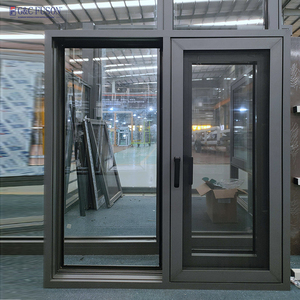
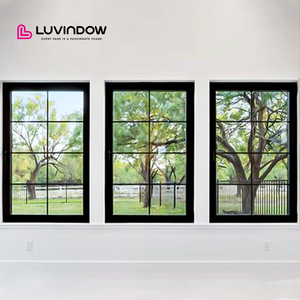
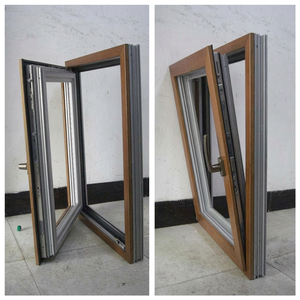
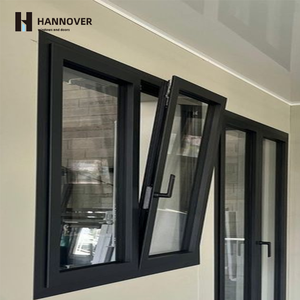
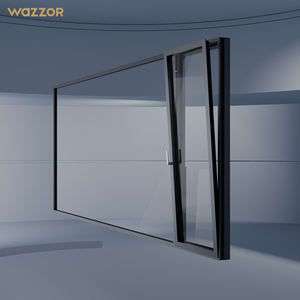
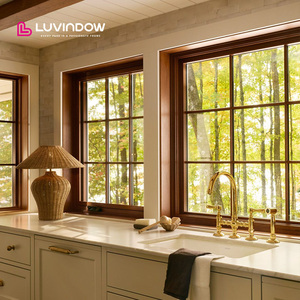
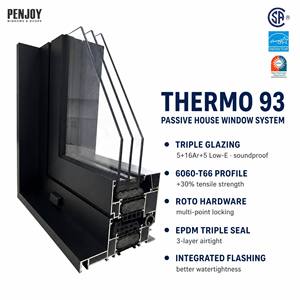
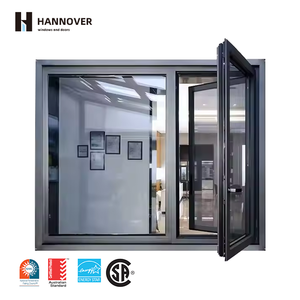
In high-specification commercial developments and luxury coastal residences, fenestration integrity is non-negotiable. As a premier CE certified impact windows manufacturer with over six decades of fabrication expertise, our facility engineers window systems built to withstand extreme mechanical stress, coastal salt air corrosion, and intense hurricane wind loads.
Standard architectural windows frequently rely on lower-grade T5 aluminum extrusions. Our precision manufacturing process exclusively utilizes primary 6063-T6 aluminum alloy. This structural temper yields an ultimate tensile strength of no less than 205 MPa (30,000 psi) and a yield strength of 170 MPa (25,000 psi). The structural rigidity prevents frame deflection under sustained wind pressures exceeding 5,000 Pa, ensuring that expansive glass sashes remain perfectly aligned without structural racking over decades of operation.
The primary point of failure in conventional aluminum windows is the frame corner. Mechanically screwed or crimped corners rely on rubber gaskets and topical liquid sealants, which degrade under thermal expansion and ultraviolet radiation, creating water ingress paths. Our structural sashes feature 100% Sigma-Welded (GTAW/TIG) joint assemblies. Every frame perimeter is fused into a continuous monolithic metal component, dressed smooth, and sealed permanently. A welded joint will never loosen, leak, or compromise structural shear strength.
To eliminate aluminum's natural thermal conductivity, our CE certified thermal break windows incorporate glass-fiber reinforced Polyamide (PA66 GF25) thermal barrier strips. Unlike inferior poured-and-debridged polyurethane breaks, structural polyamide strips retain mechanical integrity up to 200°C, matching the expansion coefficient of aluminum. This eliminates frame condensation ("sweating"), drastically reduces building thermal bridging, and achieves overall system U-factors as low as 0.79 W/m²K (conforming to Passive House standards).
| Performance Criterion | Standard Commercial Window | Our CE Certified Impact System | Engineering Benefit |
|---|---|---|---|
| Frame Alloy & Temper | 6063-T5 Commercial Extrusion | Structural 6063-T6 Aluminum Alloy | +25% Higher Yield Strength & Deflection Resistance |
| Corner Assembly | Screwed & Crimped Gaskets | Full Structural Sigma-Welded Assembly | Zero Water Leakage & Monolithic Frame Rigidity |
| Wind Pressure Resistance | Class 3–5 (1500 Pa – 2500 Pa) | Class 9 / E5000 (5000+ Pa) | Certified Typhoon & Category 5 Hurricane Proof |
| Thermal Insulation | Non-thermal or Polyurethane Poured | Technoform Polyamide PA66 GF25 Strip | Eliminates Frame Sweating; U-values ≤ 0.8 W/m²K |
| Glass Interlayer Tech | Standard Monolithic / PVB Interlayer | SentryGlas® (SGP) Structural Lamination | 5x Tear Resistance; High Impact Debris Protection |
Engineered with SGP laminated safety glass packages, our windows survive large-missile impact testing (ASTM E1996 / EN 12600 Class 1B1) and extreme storm surges without envelope breach.
Full European Conformity audit trails covering Air Permeability (EN 12207 Class 4), Watertightness (EN 12208 Class E1050), and Acoustic Insulation up to 45 dB.
Every order is manufactured precisely to architectural shop submittal drawings. Zero standard filler panels or field hacks—100% dimensional match guaranteed.
As international energy directives tighten—such as the EU Energy Performance of Buildings Directive (EPBD) and North American Title 24—procurement executives must align supply chains with next-generation fenestration trends.
Architects are actively specifying low-carbon aluminum sourced from hydro-powered smelters. Recycled post-consumer content in 6063-T6 extrusions drastically reduces Scope 3 embodied carbon while maintaining structural temper integrity. B2B purchasers should mandate Environmental Product Declarations (EPDs) alongside CE certification to meet global green building credits (LEED v4.1 / BREEAM).
While triple glazing remains dominant for Passive House applications, Vacuum Insulated Glass (VIG) technology is emerging as a thin-profile alternative. By pairing VIG with thermally broken narrow-sightline aluminum profiles, manufacturers can deliver center-of-glass U-factors of 0.60 W/m²K in frames only 70mm deep, drastically reducing structural dead-load on multi-story curtain walls.
Changing global weather dynamics have expanded hurricane-impact glazing requirements beyond coastal corridors. Developers in non-traditional storm zones now specify missile-impact rated fenestration to safeguard property assets and lower long-term structural insurance premiums.
Modern architectural design demands invisible structural framing. The trend toward structural silicone glazing (SSG) allows aluminum sashes to hide completely behind glass panes, maximizing daylighting coefficients while maintaining typhoon wind-load shear strength.
Bulky surface-mounted hinges are being rapidly phased out. Next-generation casement and tilt-and-turn units feature fully concealed heavy-duty stainless steel hinges (capable of supporting sash weights up to 300 kg) integrated with motorized actuator drives for automated building management system (BMS) integration.
For seaside deployments, standard powder coatings deteriorate within 3–5 years. Leading manufacturers now apply AAMA 2605 compliant 70% Fluorocarbon (PVDF) liquid paint coatings or high-micron anodic oxidization films. These treatments resist salt spray pitting for over 3,000 hours under ASTM B117 testing conditions.
Key structural and compliance questions answered by our fenestration engineering team.
Under European Harmonized Standard EN 14351-1, impact windows must undergo third-party laboratory testing for Air Permeability (EN 12207), Watertightness under dynamic rain load (EN 12208), Resistance to Wind Pressure (EN 12210), and Impact Resistance (EN 12600). For North American project exports, additional ASTM E1886/E1996 large missile impact testing is conducted.
Solid 6063-T6 structural aluminum maintains dimensional stability across extreme temperature fluctuations (-40°C to +80°C) without expanding, warping, or bowing. Unlike timber, it requires zero re-sealing or painting, and unlike uPVC, its high modulus of elasticity allows ultra-narrow sightlines on large, heavy-laminated glass sashes.
Aluminum is highly conductive. A polyamide thermal break physically splits the exterior aluminum profile from the interior profile using a non-conductive structural polymer bar. This interrupts heat transfer, keeping the interior frame temperature close to room ambient levels and preventing dew-point condensation that ruins interior drywall and flooring.
Polyvinyl Butyral (PVB) is standard for safety glass, but under heavy storm impact or wind pressure, it can tear or sag once cracked. SentryGlas® (SGP) ionoplast interlayers are 5 times stiffer and up to 10 times more tear-resistant than PVB. Even if both glass panes shatter, an SGP unit remains standing upright inside the frame to maintain building envelope protection.
Yes. Every unit produced in our facility is built directly to client-approved CAD elevations and BIM shop submittals. Our engineering department verifies wind-load calculations, egress dimensions, glass bites, and flashing details prior to cutting raw aluminum extrusions.
For installations within 3 kilometers of a saltwater coastline, we mandate AAMA 2605 compliant PVDF fluorocarbon coatings or Class I Anodized finishes (minimum 18-25 microns). These finishes prevent filiform corrosion, pitting, and UV chalking under high humidity and marine salt atmospheric conditions.
Accelerate your project specification workflow. Request our complete architectural submittal guide, structural performance test reports, and wholesale pricing catalog today.
Get Catalog