In modern commercial construction, high-density hospitality, and high-end residential engineering, architectural door hardware serves as the primary operational touchpoint between physical structures and their occupants. As a globally recognized CE certified door hardware exporter, our enterprise bridges structural metallurgic engineering with stringent European regulatory compliance (CE CPR 305/2011/EU). By combining decades of manufacturing heritage with high-grade materials—including 6063-T6 extruded aluminum alloy, investment-cast 304/316 stainless steel, and high-density zinc alloys—we deliver hardware systems engineered to withstand rigorous operational stress, environmental corrosion, and intense cycles of usage.
Regulatory Compliance Matrix: All exported products adhere strictly to mandatory European Harmonized Standards including EN 1935 (Single Axis Hinges), EN 1154 (Controlled Door Closing Devices), EN 12209 (Mechanically Operated Locks), and EN 1634 (Fire Resistance & Smoke Control Assemblies).
Procuring hardware for international distribution or large-scale architectural projects demands absolute consistency in dimension, structural metallurgy, surface finish longevity, and mechanical cycle performance. Below is an exhaustive technical portfolio and market overview designed for architectural specifiers, master distributors, project contractors, and procurement executives.
Explore our CE-certified architectural door hardware systems, custom cast handles, and specialized sliding mechanisms engineered for global compliance.
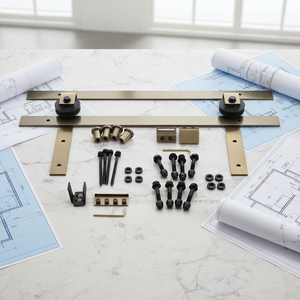
Heavy-duty extruded aluminum alloy track featuring dual-directional hydraulic soft-close damping for hotel and commercial interiors.
Inquire Now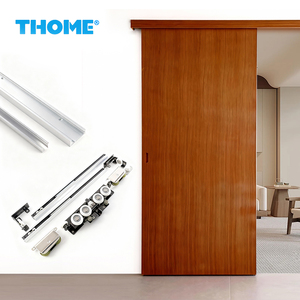
Concealed trackless sliding mechanism with precision-engineered buffer hanging pulleys and silent aluminum-steel structural running gear.
Inquire Now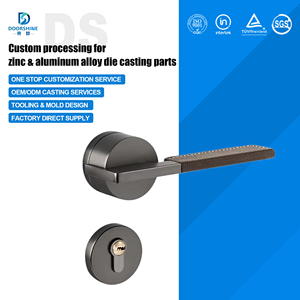
High-precision zinc alloy die-cast lever handles available in electroplated antique bronze and custom architectural surface finishes.
Inquire Now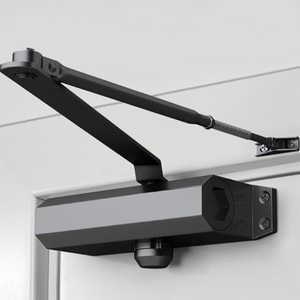
EN 1154 certified automatic hydraulic door closer with adjustable latching/closing speed valves and high-tensile spring chamber.
Inquire Now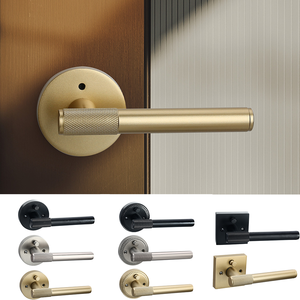
Minimalist architectural privacy handle forged from anodized aluminum alloy with physical vapor deposition (PVD) brass gold finish.
Inquire Now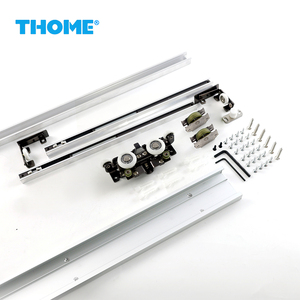
Engineered for heavy-duty interior timber and glass doors up to 80KG, featuring silent nylon rollers and concealed hydraulic shock absorbers.
Inquire Now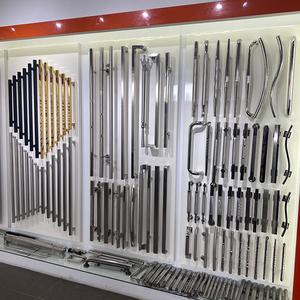
Grade 304/316 tubular stainless steel back-to-back pull handles for entrance glass doors with high marine-grade corrosion resistance.
Inquire Now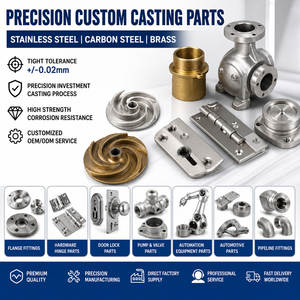
EN 1935 Grade 13 certified precision casting security door hinges engineered for high-frequency fire doors and commercial entrances.
Inquire NowWhy Tier-1 architectural specifiers and global commercial hardware importers partner with our export manufacturing facilities.
We utilize prime-grade 6063-T6 aluminum extrusions engineered for exceptional dimensional stability, structural rigidity, and resistance to environmental deflection, warp, or heat-induced expansion.
Every structural corner joint across our specialized aluminum door frames and heavy assemblies undergoes continuous Sigma welding, dressed smooth to eliminate water ingress and joint separation over decades.
Our stainless steel hardware components are fabricated using lost-wax precision investment casting, ensuring dense molecular integrity, zero micro-porosity, and superior tensile endurance under heavy load.
Every product line intended for European and global markets holds verified CE Certificates of Constancy of Performance, backed by third-party laboratory test reports for fire rating and cycle durability.
We work directly from architect submittal drawings, master CAD models, and technical submittals, delivering custom profiles, specialized keyways, and unique surface finishes made to exact project tolerance.
Our surface finishes—including PVD vacuum plating, electroplating, and electro-phoretic anodizing—are rated up to 1000 hours of neutral salt spray testing (ASTM B117) for coastal environment survival.
The global door hardware market is undergoing a structural transformation driven by stringent energy efficiency codes, digital access control integration, and accelerating environmental, social, and governance (ESG) mandates across commercial real estate. Enterprise procurement directors and wholesale importers must align their supply chains with three dominant multi-year trends:
| Procurement Vector | Traditional Approach | Modern CE-Certified Requirement | Impact on Global Importers |
|---|---|---|---|
| Environmental Transparency | Basic material declarations | Verified Environmental Product Declarations (EPDs) & RoHS compliance | Mandatory for winning EU public infrastructure and LEED-certified private builds. |
| Mechanical Durability | 100,000 cycle testing | 500,000 to 2,000,000 cycle EN 1935 Grade 14 testing | Drastically lowers lifecycle maintenance budgets and eliminates field recall risk. |
| Surface Metallurgy | Standard liquid lacquering | PVD (Physical Vapor Disposition) & Electro-phoretic Anodizing | Provides 10x greater scratch resistance and 1000-hour salt-spray coastal survival. |
| Acoustic & Thermal Integration | Isolated door drop seals | Integrated perimeter sealing with thermally broken aluminum sub-frames | Meets strict Sound Transmission Class (STC 45+) and passive thermal envelope standards. |
As regulatory agencies increase scrutiny on construction product safety (CPR), working with a factory that maintains certified Factory Production Control (FPC) audit reports guarantees seamless customs clearance, zero product seizure, and instant architectural submittal approval.
Engineering innovations in hardware design are changing how architectural spaces are partitioned and secured. Below are key technological breakthroughs shaping next-generation manufacturing:
Invisible & Concealed Kinematics: Modern interior design prioritizes zero-sightline hardware. Systems such as ghost sliding tracks and fully concealed 3D-adjustable floor pivots move structural elements inside wall cavities or door panel cores.
1. Dual-Fluid Hydraulic Damping: Next-generation automatic door closers utilize temperature-compensated hydraulic fluids. This prevents thermal viscosity shifts, ensuring consistent closing speed whether operating at -30°C in Nordic winters or +50°C in Middle Eastern summers.
2. Magnetic Levitation & Trackless Sliding: High-end residential and hospitality developments are rapidly replacing mechanical floor runners with magnetic suspension buffers and top-hung trackless sliding systems. This eliminates floor threshold obstacles, improves ADA accessibility, and delivers silent operation under 15 dB.
3. Precision Investment Alloy Casting: High-security mortise lock bodies and heavy-duty structural hinges are shifting away from stamped sheet metals toward investment cast 304/316 stainless steel. Precision casting ensures sub-millimeter dimensional tolerances, preventing core fatigue under high physical impact.
Direct answers to critical technical, regulatory, and supply chain questions from global hardware importers and project engineers.
CE certification for door hardware is regulated under the EU Construction Products Regulation (CPR 305/2011). Key standards include EN 1935 for single-axis hinges, EN 1154 for controlled door closers, EN 1125 / EN 179 for panic/emergency exit devices, and EN 12209 for mechanical locks. Each product must present a verified Declaration of Performance (DoP) and carry permanent CE laser etchings indicating grade classification.
6063-T6 undergoes rigorous solution heat treatment and artificial aging. This gives the material a significantly higher yield strength (minimum 170 MPa) and ultimate tensile strength (minimum 205 MPa) compared to T5 temper. This increased structural density ensures that heavy-duty sliding tracks and door frame extrusions do not sag, flex, or deform under continuous dynamic loads.
Unlike stamped sheet metal hinges that can loosen or buckle over time under heavy door weights, investment cast 304 stainless steel hinges are cast from molten alloy. This produces a unified structural piece free of internal air pockets or stress points. When paired with hardened stainless steel ball bearings and anti-friction washers, these hinges easily surpass 500,000 operational cycles under EN 1935 Grade 13 testing.
For high-salinity coastal environments, we recommend either Grade 316 stainless steel with an electropolished finish or 6063-T6 aluminum with Physical Vapor Deposition (PVD) / hard-anodized coating. Our PVD and anodic finishes pass 1000-hour neutral salt spray (NSS) testing per ASTM B117 without surface pitting, flaking, or discoloration.
Yes. We specialize in comprehensive OEM/ODM manufacturing. Our engineering team conducts DFM (Design for Manufacturing) reviews on your CAD models, produces 3D rapid prototypes for physical fit check, builds custom extrusion/casting tooling, and submits complete initial sample inspection reports (ISIR) before full production.
Standard production for catalog items ranges from 25 to 35 days upon drawing sign-off and deposit receipt. For custom OEM cast or extruded items requiring new tooling development, tooling fabrication takes approximately 15–20 days, followed by 30 days for mass production and batch testing.
Connect directly with our senior engineering team for technical submittal approvals, CE compliance documentation, custom OEM quotation packages, and global container freight dispatching.
Inquire Now