Explore our primary, secondary, and specialty alloy ingots produced via advanced induction melting and vacuum degassing technology. Engineered for high structural integrity, low inclusion density, and consistent melt chemistry.
Understanding chemical homogenity, non-metallic inclusion management, and thermal refinement protocols in modern export-grade aluminum smelting.
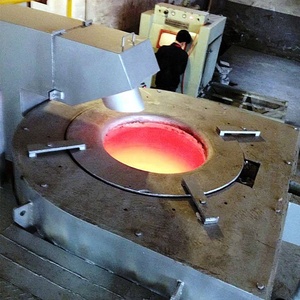
In global metallurgical procurement, selecting between primary non-alloy aluminum ingots (99.7% to 99.99% purity) and tailored structural alloy ingots (6061, 6063, 6082, A356, ADC12) dictates final castability, thermal conductivity, and mechanical strength. As a certified manufacturer operating state-of-the-art induction melting furnaces, our facility strictly adheres to ISO 9001:2015 and CE Compliance directives.
Each cast heat undergoes real-time Optical Emission Spectroscopy (OES) to ensure tight elemental boundaries. Iron (Fe) content is kept strictly below 0.12% for ultra-pure grades, while silicon (Si), magnesium (Mg), and copper (Cu) are precisely balanced in custom alloy ingots to eliminate grain segregation during customer remelting.

Combining over three decades of metallurgical experience with rigorous European CE quality protocols and traceable supply chain logistics.
Fully compliant with European Pressure Equipment Directives (PED) and structural metal standards. Every shipment is delivered with a Mill Test Certificate (MTC) according to EN 10204 3.1 verifying exact chemical analysis and physical testing.
Utilizing high-frequency electric induction melting furnaces (ranging from 100kg to 20 Metric Tons capacity) paired with 30-50 PPI multi-stage Ceramic Foam Filters (CFF) to effectively trap dross particles down to 10 microns.
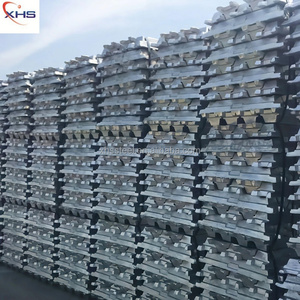
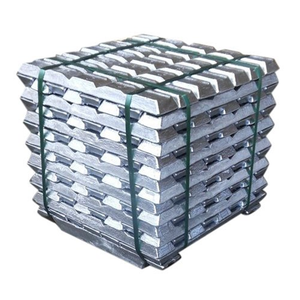
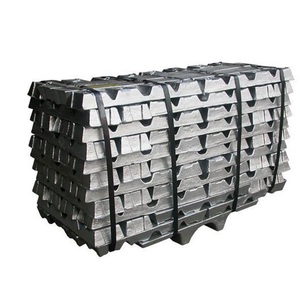
Experienced in containerized and break-bulk marine export across Europe, North America, Southeast Asia, and the Middle East. Secure automated strapping with heavy-duty steel bands and waterproof plastic wrapping ensures zero sea-salt corrosion.
Select the appropriate aluminum ingot series based on targeted processing requirements, electrical conductivity needs, tensile strength, and corrosion resistance.
| Alloy Series | Primary Elements | Al Purity (%) | Density (g/cm³) | Electrical Cond. (% IACS) | Primary Industrial Applications |
|---|---|---|---|---|---|
| 1000 Series (A00/A7) | Pure Aluminum (Fe, Si trace) | 99.7% – 99.99% | 2.70 | 61.0 – 63.0 | Electrical conductors, transformer coils, foil rolling, chemical equipment |
| 3000 Series (3003/3105) | Mn (1.0 - 1.5%), Fe, Si | Balance (~98.2%) | 2.73 | 40.0 – 50.0 | HVAC heat exchangers, roofing sheets, beverage can stock, cookware |
| 5000 Series (5052/5083) | Mg (2.2 - 4.9%), Cr, Mn | Balance (~95.0%) | 2.66 | 29.0 – 35.0 | Marine hulls, cryogenic pressure vessels, armor plate, fuel tanks |
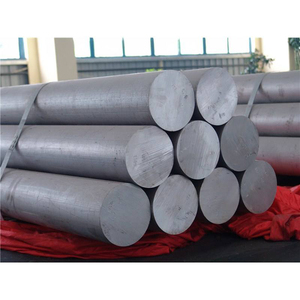
| 6000 Series (6061/6063) | Mg (0.45-1.2%), Si (0.2-0.8%) | Balance (~97.5%) | 2.70 | 50.0 – 55.0 | Architectural profiles, structural framing, window extrusion billets, automotive frames |
| 7000 Series (7075) | Zn (5.1-6.1%), Mg, Cu | Balance (~90.0%) | 2.81 | 33.0 – 36.0 | Aerospace structural components, high-stress military gear, precision molds |
Key structural shifts impacting B2B metal buyers, supply chain resilience, carbon regulations, and metallurgical innovations.
With the implementation of the European Union's Carbon Border Adjustment Mechanism (CBAM) and global Scope 1 & 2 carbon accounting standards, procurement officers are actively transitioning toward low-carbon ingots produced using hydro-power or recycled UBC (Used Beverage Can) scrap. Our induction melting technology yields up to 95% energy savings compared to primary electrolysis remelting, substantially lowering the embodied carbon footprint per ton of aluminum ingot.
Future architectural and automotive extrusion demands are driving the adoption of advanced micro-alloying techniques. Adding trace Titanium-Boron (Ti-B) grain refiners and Scandium (Sc) or Zirconium (Zr) additives directly into molten aluminum ingots enhances grain structure uniformity. This results in superior anodizing responses, increased yield strength, and higher thermal resistance without compromising castability.
Volatility in London Metal Exchange (LME) and Shanghai Futures Exchange (SHFE) benchmark pricing necessitates flexible B2B contract structuring. Modern procurement strategies favor direct-from-factory long-term supply agreements with formula-based pricing linked to live LME cash indexes plus a fixed fabrication premium, mitigating spot market spikes.
Direct answers to the most common questions asked by B2B metal buyers, foundry engineers, and international importers.