0%

Choosing the right Aluminum Window Hardware is not merely a cosmetic decision. It affects security, comfort, smooth operation, and service life. Handles, hinges, rollers, locks, and stays must suit the sash design, frame profile, and expected daily use. A stiff handle or rattling roller can signal poor fit or premature wear. Small parts matter.

Window performance also deserves context. The U.S. Department of Energy’s Energy Saver guidance estimates that heat gain and heat loss through windows account for about 25%–30% of residential heating and cooling energy use. This figure describes windows as a system, not hardware alone. Still, dependable seals and correctly adjusted locks help a window close as intended. NFRC ratings can help compare whole-window energy performance, but they do not certify every handle or hinge.

This guide explains how to assess material, finish, load capacity, corrosion resistance, compatibility, and replacement support. Ask for product specifications and warranty terms, not just a polished catalog image. Coastal salt, heavy sash weight, and frequent opening can change the right choice. One universal “best” option rarely exists. That caveat matters. A sleek finish may impress in a showroom, yet fit and reliable operation matter more after years of daily use. Some details are easy to miss.
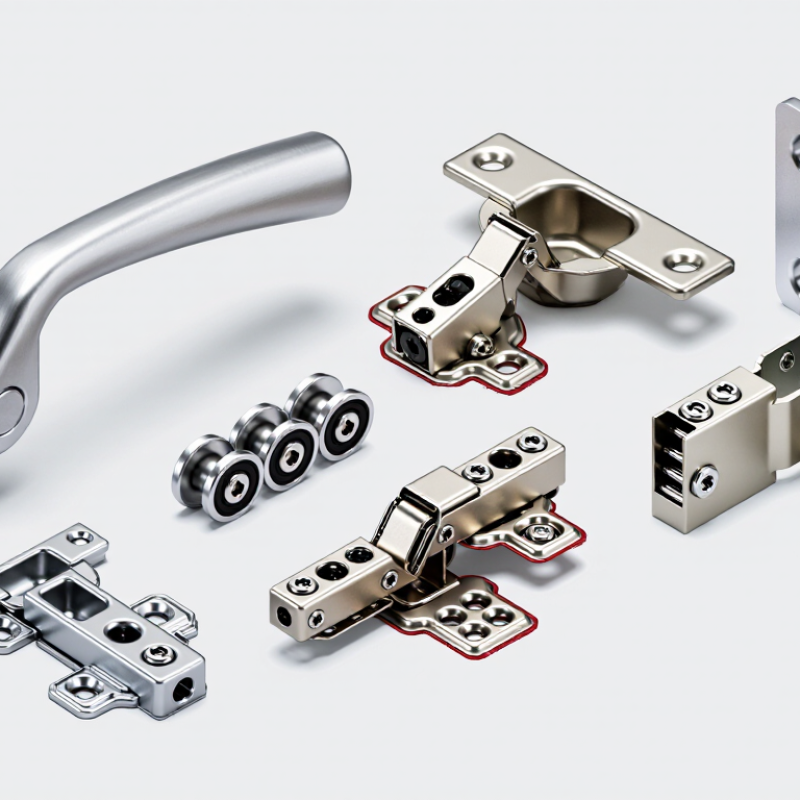
How to Choose the Best Aluminum Window Hardware

Identify the Requirements of Your Aluminum Window

Identify the window’s operation before choosing hardware. A top-hung awning sash needs different hinges from a side-hung casement or a sliding window. Record the sash width, height, estimated weight, opening direction, and frame clearance. Check the profile material and drainage path too. A handle may fit the frame yet interfere with a screen or nearby trim. There is no universal hardware set; a tidy catalog match can still fail on site.

Next, define the conditions the hardware must handle. Large or heavy sashes may need load-rated hinges or stays, while sliders depend on correctly sized rollers and tracks. For exposed locations, consider corrosion-resistant finishes and materials. Also check that locks pull the sash evenly against its seals. The U.S. Department of Energy’s Energy Saver guidance estimates that windows account for about 25–30% of residential heating and cooling energy use. Hardware alone cannot deliver that performance, but poor closing pressure can undermine a good seal.

Tips: Measure twice. Check the sash weight, swing, and clearance with the window open. Ask the supplier for load ratings and compatibility details, not just a matching handle shape. A small mismatch is easy to overlook—and annoying to live with. If the existing window is worn or distorted, measure it carefully; copying its old hardware may repeat the original problem.

Understand the Main Types of Window Hardware

Aluminum window hardware includes hinges, pivots, rollers, locks, handles, and operating mechanisms. Each part suits a different sash movement. Casement and awning windows use hinges or friction stays to guide the sash and hold it open. Sliding windows rely on rollers beneath the sash; adjustable tandem rollers can help a heavy panel travel smoothly. Check the track, too. Grit and worn rollers can make a sound window feel faulty.

Locks do more than secure a window. A well-aligned latch can pull the sash against its weather seals, while a loose keeper may leave visible gaps. The U.S. Department of Energy’s Energy Saver guidance estimates that windows account for 25–30% of residential heating and cooling energy use. That makes seal contact and dependable operation worth checking, though hardware alone cannot fix poor glazing or installation. For a specific opening, match hardware to sash weight, opening direction, and exposure to moisture. Stainless or suitably coated parts may be appropriate in damp settings; verify material compatibility with the frame. Small details matter. Measure before ordering. One caveat: heavier hardware is not automatically better, and I would recheck clearances after installation.

Check Hardware Compatibility with the Window System

Aluminum window hardware must match the window system, not just the opening in the frame. A handle may fit the screw holes yet fail to engage the lock correctly. Check the window’s opening style, profile, and original hardware before ordering replacements. A sliding sash needs rollers suited to its track and weight; a casement window needs compatible hinges and locking points. Fit matters.

Measure the existing parts, including screw spacing, spindle length, roller height, and hinge position. Compare those dimensions with the window maker’s specifications when available. Also check the sash weight and the hardware’s stated load capacity. A part that is slightly undersized may cause dragging, uneven seals, or a lock that feels stiff. Do not guess. If specifications are missing, take clear photos and measurements to a qualified window professional. It is tempting to replace only the visibly damaged piece, but worn rollers or misaligned hinges can strain new hardware. I would inspect the full operating system before deciding; that extra check can prevent a second repair. Yet measurements from an old, distorted part may not be reliable, so verify them against the frame and sash.

Compare Materials, Durability, Security, and Operation

When comparing aluminum window hardware, look beyond the frame material. Handles, hinges, locks, and rollers may use different metals or finishes. Stainless steel parts generally resist rust well, especially in damp or coastal settings. Zinc-alloy components can cost less, but their finish and exposure matter. Aluminum parts are light, though they may wear faster at points of repeated contact. Feel the difference. A handle should turn without scraping, and a sliding sash should move without a gritty sound. I would not judge durability by appearance alone; a polished surface can hide a weak internal mechanism.

Security depends on how hardware engages the frame, not just on a heavy-looking lock. Check that locking points meet their keepers cleanly and that fixing screws anchor firmly. For larger windows, multiple locking points can help distribute pressure. Still, poor installation can undermine good hardware. Ask whether hinges and rollers are rated for the sash’s weight, and check that replacement parts will remain available. Smooth operation matters every day: stiff hinges can strain handles, while worn rollers may let a sash drag. A little resistance is normal, but binding deserves attention. The right choice balances corrosion resistance, solid fastening, and easy adjustment for the window’s location and use.

How to Choose the Best Aluminum Window Hardware

Material comparison: typical density by alloy or grade (g/cm³)

Aluminum 6061 is much lighter by volume than the other listed materials, which can help keep hardware weight down. Density alone does not determine durability, security, or smooth operation: alloy grade, component design, finish, and installation also matter. Values are typical nominal densities and may vary slightly by specification.

Choose and Verify the Best-Fit Hardware Set

Choosing the best-fit aluminum window hardware set begins with the window, not the catalog. Identify whether the sash slides, swings, tilts, or stays fixed. Measure the existing handle position, hinge spacing, track width, and screw centers. Measure twice. Note the sash’s opening direction, too; left- and right-hand parts may look nearly identical.

Check each component against the window’s profile and weight. A heavy sash may need hinges or rollers with a suitable load rating, while exposed locations benefit from corrosion-resistant finishes. Compare product dimensions with the frame and sash, not just the old part. Older windows can be bent or worn, so existing hardware is not always a perfect template. I still find this easy to overlook.

Before fitting a full set, test one component if possible. Confirm that holes align without forcing screws, and that locks engage cleanly. Open and close the sash slowly. It should move without scraping, rocking, or leaving an uneven gap. Small mismatch, big trouble. Check that the hardware does not obstruct the weather seal or drainage paths. If operation remains stiff, recheck alignment and measurements rather than tightening everything harder.

FAQS

What should I measure before choosing aluminum window hardware?

Record the sash width, height, estimated weight, opening direction, and frame clearance. Check screw centers and track width too. Measure twice.

Does every aluminum window need the same hardware set?

No. Sliding windows need suitable rollers and tracks, while swinging sashes need compatible hinges or stays. A matching handle alone proves little.

How can I tell if hinges or rollers can support my sash?

Check their load ratings against the sash weight. Ask the supplier for compatibility details. I would not guess from appearance.

Which materials are useful in damp or coastal locations?

Stainless steel parts generally resist rust well. Also check the finish and exposure conditions; material names alone do not tell the whole story.

What should I check when comparing handles and locks?

Turn the handle and check for scraping. Confirm that locking points meet their keepers cleanly and pull the sash evenly against its seals.

How can I check that replacement parts fit?

Compare dimensions with the frame and sash, including hinge spacing and screw centers. Older frames may be bent, so old hardware is not always a reliable template.

What should I test before installing a full hardware set?

If possible, test one component first. Check hole alignment without forcing screws, then open and close the sash slowly. Small mismatch, big trouble.

What can cause a newly fitted window to move stiffly?

Misalignment, unsuitable rollers, or uneven fitting may cause binding. Recheck measurements and alignment before tightening everything harder. I might overlook this too.

Conclusion

Choosing the best Aluminum Window Hardware starts with understanding the window’s purpose, size, opening style, location, and expected frequency of use. These details help determine which components are needed, such as handles, hinges, locks, rollers, or stays. Knowing the main hardware types makes it easier to compare options and select parts that support smooth, reliable operation.

Before purchasing, confirm that each component is compatible with the window system, including its profile, dimensions, and installation requirements. Compare materials and construction for durability, corrosion resistance, security, and ease of operation. Finally, check that the selected pieces work together as a complete set, fit the window correctly, and meet the needs of the space. Careful verification can help avoid mismatched parts and support long-term performance.


Oliver

Oliver

Oliver is a professional marketing specialist with extensive experience in developing clear, practical, and customer-focused content for modern businesses. As a core contributor to the company’s communications team, he combines market insight, product knowledge, and a strong understanding of......