Choosing Roll Formed Aluminum Window Screens is not simply a matter of selecting the lowest price. The screen must match the window opening, local weather, frame depth, and expected daily use. A coastal home may need stronger corrosion resistance, while a shaded apartment may prioritize airflow and visibility. Small differences matter.
I have seen screens that looked excellent in a showroom but rattled after installation. Others used sturdy aluminum yet fitted poorly around the corners. These details can affect comfort, appearance, and service life. As fenestration consultant John McFeely says, “The right screen starts with the opening, not the catalog.” That practical view deserves attention.
This guide explains how to compare Roll Formed Aluminum Window Screens with greater confidence. It will examine aluminum thickness, profile shape, mesh selection, surface coating, corner strength, and installation accuracy. It will also consider cleaning needs and long-term exposure to sun, rain, dust, and salt air. Performance comes first.
Not every strong screen is the best choice.
A heavier profile can improve rigidity, but it may increase cost and complicate handling. A darker mesh can reduce glare, yet it may slightly change the room’s appearance. Buyers should measure twice and question unclear specifications. Manufacturer testing, coating information, warranty terms, and installer experience can reveal more than attractive product photographs. The goal is a balanced decision: reliable protection, clear sightlines, smooth operation, and a finish that still looks right years later.
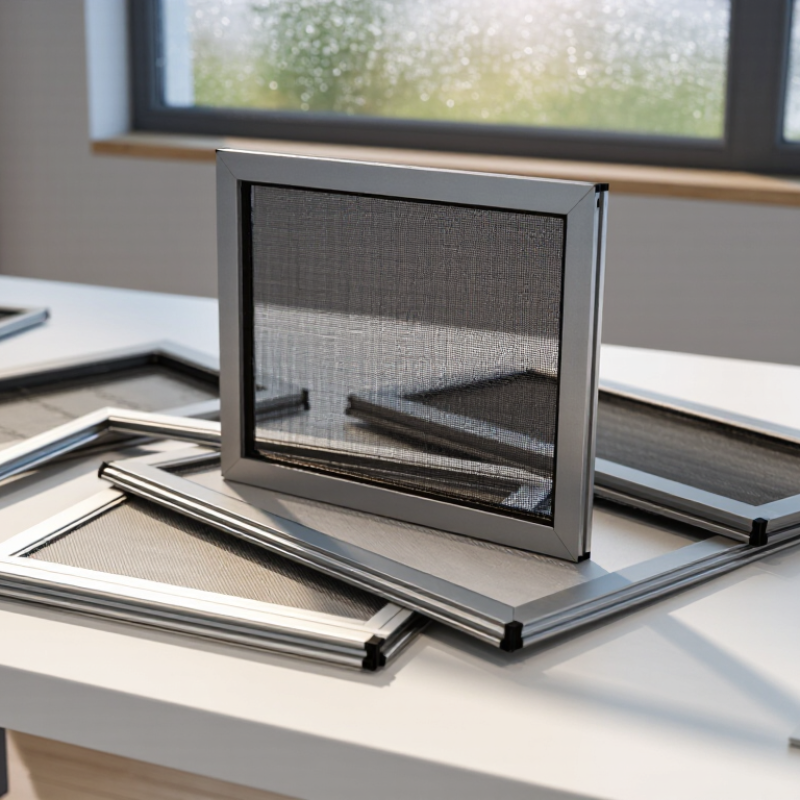
Understanding Roll Formed Aluminum Window Screens
Roll formed aluminum window screens are made by passing aluminum strip through shaped rollers. This process creates consistent frames with clean edges and repeatable dimensions. In practical installation, that consistency helps reduce gaps at corners and uneven tension across the mesh. It also makes replacement easier when opening sizes vary slightly.
Material selection needs more care than appearance. Aluminum resists rust, but coastal air can still damage weak coatings and fasteners. Look for a suitable alloy, durable powder coating, and corrosion-resistant hardware. Mesh openness also matters. Smaller openings improve insect control, while wider openings allow more daylight and airflow. The U.S. Department of Energy reports that windows can influence about 25% to 30% of residential heating and cooling energy use. A well-fitted screen cannot replace glazing performance, but it can support natural ventilation and reduce reliance on conditioned air.
The International Aluminium Institute reports that recycling aluminum uses about 95% less energy than producing primary aluminum. That figure supports choosing durable profiles with a clear recycling pathway. Ask for coating specifications, dimensional tolerances, and test information related to wind pressure and screen retention. Standards from professional fenestration organizations can help verify these details. A common mistake is choosing the thinnest frame to reduce cost. It may flex during installation. I would rather inspect the corners, rollers, and drainage paths first. Small defects become obvious after repeated opening, cleaning, and seasonal movement.
They are made by passing aluminum strips through shaped rollers. This creates consistent frames, clean edges, and repeatable dimensions. The corners may still need careful inspection.
Consistent dimensions can reduce corner gaps and uneven mesh tension. Replacement is also easier when opening sizes vary slightly. Small differences still matter.
Choose a suitable alloy, durable powder coating, and corrosion-resistant hardware. Check fasteners where aluminum touches other metals. Salt air can damage weak finishes surprisingly fast.
Smaller openings improve insect control. Wider openings provide more daylight and airflow. The best choice depends on local insects, ventilation needs, and comfort.
Screens cannot replace efficient glazing. However, they can support natural ventilation and reduce air-conditioning use. Windows may influence about 25% to 30% of household heating and cooling energy use.
Measure the opening, frame depth, and interior reveal. Record each dimension at three points. Older openings are often not perfectly square.
Clip-in screens work well for seasonal removal. Screw-fixed frames provide stronger resistance in exposed areas. Sliding systems need matching tracks, clearance, and correctly placed rollers.
Confirm the frame fits the track and does not bind during movement. Keep weep holes open and leave clearance around moving parts. Test the latch before fastening everything.
Inspect corners, roller paths, drainage routes, coating details, and frame thickness. Check wind-pressure and retention information when available. The thinnest frame is not always the cheapest long-term choice.
Avoid relying on one measurement or appearance alone. Roll formed edges can hide slight distortion. I sometimes prefer a conservative fit, but it may leave visible gaps. That trade-off deserves another look.
Choosing Roll Formed Aluminum Window Screens starts with understanding how their formed aluminum frames provide a practical balance of strength, light weight, and clean appearance. Begin by measuring the window opening carefully, then select a screen size and frame profile that fit securely without interfering with the window’s operation. Consider the aluminum grade and surface coating according to your climate and expected exposure, as these factors can influence resistance to corrosion, wear, and fading. Mesh selection should also match your priorities, whether they are airflow, visibility, insect protection, or added screening performance.
Installation is another important consideration. Review whether the screen will use clips, tracks, springs, or another attachment method, and confirm compatibility with the existing window frame. The best choice should provide reliable ventilation while remaining easy to remove for cleaning or seasonal storage. By comparing materials, profiles, mesh types, installation requirements, and maintenance needs, homeowners can select a durable screen solution that fits both the window and the demands of everyday use.