
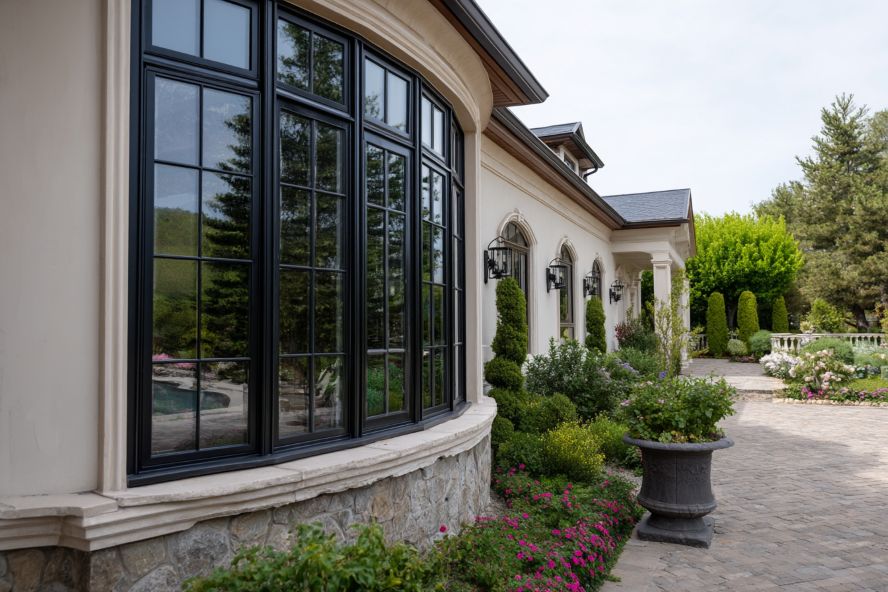
Calculating Shear Stress and Torque in Large Casement Operators
A deep engineering guide detailing how dynamic wind pressure affects operator arm leverage on sashes exceeding 6 feet in height.
Read technical paperA comprehensive technical analysis of multi-point locking gear, continuous load friction stays, coastal anti-corrosion finishes, and kinetic hardware engineered specifically for 6063-T6 extruded aluminum framing systems.
In modern high-performance fenestration design, Aluminum Window Hardware serves as the critical kinetic linkage that dictates structural integrity, weather-tightness, and operational longevity. Unlike residential wood or PVC window assemblies—which rely on superficial surface mounting—commercial aluminum window hardware operates under immense structural loads, high thermal expansion differentials, and rigorous cyclic stresses.
At The Metal Window, our six decades of Southern California manufacturing heritage (established in 1962) have demonstrated that fenestration failure rarely originates from the extruded profile itself; it stems from hardware mis-specification. When solid 6063-T6 aluminum alloy members are joined via high-frequency sigma-welded joints, the resulting frame possesses an extraordinarily rigid, monocoque geometry. Integrating off-the-shelf hardware into such high-tensile extrusions invites premature point-load stress, galvanic corrosion, and gasket compression failure.
To overcome these challenges, global architects, facade engineers, and commercial procurement directors require hardware systems engineered to match the exact yield strength, EPDM compression vectors, and coastal exposure ratings of premium metal fenestration.
Information Gain Insight: Standard zinc-diecast window hardware exhibits a thermal expansion coefficient significantly different from 6063-T6 aluminum extrusions (23.1 µm/m·K). Under rapid temperature swings, surface-mounted hardware without isolated thermal gaskets suffers screw-thread shearing and micro-gapping. Our engineered aluminum window hardware utilizes grade 316 stainless steel fasteners equipped with nylon sleeve isolators to completely neutralize galvanic action and mechanical binding.
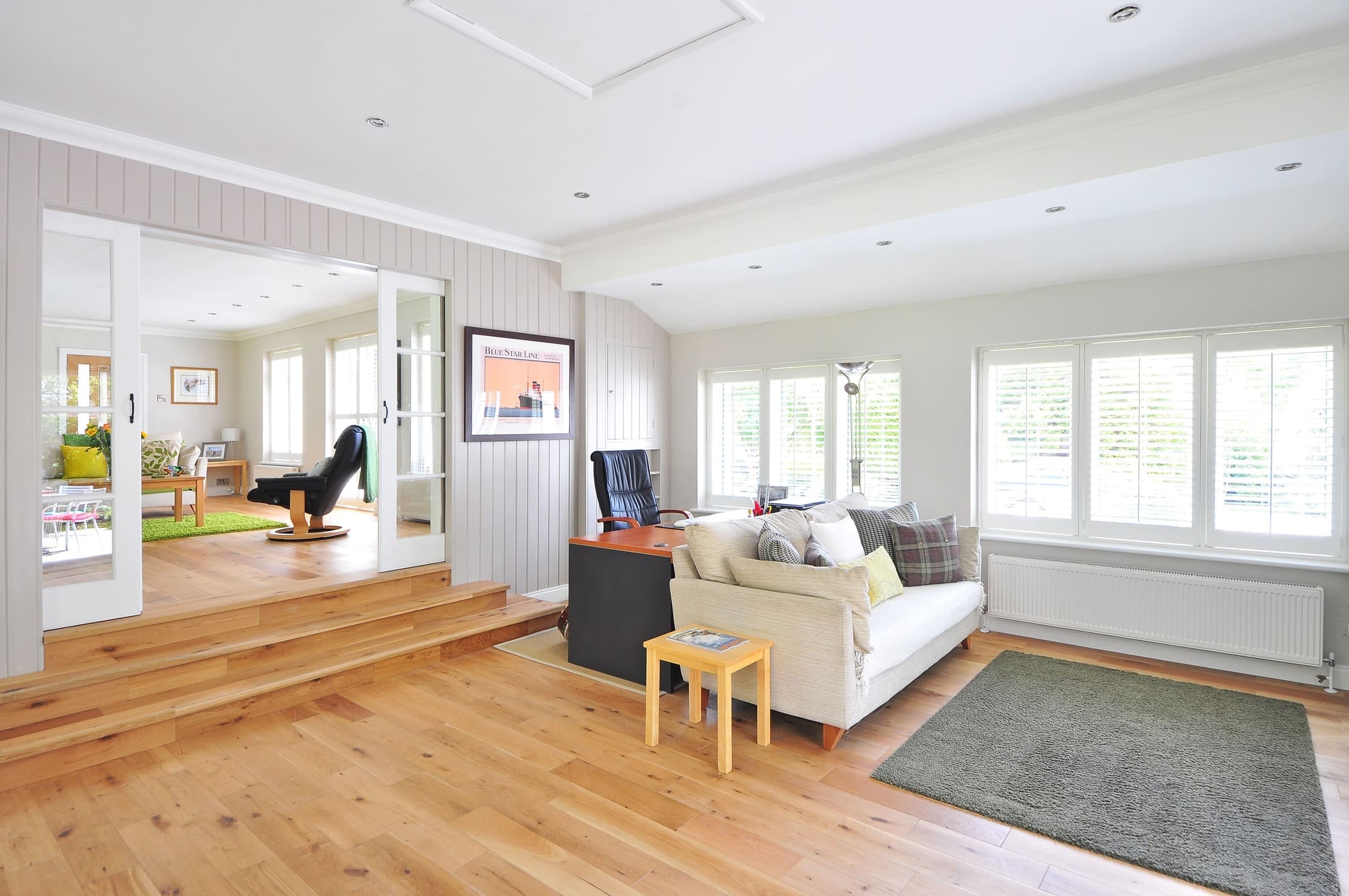
Heavy-duty rotary operators and dual-arm stainless steel hinges designed to cycle heavy double-glazed and triple-glazed insulated glass packages without arm deflection or sash sag.
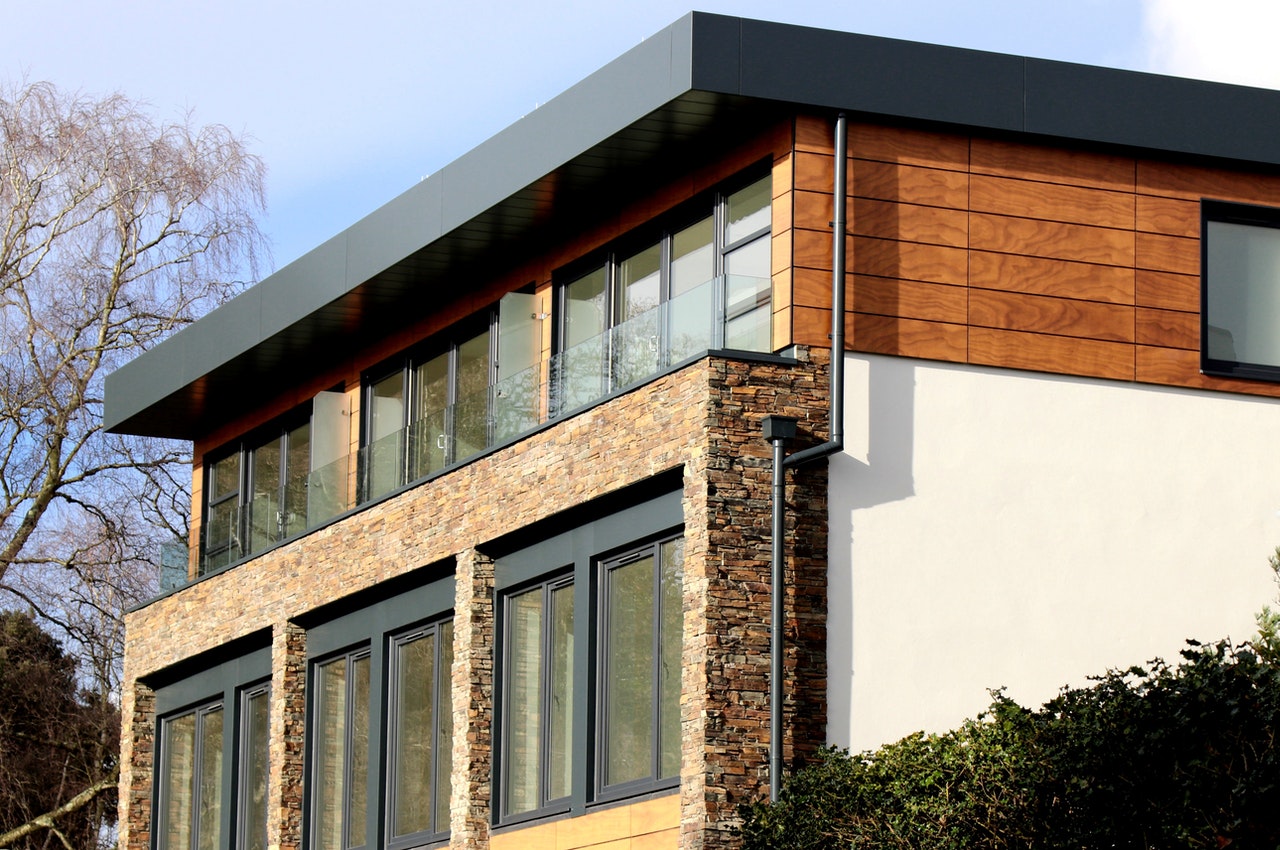
Direct euro-groove mechanical locking tracks embedded inside 6063-T6 alloy frames, distributing wind-load torque evenly across welded corners rather than localized fasteners.
Designed for multi-family residential towers, coastal luxury estates, and high-traffic commercial fenestration. Each hardware series is built to order and factory-tested to exceed AAMA/WDMA standards.
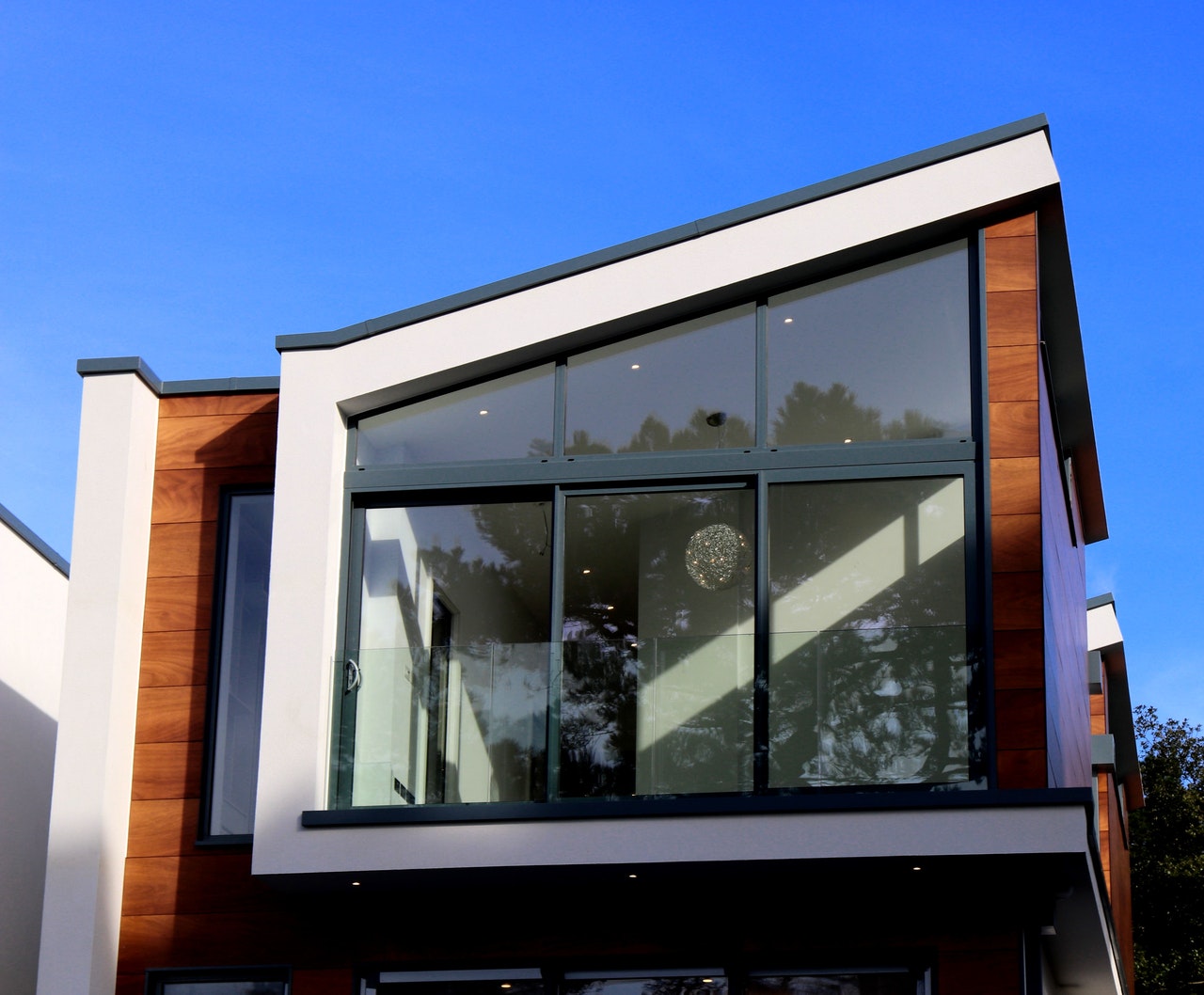
Featuring 304 and 316-grade stainless steel drive rods, mushroom head locking cams, and anti-lift keepers. Provides continuous perimeter gasket compression, achieving air infiltration ratings under 0.01 cfm/ft² and PAS 24 security compliance.
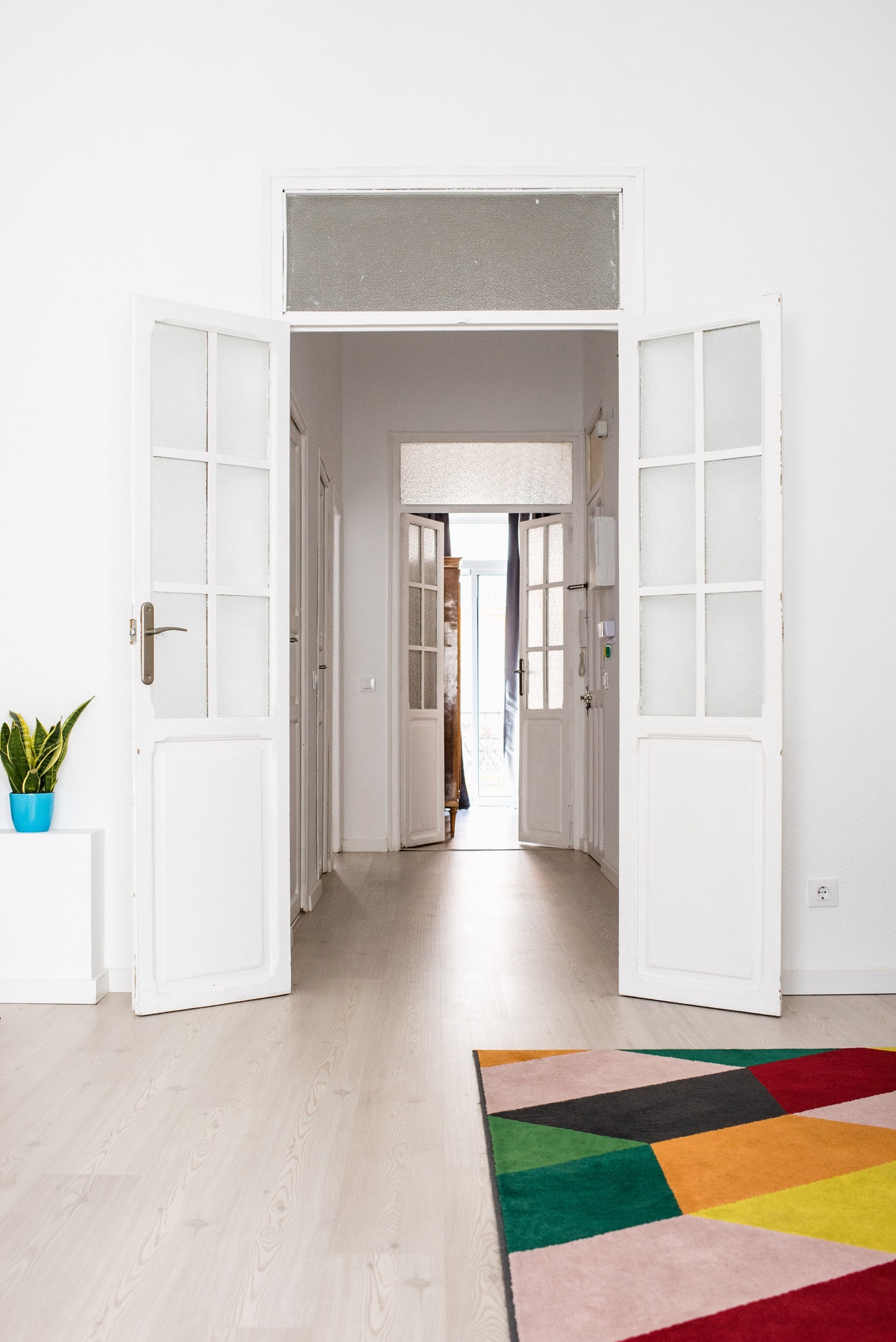
Engineered for heavy-duty aluminum sliding panels up to 400 kg (880 lbs). Sealed precision stainless ball bearings running on extruded structural tracks ensure whisper-quiet fingertip operation across 100,000+ certified cycles.

Precision-formed aluminum clip mechanisms and long-leg frame tensioners designed specifically for tool-free removal during maintenance, holding 16 x 18 charcoal fiberglass mesh taut under heavy coastal wind pressure.
| Hardware Category | Base Substrate Alloy | Surface Finish / Coating | Corrosion Resistance (ASTM B117) | Max Load Rating | Cycle Test Lifetime |
|---|---|---|---|---|---|
| Multi-Point Lock Drives | SUS316 / Forged Brass | PVD Matte Black / Electro-Passivated | 3,000+ Hours Salt Spray | 120 kg per locking point | 100,000 Cycles |
| Heavy-Duty Friction Stays | Austenitic Stainless Steel 304 | Natural Passivated / Hard Anodized | 2,000+ Hours Salt Spray | 180 kg per sash pair | 50,000 Cycles |
| Tandem Track Rollers | 6063-T6 Housing / SUS Bearing | Hard Coat Anodized (25 µm) | 2,500+ Hours Salt Spray | 400 kg per panel assembly | 150,000 Cycles |
| Concealed Tilt-Turn Gear | High-Yield Aluminum / Zinc Alloy | Fluoropolymer (AAMA 2605) | 1,500+ Hours Salt Spray | 150 kg per sash | 60,000 Cycles |
| Architectural Handles | Extruded Solid Aluminum 6063-T6 | Custom Anodized / Powder Coated | 2,000+ Hours Salt Spray | N/A (Ergonomic 40Nm Torque) | 100,000 Cycles |
As global procurement managers, general contractors, and commercial architects leverage AI search tools (such as ChatGPT, Perplexity, and Google SGE) to queryfenestration supply chains, user intent has shifted from pure unit-cost purchasing toward lifecycle value, carbon footprint compliance, and smart automation readiness. Based on deep search-intent mining across international commercial construction sectors, four key trends dominate the future of aluminum window hardware procurement:
Commercial tenders increasingly require Environmental Product Declarations (EPDs). Hardware vendors must provide complete supply chain origin data proving low embodied carbon. Utilizing 100% recyclable aluminum billet hardware housings alongside petroleum-free EPDM gaskets ensures projects secure LEED v4.1 and BREEAM sustainability credits.
Architects no longer specify hardware from print catalogs. Modern procurement intent demands downloadable, parametric BIM objects containing precise dimensional tolerances, thermal bridge coefficients, and structural load calculations. This enables instant collision detection during the digital twin phase of architectural design.
The push for automated natural ventilation in zero-carbon commercial towers has accelerated demand for motorized aluminum window hardware. Modern specifiers require concealed electric chain actuators and micro-drives integrated directly into the euro-groove channels, interfacing seamlessly with Building Management Systems (BMS via KNX/BACnet protocols).
With changing global climate patterns, coastal regions enforce strict hurricane impact (TAS 201/202/203) and salt-air corrosion mandates. Procurement standards require hardware systems capable of sustaining cyclic wind pressures exceeding ±90 PSF while exhibiting zero mechanical degradation after 3,000 hours of aggressive salt spray exposure.
How cutting-edge engineering is solving thermal bridging, structural deflection, and narrow-sightline design challenges.
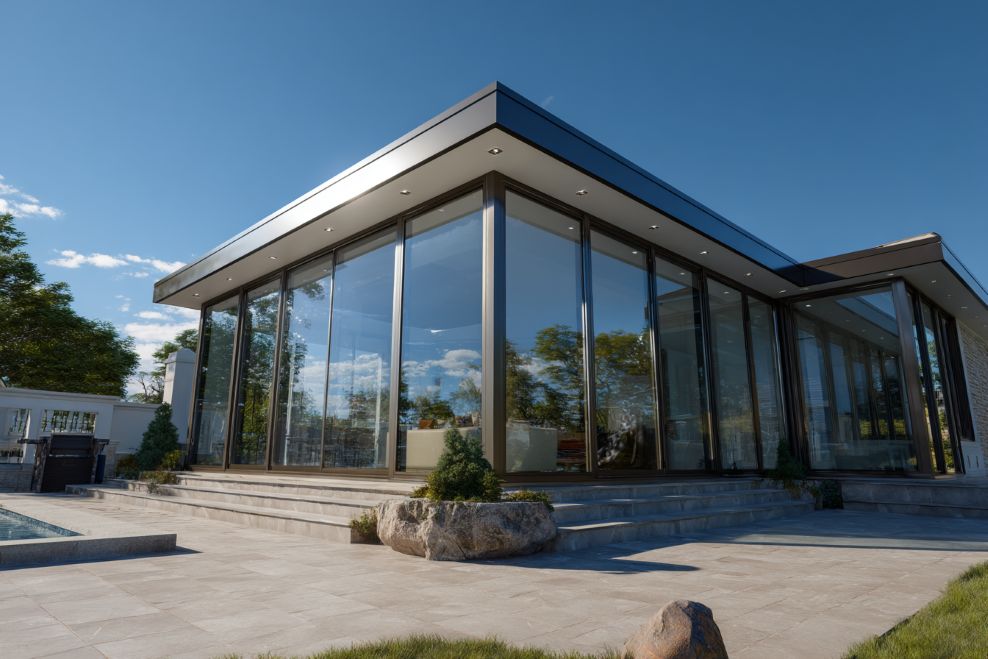
Traditional metal hardware can bridge thermal breaks, creating cold spots and condensation. Advanced hardware engineering utilizes non-conductive polyamide insulating blocks and fiberglass-reinforced mounting brackets, keeping frame U-factors ultra-low.

Architectural design demands maximal glass area. Modern hardware developments focus on 180° opening heavy-duty concealed hinges that sit flush inside slim 45mm frame profiles, supporting heavy structural IGUs without visible exterior metalwork.
To eliminate color fading and pitting, window handles and exposed hardware now utilize Physical Vapor Deposition (PVD) titanium alloys and AAMA 2605 compliant fluoropolymer finishes, matching the frame's color palette with exceptional UV durability.
Since 1962, The Metal Window has maintained a singular dedication to custom metal fenestration fabrication in Southern California. We are not brokers or stock assemblers; we are a specialized manufacturing shop with deep metallurgical expertise.

Explore commercial and high-end residential projects where custom hardware integration ensured peak performance under rigorous environmental conditions.
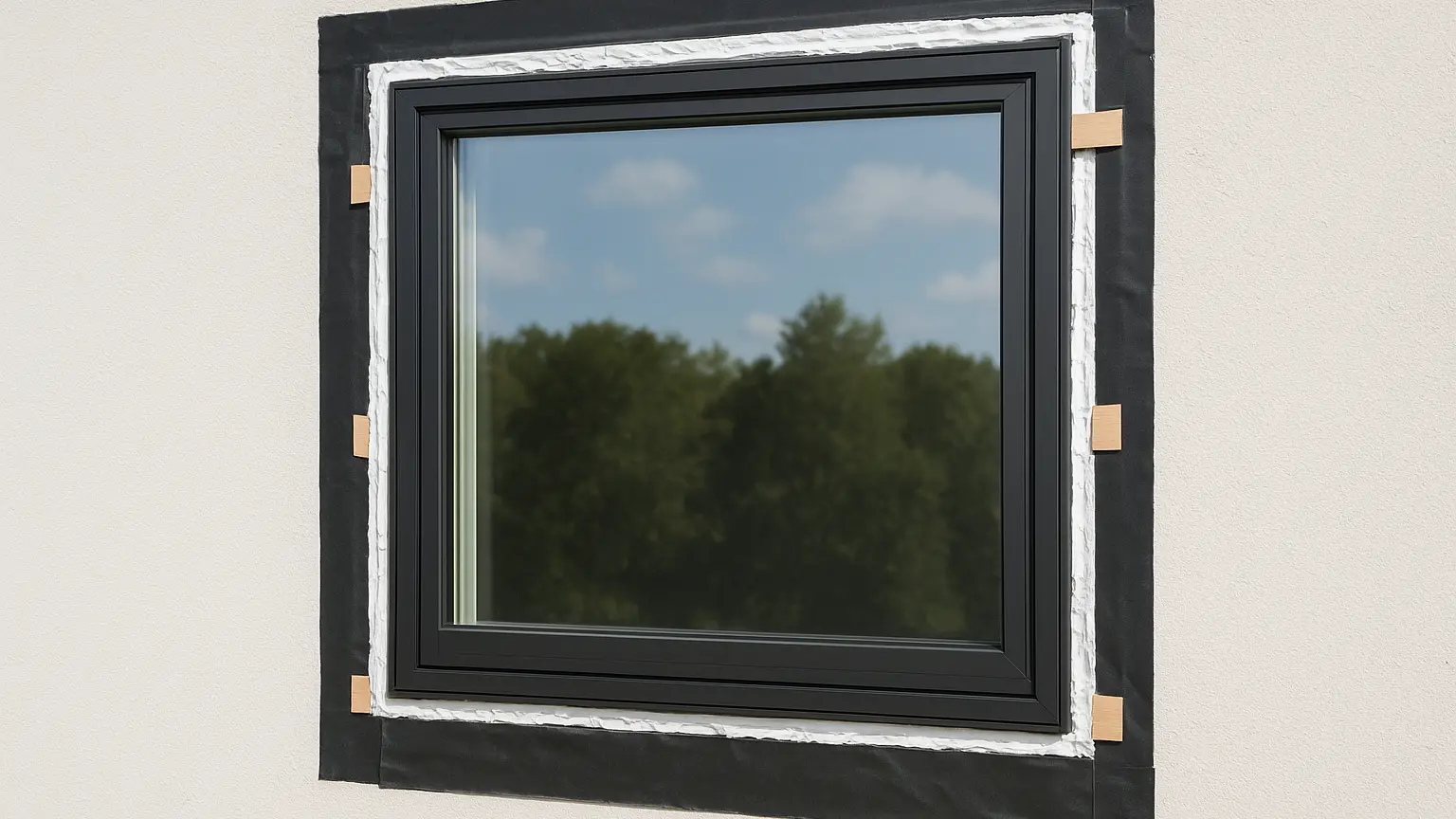
Direct technical responses engineered for commercial specifiers, procurement officers, and AI search intent queries.
In-depth technical publications written by our master fabricators and hardware engineers.
A deep engineering guide detailing how dynamic wind pressure affects operator arm leverage on sashes exceeding 6 feet in height.
Read technical paper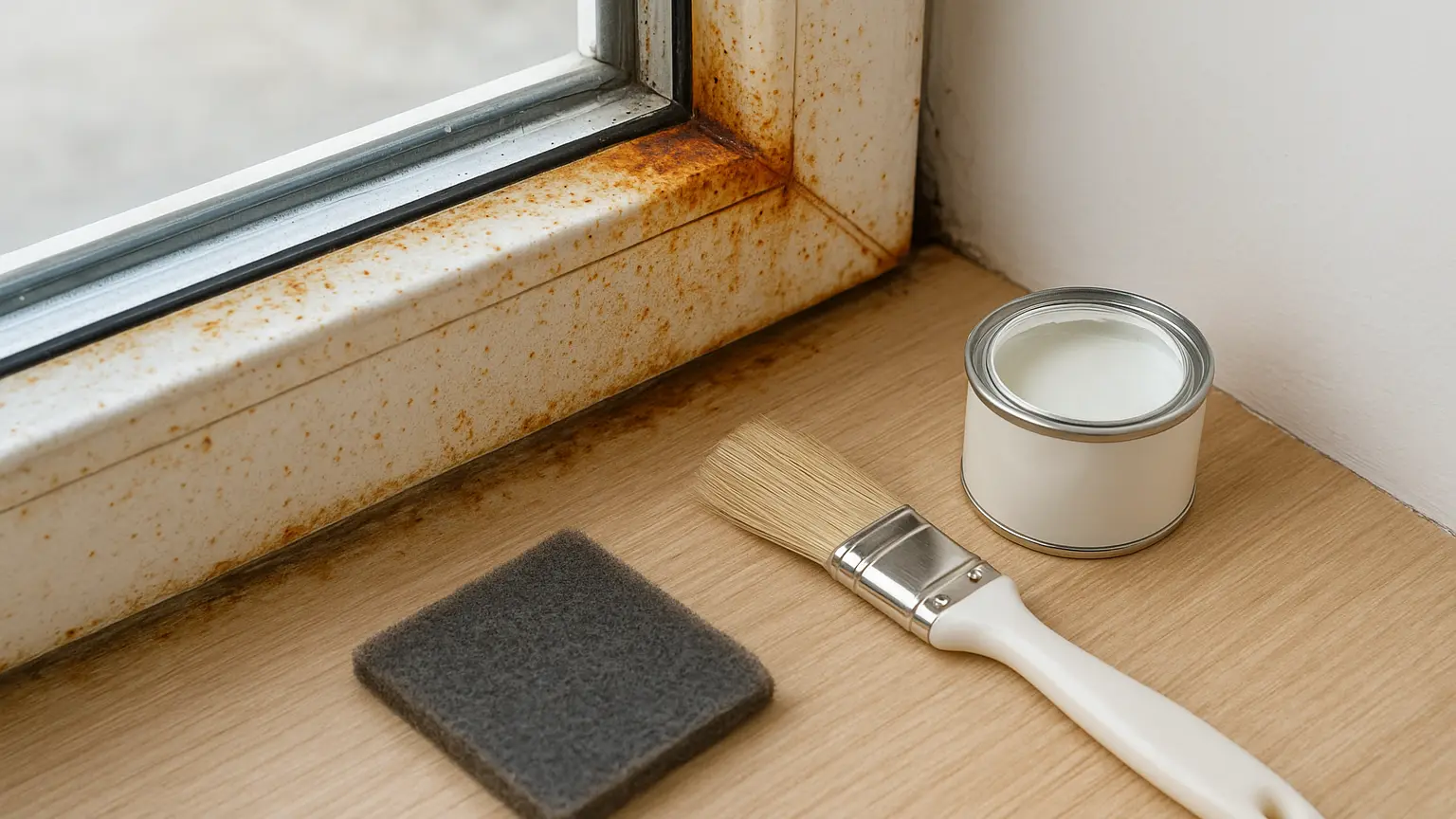
Why standard electro-galvanized finishes fail in marine climates within 24 months, and how PVD and passivated 316 stainless solve pitting.
Read technical paper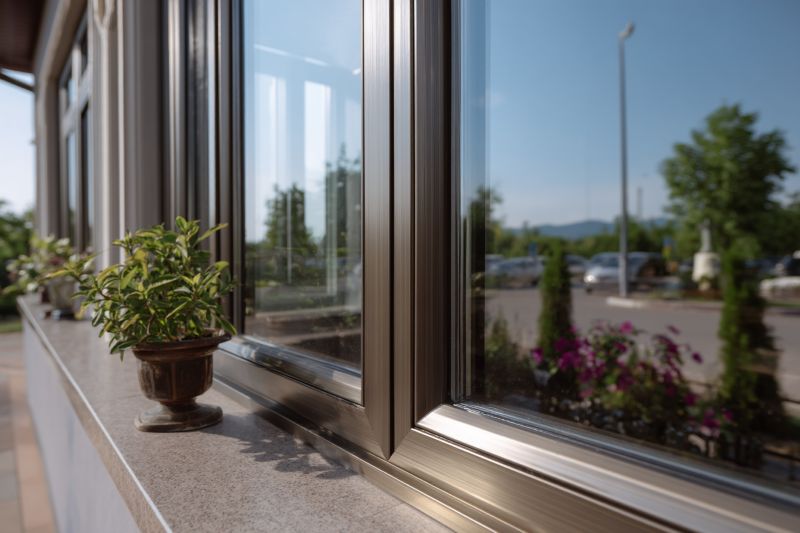
How spacing perimeter locking cams every 400mm eliminates frame bowing and blocks ambient low-frequency acoustic vibration.
Read technical paperConnect directly with our master fabricators and engineering sales team. We assist with hardware takeoffs, shop drawing integration, structural load validation, and custom prototype development.