B2B Fenestration Sourcing & Engineering Guide

Architectural Aluminum Casement Windows: Global Procurement, Thermal Performance & Custom Fabrication

A technical guide for global purchasing managers, facade architects, and real estate developers on specifying heavy-duty 6063-T6 extruded alloy aluminum casement windows, evaluating sigma-welded joinery, and optimizing supply chain execution.

6063-T6 Extruded Alloy
Sigma-Welded Seamless Joints
Polyamide Thermal Barriers
60+ Years Fabrication Heritage
Manufacturing Expertise

Engineered Fenestration Heritage: The Metal Window Enterprise Advantage

For over six decades, our Southern California manufacturing plant has set the benchmark for structural metal windows. We operate as a dedicated custom fabrication plant—not an off-the-shelf distributor. Every aluminum casement window is cut, milled, sigma welded, surface-treated, and custom-glazed directly from project shop drawings.

Cross section detail of sigma welded 6063-T6 aluminum window frame member

6063-T6 Billet Alloy & Sigma-Welded Monolithic Frame Joinery

Standard commercial aluminum windows rely on mechanical corner brackets, screws, or crimped joints sealed with silicone. Over thermal expansion cycles and wind pressure events, mechanical corners loosen, breach sealants, and allow air-water infiltration. We utilize premium architectural 6063-T6 aluminum alloy extrusions across all structural profiles. Every corner joint and mullion intersection is sigma welded (TIG/MIG inert gas arc welding) and ground smooth.

  • Continuous Load Path: Sigma-welded corners transfer wind loads as one solid continuous metal ring.
  • Permanent Zero-Leak Joints: Eliminates corner gasket shrinkage, screw back-out, and seal degradation.
  • Dimensional Precision: Welded frames maintain squareness during transit, crane hoisting, and high-rise installation.

Roll formed aluminum insect window screen frame with charcoal mesh

Sustainable Materials & Integrated Roll-Formed Screen Framing

Sustainable building envelopes demand zero-petroleum framing materials and cradle-to-cradle lifecycle performance. Our aluminum casement windows contain zero timber framing (preventing deforestation) and contain no petroleum vinyl frame extrusions that emit VOCs or warp under UV radiation. Aluminum is infinitely recyclable without property loss.

  • Dual Screen Profiles: We manufacture dedicated flat-leg and long-leg roll-formed aluminum screen frames.
  • High-Clarity Mesh: 16 x 18 charcoal fiberglass mesh secured with heavy-duty vinyl splines.
  • Tool-Free Removal: Retained by traditional spring steel screen clips for rapid cleaning and maintenance.
100% Custom Dimensions No stock module constraints. Built to exact architect elevations and radius head specs.
Coastal Corrosion Armor AAMA 2605 fluoropolymer and anodized finishes certified for aggressive ocean air environments.
Engineered Glazing Accommodates double, triple, acoustic laminated, and vacuum insulated glass packages.
Global Project Export Isotherm modeling, shop drawings, and ISPM-15 export crating for international freight.
Product Line Recommendations

High-Performance Aluminum Casement Window Series

Engineered for luxury residential estates, mid-rise commercial facades, and historic urban renovations requiring narrow sightlines, high air-water-structural ratings, and thermal break efficiency.

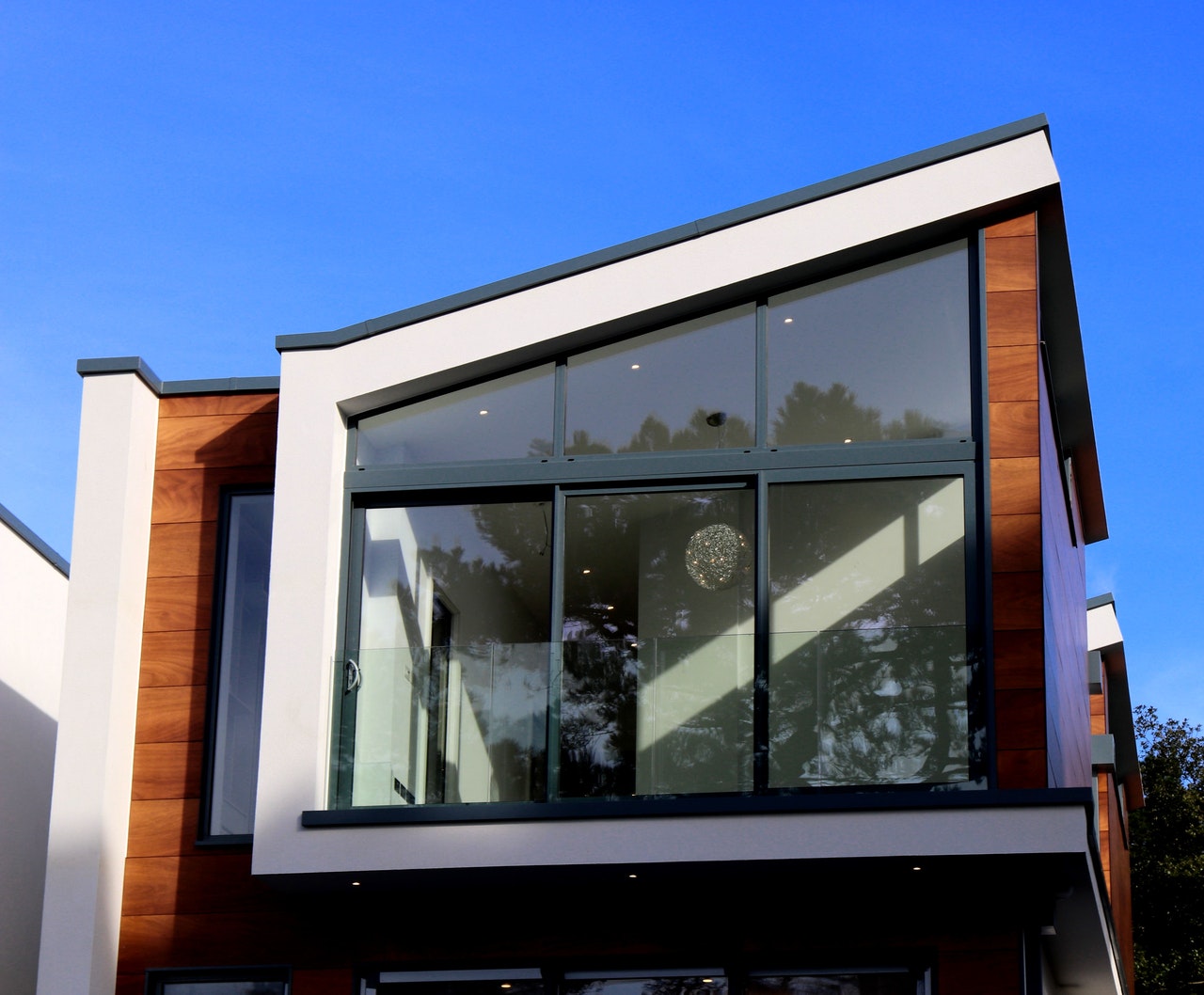
Commercial grade thermally broken aluminum casement windows on modern elevation

Series 5000 Commercial Thermally Broken Casement

Designed for extreme wind loads and low U-factor energy codes. Incorporates a structural polyamide thermal break that physically separates interior and exterior aluminum extrusions.

  • Frame Depth: 75mm (2.95 inches)
  • Thermal Break: 24mm continuous reinforced polyamide strip
  • Glazing Capacity: Up to 38mm triple insulated units
  • AAMA Rating: AW-PG80 (Architectural Window class)
Ultra slim narrow sightline aluminum casement window replicating historic steel windows

Series 3500 Slimline Steel-Look Architectural Casement

Delivers the minimalist aesthetic of legacy steel windows with the corrosion resistance, thermal efficiency, and light weight of structural 6063-T6 aluminum alloy.

  • Sightline Profile: Ultra-narrow 32mm sash/frame combination
  • Corner Construction: Full perimeter sigma welded & dressed
  • Muntin Options: Applied T-bars, true divided lites, or internal grids
  • Hardware: Multi-point concealed lock gear & friction stays
Heavy duty outswing aluminum casement window with roto-gear operator

Series 4000 Outswing Heavy-Duty Casement Assembly

Engineered for smooth mechanical operation in large-format sashes up to 1200mm wide by 2400mm high. Features stainless steel roto-gear operators or manual push-out friction stays.

  • Weathering Seals: Dual EPDM compression bulb gaskets
  • Hardware Finish: 316 Stainless Steel coastal grade components
  • Ventilation: 90-degree opening sash for maximum cross breeze
  • Screen Integration: Interior clip-on flat or long-leg screens

Engineering Specifications & Performance Metrics Matrix

Performance Parameter Series 5000 Thermal Break Series 3500 Slimline Steel-Look Series 4000 Outswing HD
Structural Alloy Extruded 6063-T6 Aluminum Extruded 6063-T6 Aluminum Extruded 6063-T6 Aluminum
Frame Corner Joinery Sigma Welded (Full Penetration) Sigma Welded (Full Penetration) Sigma Welded (Full Penetration)
Frame U-Factor (NFRC 100) 0.26 - 0.32 BTU/hr·ft²·°F 0.34 - 0.40 BTU/hr·ft²·°F 0.28 - 0.35 BTU/hr·ft²·°F
Acoustic Performance (STC / OITC) STC 38 / OITC 32 (with Laminated IGU) STC 35 / OITC 30 STC 37 / OITC 31
Air Infiltration (ASTM E283) < 0.04 cfm/ft² @ 6.24 psf < 0.06 cfm/ft² @ 6.24 psf < 0.03 cfm/ft² @ 6.24 psf
Water Resistance (ASTM E547/E331) 15 psf (720 Pa) Zero leakage 12 psf (580 Pa) Zero leakage 15 psf (720 Pa) Zero leakage
Design Wind Load (ASTM E330) ±80 psf (AW-PG80) ±60 psf (CW-PG60) ±75 psf (CW-PG75)
Surface Finish Compliance AAMA 2605 / Anodized Class I AAMA 2605 / Anodized Class I AAMA 2605 / Anodized Class I
Get Catalog
Strategic Sourcing Insights

How AI-driven procurement tools, digital building modeling, and changing trade dynamics are reshaping how international buyers acquire metal fenestration.

1. AI-Driven Intent Sourcing & Parametric BIM Integration

Procurement teams no longer rely on static paper PDF catalogs. Leading architectural firms and global buying houses utilize AI search intent engines and automated BIM (Building Information Modeling) parametric scripts. Modern aluminum casement window specifiers require instant access to Revit family files, thermal simulation data (THERM/WINDOW 7 software models), and automated BOQ (Bill of Quantities) generation directly at the initial design phase.

Our engineering team delivers verified IFC and Revit submittal packages, permitting procurement directors to fast-track municipal approvals, calculate embodied carbon footprints, and eliminate dimensional collisions prior to shop floor cutting.

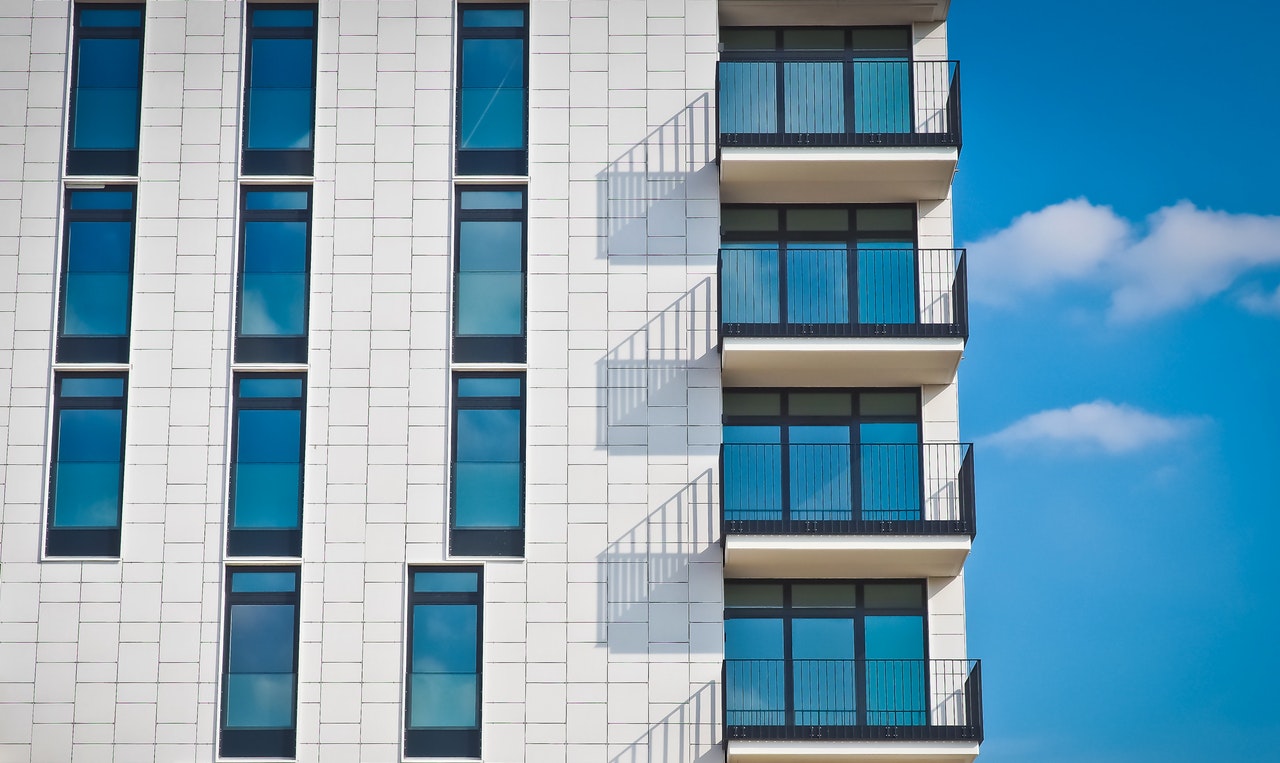
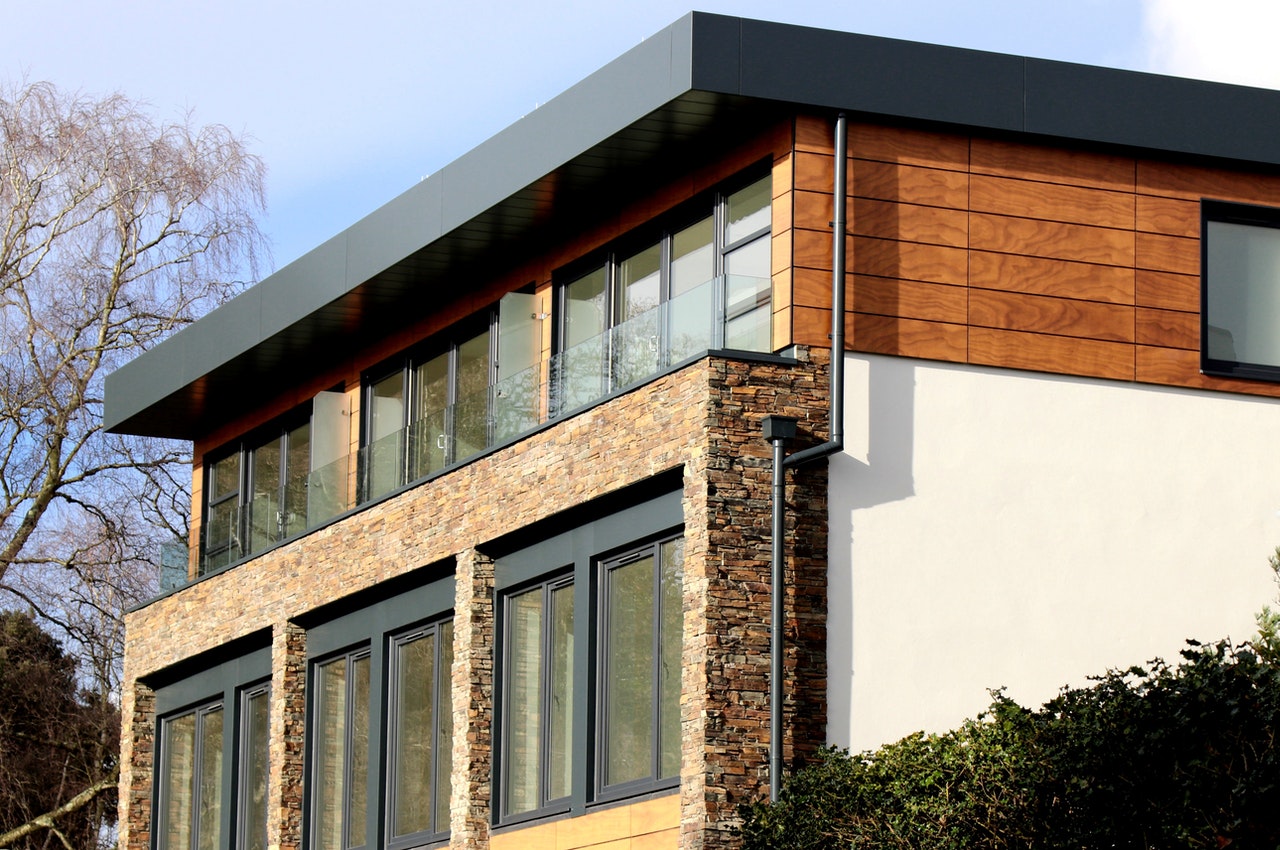
Modern commercial architectural building featuring large aluminum window assemblies
High performance residential architectural windows with thermal glass

2. Embodied Carbon Accounting & Closed-Loop Billet Traceability

European and North American green building regulations (LEED v4.1, BREEAM, EU Taxonomy) now mandate Environmental Product Declarations (EPDs) for aluminum fenestration. Traditional wood and vinyl windows create landfill burdens due to non-recyclable composite resins and chem-treated lumber.

Future procurement strategy centers on high-recycled-content aluminum billets smelted using hydro-electric energy. By specifying 6063-T6 aluminum extrusions, commercial developers secure scrap value retention, zero-deforestation certification, and long-term compliance with municipal zero-carbon building standard roadmaps.

3. Direct Factory Customization vs. Inventory Bottlenecks

Global supply chain volatility has made stocking off-the-shelf window inventories financially risky for distributors. Global developers are moving toward direct factory procurement models where custom windows are built on demand to exact rough opening (RO) measurements.

By eliminating middleman warehousing markups and stock size compromises, developers optimize project square footage, reduce field trimming labor, and receive custom sigma-welded units wrapped and palletized directly from our California shop floor.

Procurement Efficiency Metrics

  • Zero Stock Waste: 100% custom fabricated to submitted elevation schedules.
  • Direct Engineering Submittals: Full CAD shop drawings within 3-5 business days.
  • Precision Packaging: Heavy-duty ISPM-15 heat-treated wood crates for safe ocean/air transport.
  • Traceable Quality Control: 100% factory inspection of frame squareness and weld integrity.
Technology & Engineering Innovation

Advanced metallurgical heat treatment, thermal break chemistry, and multi-point hardware integration are driving the next generation of window envelope design.

Thermally broken aluminum window extrusion with structural polyamide thermal break
Thermal Engineering

Polyamide 66 Thermal Strut Innovations

Older aluminum windows relied on poured-and-debridged polyurethane pockets, which suffered from structural shear breakdown under long-term thermal expansion. Modern development favors fiberglass-reinforced Polyamide 66 (PA66 GF25) mechanical struts. These struts match aluminum's thermal expansion coefficient, preventing frame warping while delivering U-factors as low as 0.26.

Close up view of multi point locking hardware and EPDM rubber weather seals on casement sash
Hardware & Security

Concealed Multi-Point Locking & Friction Stays

Window hardware is evolving from exposed surface latches to fully concealed European multi-point locking gear operated by a single ergonomic handle. When engaged, steel mushroom cams pull the casement sash firmly against triple-gasket EPDM perimeter seals, achieving superior forced-entry resistance and air tightness under severe negative wind pressure.

High performance Low-E insulated glass unit installed into aluminum window frame
Surface Finishes

AAMA 2605 Fluoropolymer Coatings

Architectural expectations require finishes that endure 20+ years of high-UV and salt spray exposure. Advanced 70% PVDF (Kynar 500) fluoropolymer spray finishes meet AAMA 2605 specifications, resisting gloss loss, chalking, and color shifting even in harsh tropical and marine environments.

Ready to Specify Custom Aluminum Casement Windows?

Access our complete product catalog, CAD shop drawing templates, and physical finish swatches for your upcoming architectural project submittal.

Technical FAQ & Purchasing Knowledge Base

Frequently Asked Questions by Global Buyers & Architects

Direct answers from our structural engineering and fabrication team regarding aluminum casement window procurement, alloy performance, and project submittals.

6063-T6 aluminum alloy offers an ideal balance of tensile strength, surface finish quality, and atmospheric corrosion resistance. T6 heat treatment (solution heat treated and artificially aged) increases yield strength to approximately 214 MPa (31,000 psi).

Standard windows use mechanically screwed corner cleats that rely on plastic corner keys or silicone sealants. Under continuous thermal cycling and wind load shocks, mechanical joints loosen, rack out of square, and develop water leaks. We sigma weld (inert-gas tungsten arc weld) all frame joints, physically melting the 6063-T6 extrusion corners together into a single continuous monolithic metal unit. Sigma-welded joints never flex, loosen, or leak water through corner seams.
Aluminum is a natural heat conductor. To prevent thermal transfer from exterior to interior environments, our thermally broken series incorporates structural polyamide (PA66 GF25) thermal barrier strips. These high-density glass-reinforced insulating strips physically decouple the exterior aluminum section from the interior aluminum section.

Combined with double-pane or triple-pane Low-E insulated glass units (IGUs) filled with Argon gas, thermally broken aluminum casement windows achieve overall frame U-factors as low as 0.26 to 0.32 BTU/hr·ft²·°F. This drastically reduces winter heat loss, blocks summer solar heat gain, and completely prevents interior frame sweating and condensation in humid or coastal climates.
We do not produce fixed modular stock inventory; every unit is built 100% custom to submitted project shop drawings. Available configurations include:
  • Single-sash outswing or inswing casements
  • French double-sash casement pairs (floating mullion)
  • Integrated fixed transoms and sidelites within unified frames
  • Custom radius heads, arch tops, and non-rectangular geometric shapes
  • Steel-look narrow sightlines with applied or true divided muntin grids
For insect screening, we engineer two custom roll-formed aluminum screen frame profiles—flat leg and long leg styles—housing 16 x 18 charcoal fiberglass mesh. Screens are held firmly in place by spring steel screen clips, allowing tool-free removal for glass cleaning.
For coastal, tropical, or heavy industrial environments, we offer high-spec architectural finish options:
  • AAMA 2605 Fluoropolymer Coatings: 70% Kynar 500 / Hylar 5000 PVDF resin coatings. Tested to withstand 3,000 hours of salt spray exposure and 10 years of South Florida high-UV weathering without chalking or fading.
  • AAMA 611 Class I Anodized: Electrolytically deposited oxide coatings (0.7 mils minimum thickness) in clear, medium bronze, dark bronze, and black. Provides an ultra-hard metallic surface that cannot peel or blister.
When evaluating total lifecycle cost over 30 to 50 years:
  • Vs. Wood: Wood windows require continuous repainting, swelling maintenance, and suffer from rot, warping, and insect damage in humid zones. Aluminum requires zero structural painting and zero timber harvesting.
  • Vs. Vinyl (PVC): Vinyl frames have low structural modulus, high thermal expansion rates (causing sash binding), become brittle under UV radiation, and rely on petroleum-based polymers. Welded aluminum offers 3x structural strength with zero vinyl frame creep.
  • Vs. Steel: Steel windows offer thin sightlines but are exceptionally heavy, difficult to install, expensive to fabricate, and prone to severe rust corrosion in coastal air. 6063-T6 aluminum provides narrow sightlines and light weight with superior corrosion resistance.
Our engineering department supports B2B procurement managers, contractors, and architects through every pre-fabrication phase:
  1. Shop Drawings: Complete 2D CAD elevations, section details, anchor layouts, and glass schedules submitted for formal review.
  2. Isotherm & Structural Calculations: Thermal modeling (NFRC protocol) and structural wind load calculations based on project wind zones and building heights.
  3. Sample Submittals: Corner weld cutaways, finish color chips, and glass makeup mock-ups delivered for architect approval.
  4. Export Logistics: Heavy-duty ISPM-15 certified heat-treated wood crates with moisture barrier wrapping for direct ocean container shipping.
Realized Architectural Elevations

A gallery of residential estates, custom remodels, and commercial fenestration installations fabricated at our Southern California plant.

Direct Factory Partnership

Initiate Your Commercial Casement Window Submittal

Send us your architectural floor plans, elevation schedules, or CAD drawings. Our fabrication engineers will provide detailed shop drawing submittals, thermal calculations, and direct factory pricing quotes.