
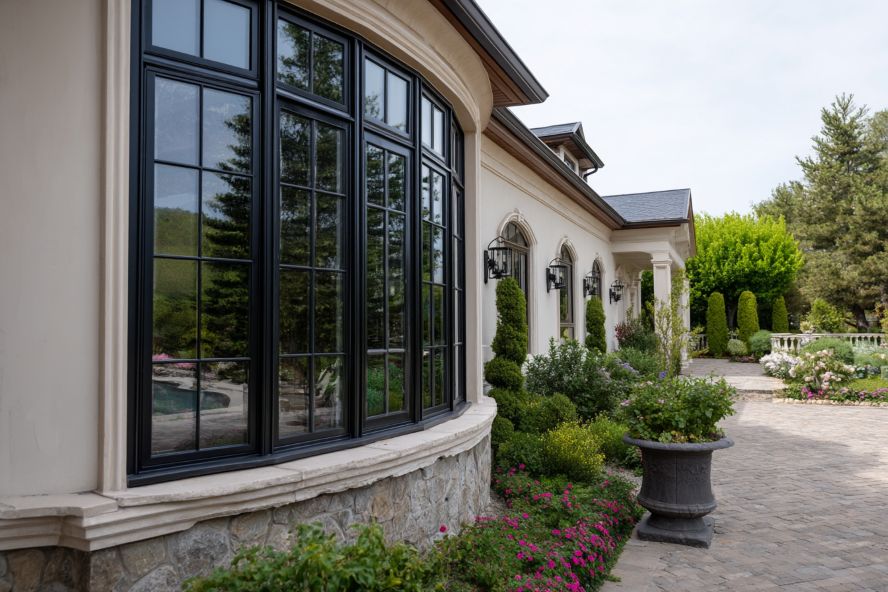
Aluminum vs. Steel Window Frames: Structural Capacity & Coastal Deflection
A rigorous engineering comparison between 6063-T6 extruded aluminum and hot-rolled carbon steel profiles in coastal atmospheric zones.
Read technical paperIn modern architectural fenestration, selecting the optimal frame alloy dictates not merely structural integrity, but long-term air-tightness, thermal performance, and exterior finish durability. While lower-tier commercial windows utilize un-tempered alloys or secondary scrap extrusions, high-performance architectural systems rely exclusively on 6063-T6 aluminum alloy.
6063 is an architectural-grade aluminum alloy containing approximately 0.45–0.9% Magnesium (Mg) and 0.2–0.6% Silicon (Si) by weight, engineered specifically for intricate extrusion profiles requiring exceptional surface smoothness and sharp geometry. The T6 temper designation signifies that after extrusion, the alloy undergoes solution heat treating followed by artificial aging. This process precipitates magnesium-silicide ($\text{Mg}_2\text{Si}$) uniformly throughout the aluminum crystal matrix, elevating ultimate tensile strength to over 205 MPa (30,000 psi) and yield strength to 170 MPa (25,000 psi).
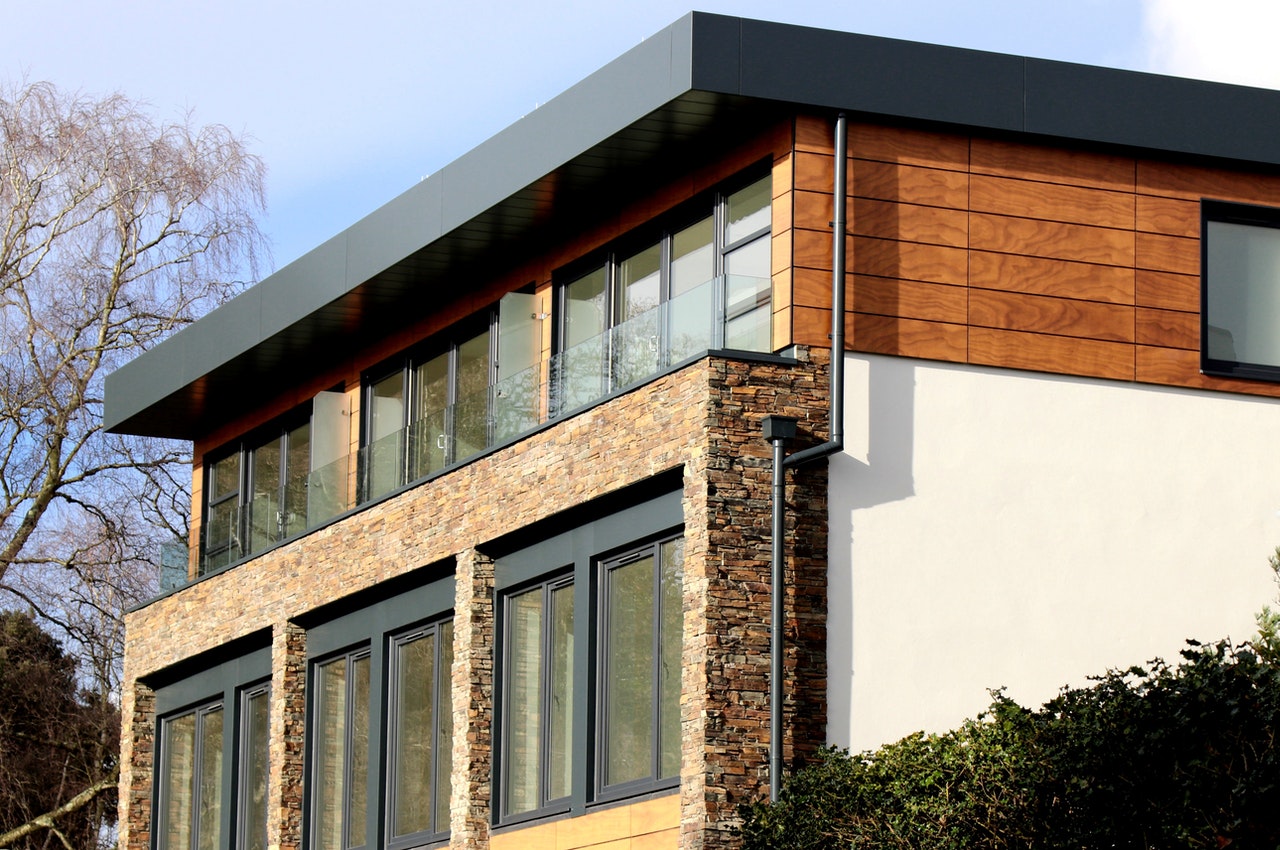
Figure 1: Cross-section of high-wall thickness 6063-T6 extruded profile showcasing corner sigma-weld interface.
When evaluated across global architectural criteria—including flexural modulus, thermal expansion coefficient, structural deflection limits, and maintenance requirements—6063-T6 aluminum outperforms alternative framing options:
| Material / Alloy | Yield Strength (MPa) | Tensile Strength (MPa) | Corrosion Resistance | Max Glass Load / Profile Area | Lifecycle Maintenance |
|---|---|---|---|---|---|
| 6063-T6 Aluminum | 170–190 MPa | 205–230 MPa | Outstanding (Class I Anodized / PVDF) | Exceptional (High Modulus/Weight Ratio) | Zero cyclical repainting; 50+ year lifespan |
| 6061-T6 Aluminum | 240–270 MPa | 290–310 MPa | Moderate (Rougher surface finish) | Very High (Industrial/Structural) | Requires heavy surface prep prior to finish |
| Unplasticized PVC (Vinyl) | 35–50 MPa | 40–60 MPa | Impervious to salt; Susceptible to UV degradation | Low (Requires steel reinforcement inserts) | Prone to thermal warping, sagging & embrittlement |
| Structural Carbon Steel | 250–350 MPa | 400–500 MPa | Poor (Requires constant galvanizing/paint upkeep) | Extremely High | High risk of rust bleeding and rust swelling |
| Solid Softwood / Hardwood | 20–40 MPa | 35–70 MPa | Vulnerable to rot, fungus & moisture swell | Moderate (Bulky frame profiles required) | High (Repainting/resealing every 3–5 years) |
A primary failure point in conventional aluminum window frames is the mechanical corner joint. Standard mass-produced windows join cut extrusions using internal cast-aluminum corner cleats, steel screws, and liquid sealants. Over years of operational cycling and wind-driven shear stress, mechanical fasteners loosen, sealants desiccate, and the frame wracks—creating moisture ingress points and air leaks.
At The Metal Window, every 6063-T6 frame member is joined using full-penetration Sigma Welding (Inert-Gas Shielded Arc Welding). This metallurgical fusion process creates a unbroken, monolithic aluminum connection at every corner and mullion junction. Welded corners distribute wind load stresses continuously across the perimeter, ensuring the frame remains permanently square, rigid, and air-tight for the life of the building.
Engineered for high-end residential estates, luxury multi-family developments, and demanding commercial elevations where structural sightlines cannot be compromised.
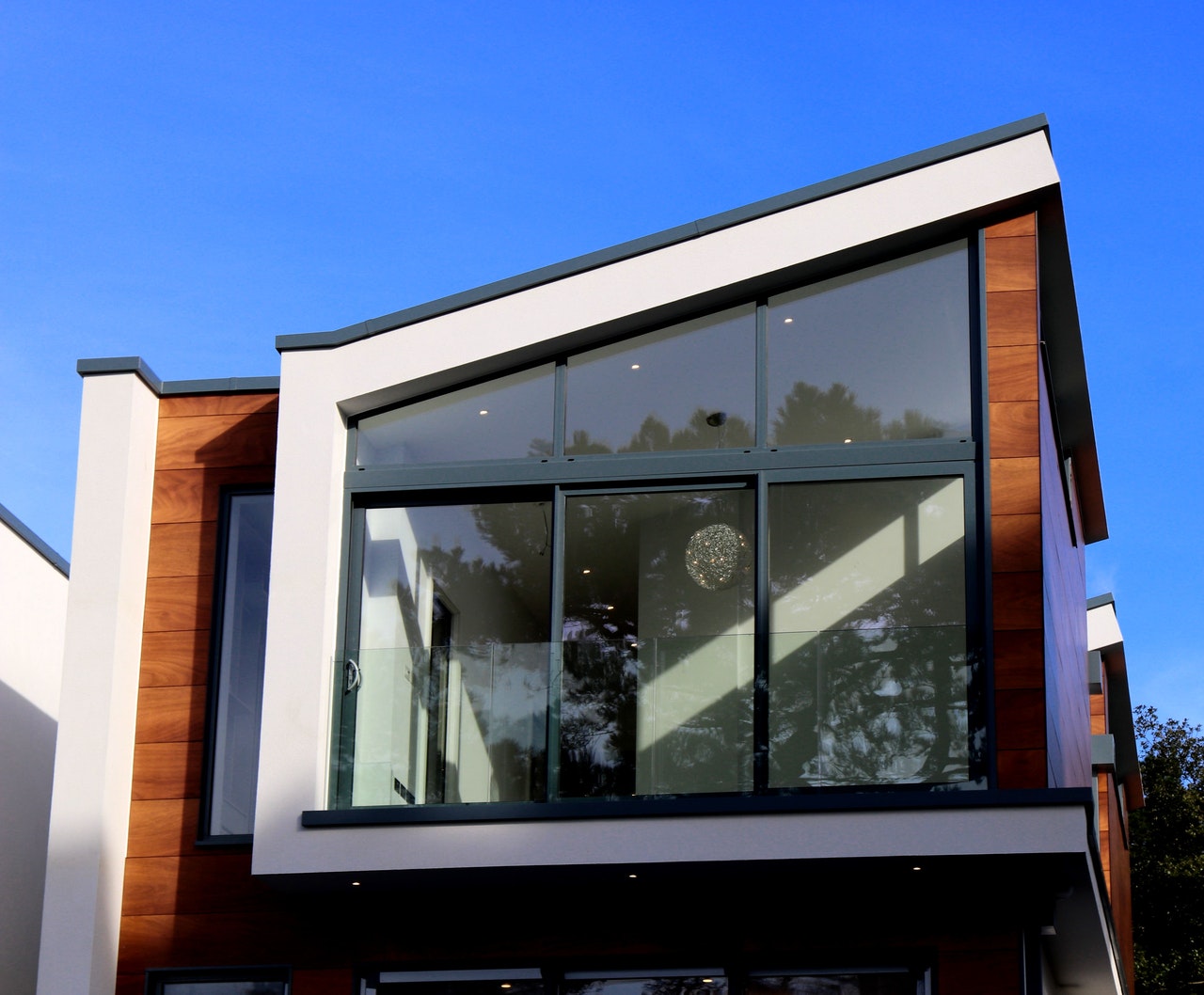
Custom-built casement, awning, hopper, and direct-set fixed window units utilizing heavy-wall 6063-T6 aluminum extrusions. Designed to support massive insulated glass units with minimal sightline interruption.
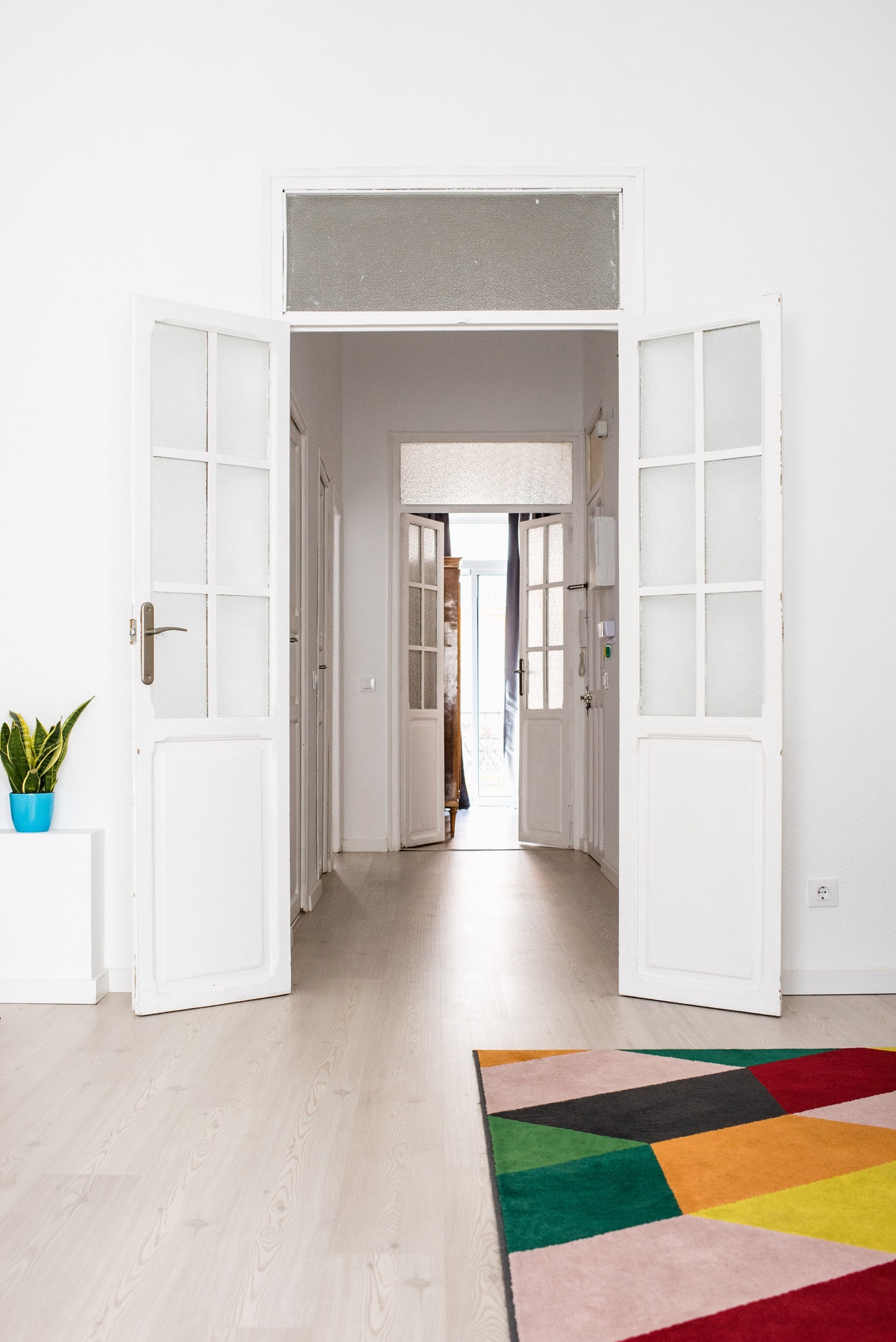
Heavy-duty structural aluminum sliding glass doors and wide-stile swinging doors built to withstand rigorous daily operation and high wind loads in coastal settings.
Heavy-duty stainless steel friction hinges, four-bar stay arms, and dual-arm rotary operators engineered to cycle 100,000+ times without sagging or misaligning.

Flat and long-leg aluminum screen channels with 16x18 mesh, held securely by UV-resistant vinyl splines and retained with traditional stainless screen clips.
Factory-glazed insulated glass packages featuring Low-E coatings, warm-edge spacers, and argon gas infills optimized for hot, cold, or coastal microclimates.
As global building standards evolve toward net-zero operational energy and reduced embodied carbon, fenestration specification criteria are undergoing rapid transformation. B2B purchasers, architects, and facade consultants must navigate five critical industry shifts over the coming decade:
Global procurement directives now mandate Environmental Product Declarations (EPDs). Specifying 6063-T6 frames produced via hydroelectric aluminum smelting lowers embodied carbon from the industry average of 16.5 kg CO₂e/kg down to under 4.0 kg CO₂e/kg, helping projects achieve high LEED v4.1 ratings and compliance with EU Carbon Border Adjustment Mechanisms (CBAM).
Standard poured-and-debridged thermal barriers are increasingly replaced by multi-cavity, glass-fiber reinforced Polyamide (PA66 GF25) struts. These structural thermal breaks allow 6063-T6 window systems to achieve Passive House performance metrics (U-factors ≤ 0.14 BTU/hr·ft²·°F) while retaining structural rigidity under differential solar heating.
Architects demand maximum daylighting with glass-to-frame ratios exceeding 92%. The high structural yield strength of 6063-T6 aluminum enables interlocker profiles as narrow as 3/4" (18mm) while maintaining structural deflection compliance under severe coastal wind loads (>50 PSF / 2400 Pa).
Next-generation fenestration combines 6063-T6 frames with 8.3mm thin Vacuum Insulated Glass units. Achieving thermal insulation equivalent to solid masonry walls ($R-12+$), this pairing requires custom-machined extrusion rebates to securely support VIG units without thermal bridging.
With extreme weather events increasing in frequency, international building codes require window assemblies to pass High-Velocity Hurricane Zone (HVHZ) large missile impact tests (ASTM E1886/E1996). 6063-T6 alloy combined with sigma-welded joints prevents structural frame distortion during 160+ mph wind gusts.
Unlike vinyl framing which degrades into toxic microplastics upon landfill disposal, 6063-T6 aluminum is 100% infinitely recyclable without property degradation. Over 75% of all aluminum ever produced remains in active use today, providing a closed-loop life cycle for sustainable building development.
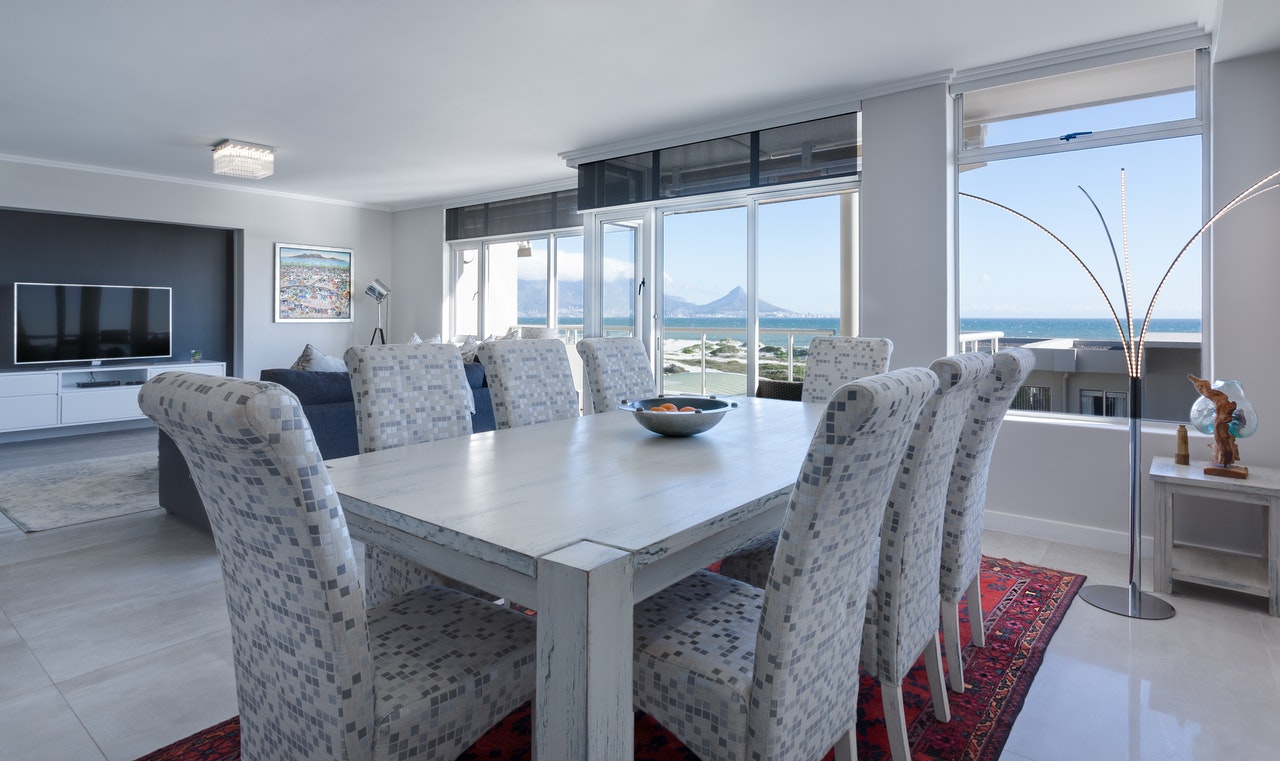
We are a true custom metal fabrication shop located in Southern California—not a re-seller or stock importer. For over 60 years, our team has cut, welded, finished, and glazed bespoke architectural metal fenestration.
In-depth technical answers addressing critical B2B inquiry intents regarding 6063-T6 aluminum window frame fabrication, performance standards, and international delivery.

In-depth technical guides written by our shop master craftspeople and structural engineers.
A rigorous engineering comparison between 6063-T6 extruded aluminum and hot-rolled carbon steel profiles in coastal atmospheric zones.
Read technical paper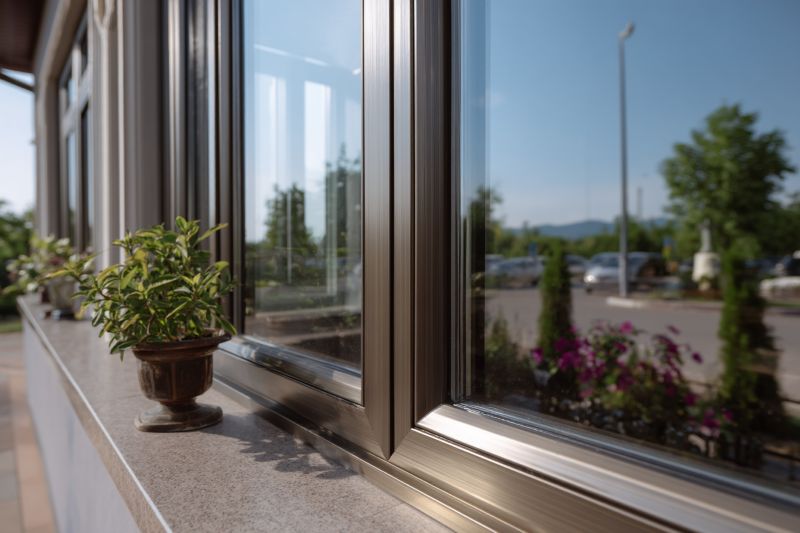
How to balance solar heat gain coefficient (SHGC), visible light transmittance (VLT), and acoustic STC ratings in custom metal fenestration.
Read technical paper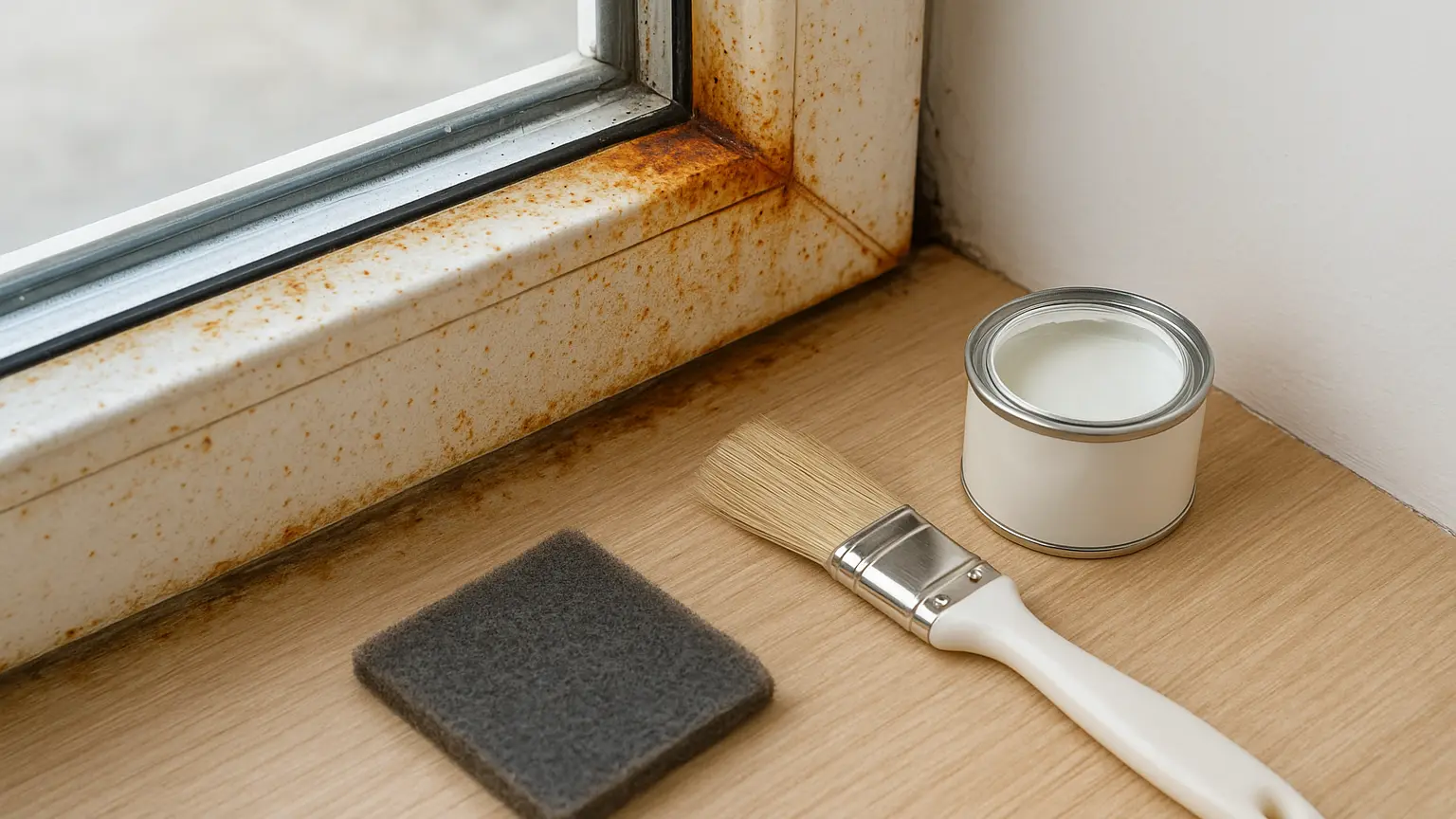
Preventing thermal bridging and interstitial condensation during rough-opening installation of architectural metal window frames.
Read technical paperDownload our technical product catalog, complete with architectural extrusion profile details, thermal break CAD details, and AAMA finish color charts.